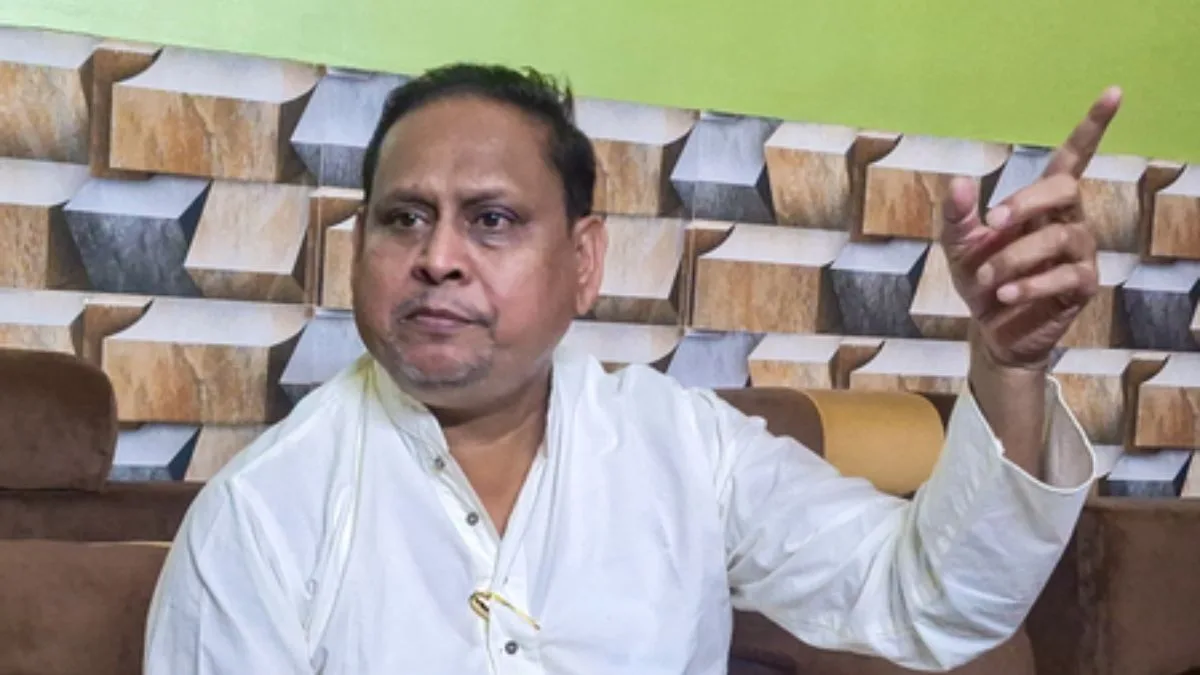
With the Left Front-ISF alliance for the 2026 Assembly elections now almost confirmed, fresh political ripples have emerged in West Bengal with Humayun Kabir, founder of the Janata Unnayan Party (JUP) and a sitting MLA, making a renewed pitch to the CPI-M.
Kabir has urged the party to walk out of the Left Front and instead forge a direct understanding with him and the Indian Secular Front (ISF). Kabir on Wednesday claimed that he has already sent a message to Mohammed Salim, the state secretary of the Communist Party of India (Marxist), expressing his willingness to contest the 2026 polls in alliance with the CPI-M and the ISF.
Advertisement
However, he made it clear that he is not agreeable to any arrangement involving the Left Front as a collective entity.
“I want the CPI-M and the ISF to fight together with us in 2026. But, I am not in favour of an alliance with the Left Front,” Kabir reportedly said, adding that he would wait until 7 March for a response from Salim.
Kabir’s outreach comes in the wake of the formalisation of the Left Front’s tie-up with the ISF for the 2026 elections. Though speculation over a possible alliance had been rife for months, confirmation came on Tuesday that the Left Front would once again partner with the ISF. Seat-sharing arrangements, however, are yet to be finalised. The development has revived memories of an earlier controversy involving Kabir and Salim. Ahead of the Lok Sabha polls, a meeting between the two had triggered sharp criticism within sections of the Left camp, particularly after Kabir was accused by political opponents of invoking the Babri Masjid issue during campaigning.
The meeting had not gone down well with a section of CPI-M leaders, some of whom alleged ideological deviation. Notably, the party headquarters at Alimuddin Street had refrained from describing the talks as “positive”.
Subsequently, Kabir himself had declared that he would not pursue an alliance with the Left. The CPI-M had then maintained silence on the matter. Meanwhile, the ISF, led by Nausad Siddique, had repeatedly written to the Left leadership seeking clarity on a pre-poll understanding. For long, the Left did not publicly commit, fuelling speculation over whether the alliance would materialise at all.
Kabir’s latest proposal, however, seeks to redraw the contours of the Opposition space by urging the CPI-M to distance itself from its long-standing Left Front partners, including the RSP and the Forward Bloc, and instead explore a new configuration.
Kabir’s call for the CPI-M to sever that historical arrangement adds a significant twist to the evolving pre-poll equations in the state.