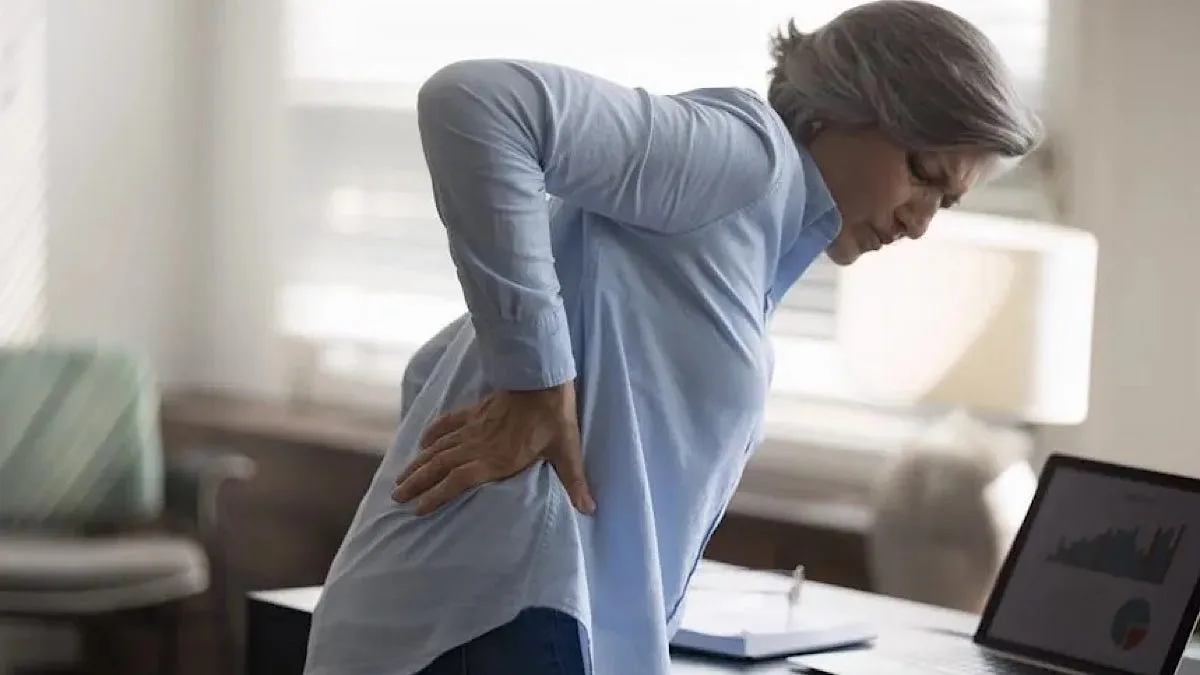
Joint pain has quietly become one of the most common health complaints of modern life. Knee pain, shoulder pain, tennis elbow, heel pain, hip stiffness—millions of people experience these problems every day. Most are told that it is due to ageing, arthritis, ‘wear and tear’ or irreversible damage, and that painkillers, injections, or surgery are the only solutions. But clinical experience tells a different story.
In a large number of people, joint and tendon pain does not actually start in the joint or tendon. It starts in tight, stiff muscles.
Advertisement
The missing link we ignore: Muscles
Our joints do not function in isolation. Every joint is moved, stabilised, and protected by muscles. When muscles are healthy and flexible, joints move smoothly and pain-free.
However, modern lifestyles have changed the way we use our bodies. Prolonged sitting, reduced physical activity, repetitive movements, poor posture, and chronic stress all cause muscles to become shortened and stiff over time.
Once this happens, problems begin. A stiff muscle keeps pulling continuously on the tendon that attaches it to the bone and the joint that it crosses. This constant pull creates abnormal stress—even during simple daily movements.
Why does tendon pain appear suddenly
Many people experience sharp pain during a small movement—lifting a cup, gripping a racket, climbing stairs, or taking the first steps in the morning. The movement seems trivial, but the pain is severe. The reason is simple. When a muscle is already tight, the tendon is under constant tension, thus there is no proper ‘resting phase’. A sudden movement then overloads the tendon.
This explains common conditions such as tennis elbow, caused by tight forearm muscles, Achilles tendon pain, caused by tight calf muscles, Plantar fasciitis, where tight calves pull on the heel, and shoulder tendon pain, caused by stiff chest and shoulder muscles.
In these cases, the tendon is not weak. The muscle has lost elasticity.
How tight muscles damage joints
The same mechanism affects joints. Tight muscles pull bones slightly out of their natural alignment. Over time, this causes uneven pressure on joint cartilage, increased compression and shear forces, and reduced joint movement and lubrication.
This is why young people develop knee pain despite normal X-rays, arthritis often affects one side of a joint more than the other, and hip stiffness often appears years before hip arthritis. Joint damage is not only about age. It is about how the joint is loaded every day.
Why stretching and muscle release work
Stretching, physiotherapy, yoga, and muscle-release techniques often provide dramatic relief because they address the root cause. They restore muscle length and elasticity, reduce constant pulling on tendons, improve joint alignment and movement, and increase blood flow and tissue healing.
Many patients experience significant pain relief without injections or surgery, simply by restoring normal movement.
Rethinking surgery and injections
Surgery and injections may be necessary in advanced cases. But when tight muscles are not corrected, pain often returns after treatment. Recovery is often slow, and other joints begin to hurt. Correcting muscle stiffness early can delay or completely prevent surgery in many people.
A shift in how we understand pain
Joint and tendon pain should not automatically be seen as ‘wear and tear.’ Very often, it is the body’s signal that movement has been lost and muscles have become rigid.
The solution is not always stronger medicines or more procedures. Sometimes, it is restoring what the body has quietly lost—flexibility, movement, and balance.
Muscles are not just engines of movement; they are protectors of joints and tendons. Ignoring muscle stiffness means treating symptoms without addressing causes. In an age where joint pain is becoming epidemic, a simple but powerful shift—from damage-focused treatment to movement-focused care—may help millions live pain-free, active lives for longer.
The writer works in musculoskeletal health and rehabilitation and studies the biomechanical causes of chronic joint and tendon pain.