Print or Digital?
Is Generation Z (or Gen Z) really out and out rejecting hardcopies of things, like books, and opting for the digital versions or softcopies? Do they even read the newspaper, far less in print?
Instead, Desai uses the mobile phone as a narrative doorway into the deeper patterns of Indian life—our families, aspirations, anxieties, and the invisible rules that govern how we behave, online and offline.




MEMES
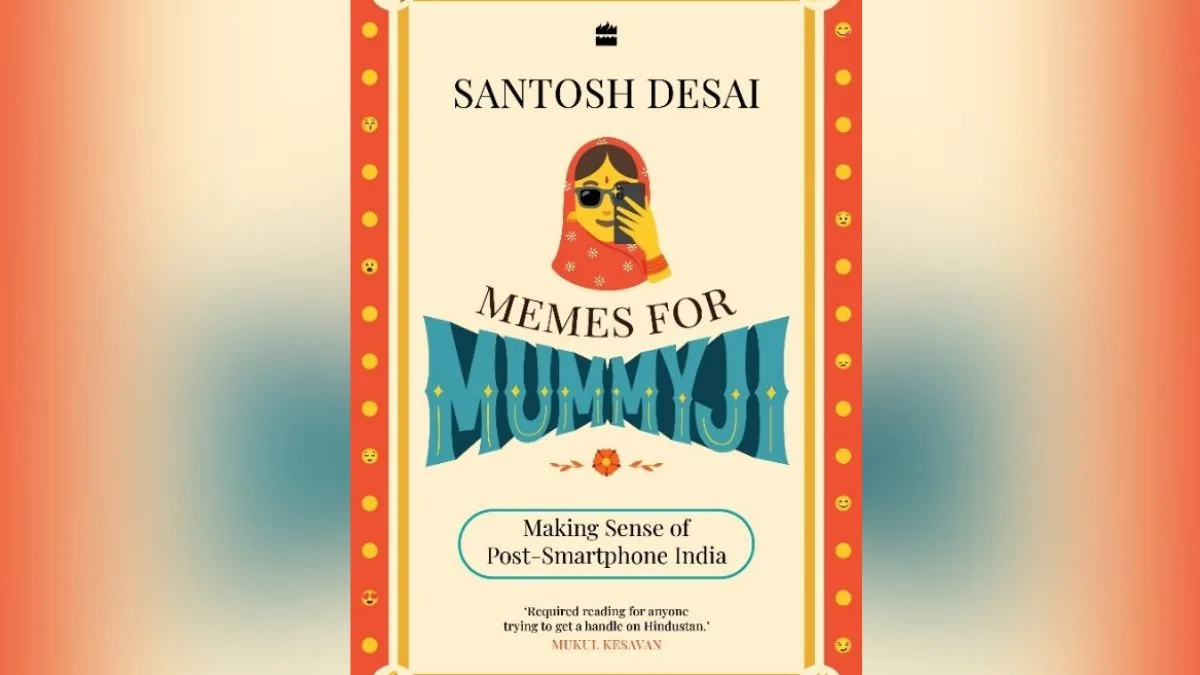
Columnist Santosh Desai, in his latest book “Memes for Mummyji”, offers a sharp yet affectionate portrait of an India quietly transformed by the smartphone. This is not a book obsessed with screens, apps, or algorithms.
Instead, Desai uses the mobile phone as a narrative doorway into the deeper patterns of Indian life—our families, aspirations, anxieties, and the invisible rules that govern how we behave, online and offline.
Advertisement
Written as a series of essays, the book reads like a long conversation with a keen observer who notices what most of us overlook. Desai suggests that smartphones did not radically change Indian society; they simply amplified its existing instincts. The digital world, he argues, is not a parallel universe but an extension of familiar social structures.
Advertisement
WhatsApp groups mirror joint families, Instagram reproduces hierarchies of beauty and success, and online marketplaces echo the hustle and intimacy of traditional bazaars.
What makes the book engaging is Desai’s ability to capture everyday moments with humour and insight. Whether he is describing a mother’s relentless forwarding of messages or unpacking how selfies double as tools of self-expression and self-surveillance, his writing consistently hits home. These observations are never cruel; they are laced with warmth, curiosity, and a gentle irony that invites recognition rather than judgment.
The book is particularly strong when examining the friction between tradition and change. Desai shows how age-old moral codes, family expectations, and social controls continue to operate even in supposedly liberating digital spaces.
The shift from streets to malls, and now to screens, raises questions about class, access, and belonging—issues that Desai explores with quiet provocation rather than loud conclusions.
That said, Memes for Mummyji does not aim to be a comprehensive sociological study. Its essay format means it avoids a single, sweeping argument, and its focus remains largely on urban, middle-class experiences. Readers looking for statistics or a deeper engagement with rural and marginal digital realities may find the treatment selective. Yet this selectiveness feels intentional; Desai is more interested in texture than theory.
Ultimately, the book succeeds because it understands that technology is only the surface story. Beneath it lie enduring habits, contradictions, and desires that define Indian life. With wit, clarity, and empathy, Desai captures a country learning to speak a new digital language while still thinking in its old cultural dialects. The result is a perceptive, entertaining, and deeply human account of India in the smartphone age.
Advertisement