Jammu and Kashmir: Army’s rescue operation in flood-hit Rajouri saves 11 civilians
Among the 11 rescued persons, five were children. They were stranded at different places in the flood-affected district following incessant rainfall.
Emphasising that India has consistently prioritised development and cooperation, the Army Chief said that state-backed terrorism leaves New Delhi with no option but to act.




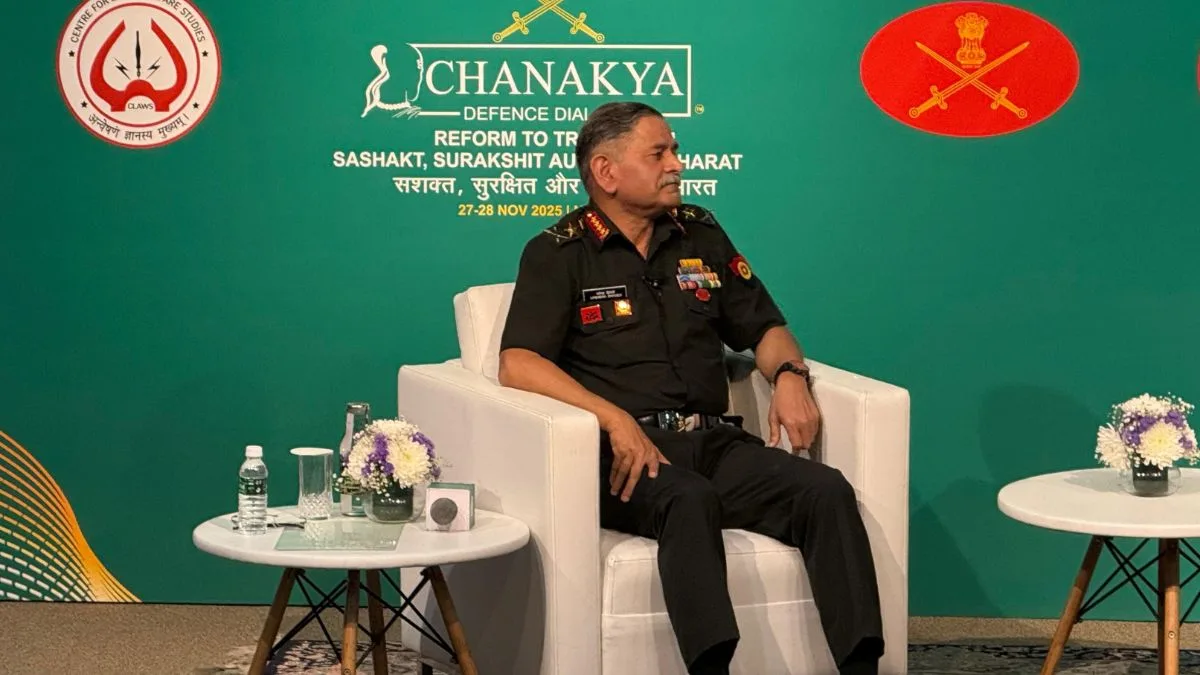
Photo: SNS
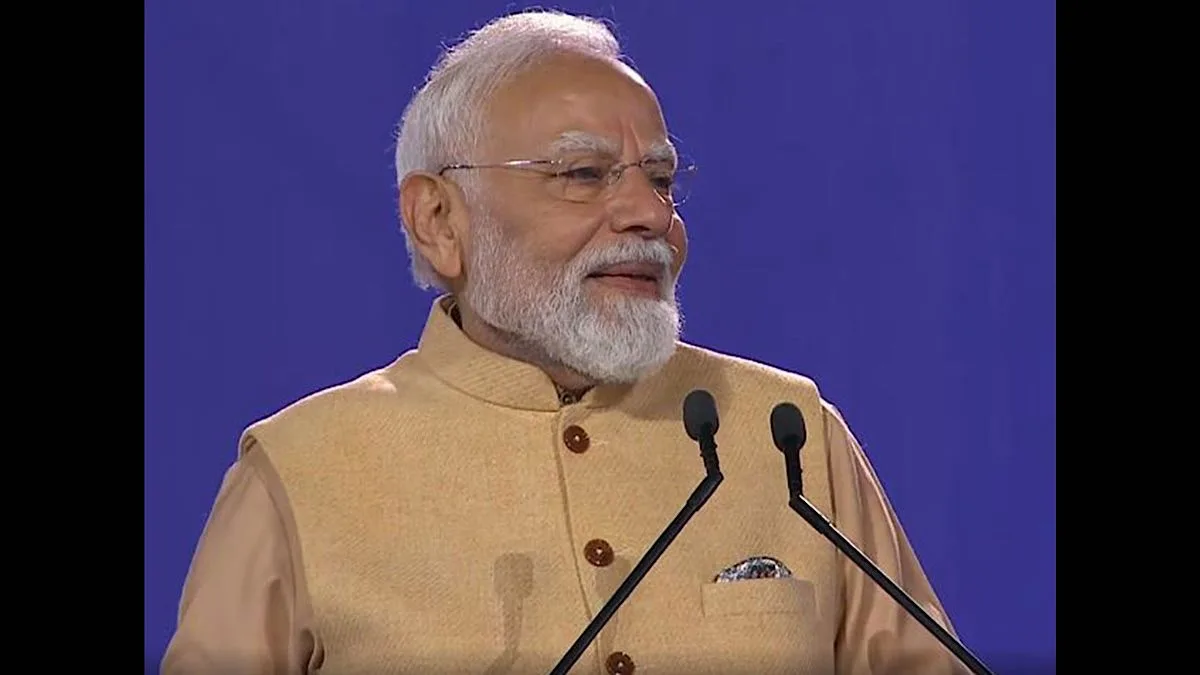
Issuing a blunt warning to Islamabad, Army Chief General Upender Dwivedi on Monday declared that India will respond decisively to anyone supporting terrorism. Without directly naming Pakistan, he remarked that even if the Army receives a bairang chitti (anonymous letter), it is enough for them to know “whom to respond to.”
Emphasising that India has consistently prioritised development and cooperation, the Army Chief said that state-backed terrorism leaves New Delhi with no option but to act.
Advertisement
“We are talking about progress. We are talking about moving forward together. So whatever obstacle comes in our way, we will have to deal with it. As far as the question of the new normal is concerned, we have said that water and blood cannot flow together. Talks and terrorism cannot go hand in hand.”
Advertisement
Urging Pakistan to choose peace, he added, “We are simply saying that you should adopt the path of peace. We will support it too. Until that happens, terrorists and their leaders will be treated equally by us.”
General Dwivedi stressed that India will not succumb to coercion of any kind. The COAS asserted that India is strong enough not to fear blackmail.
Calling Operation Sindoor just a trailer, he said, “The movie hasn’t even started. Only the trailer was shown. The trailer ended in 88 hours. So what will the future look like? We are fully prepared. And if someone in Pakistan gives us such an opportunity, then we would like to give them a full lesson on how a responsible nation should behave with its neighbours.”
Reflecting on lessons from Operation Sindoor, he said three priorities emerged: seamless coordination among the services, adequate supplies for long conflicts, and faster decision-making at every level.
“Whenever an operation takes place, we learn from it. This time too, we learned several things. One of the lessons was that we have very little time to make decisions, and those decisions must be taken on time at every level,” he said, adding that integration among the armed forces was essential. “Today’s battles are multi-domain. The Army alone cannot fight a battle—everyone has to fight together.”
“We also cannot predict how long a future battle will last. This time we fought for 88 hours; next time it could be four months or even four years. Looking at that, do we have enough supplies and weapons to fight? If not, then we must prepare,” he added.
On India’s border situation with China, the Army Chief said the past year has seen significant improvement. “There has been a lot of progress in the past year. From October 2024 until now, our relations have improved considerably. This happened because of extensive discussions between our political leaders. Both sides were convinced that the more normalcy we bring, the better it is for both countries.”
He also highlighted the transformation in Jammu and Kashmir since the abrogation of Article 370. With greater political clarity after 2019, he said institutions such as IITs, IIMs and colleges are expanding rapidly, and the number of schools has increased by 21 per cent.
General Dwivedi added that both terrorism and local recruitment into militant ranks have sharply declined.
“Positive changes are taking place in Jammu and Kashmir. Terrorism has fallen significantly. This time, around 31 militants have been neutralised, and about 71% of them were Pakistani terrorists. Recruitment occurred only once this year, and even that person was arrested. Stone pelting has stopped entirely. Attraction towards India is growing, and fascination with Pakistan is fading,” he said.
Advertisement