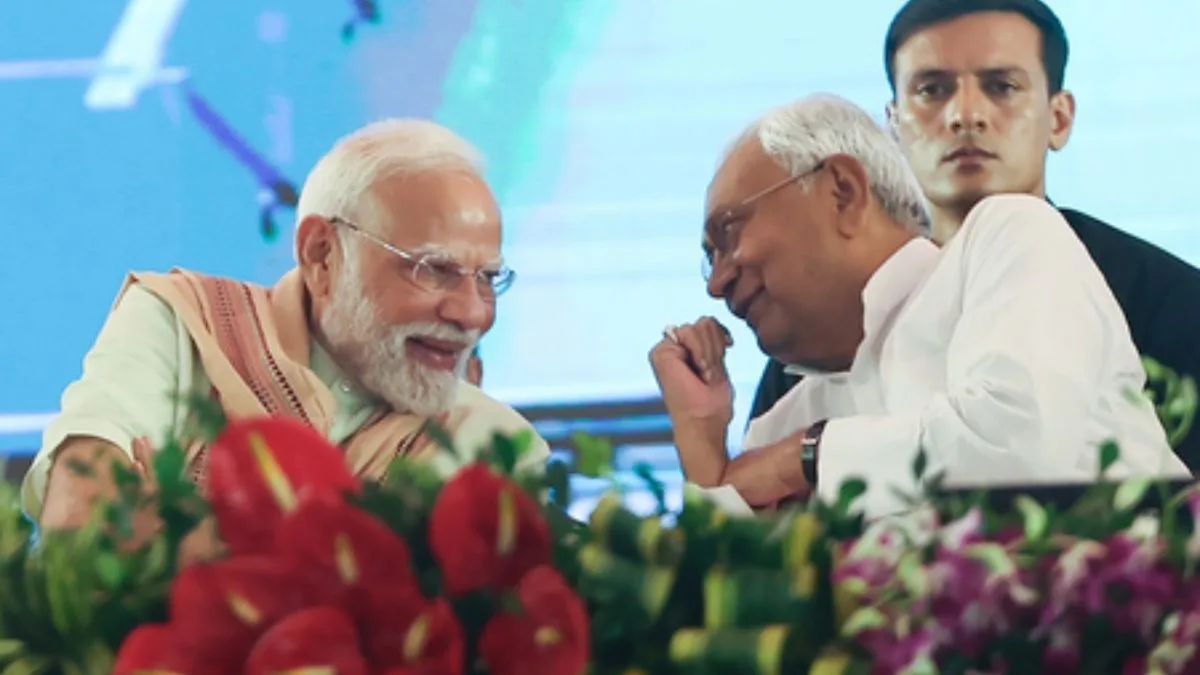
A cash dole of Rs 10,000 to women, allegedly from money meant for some other government project, is said to have powered the NDA clean sweep in Bihar. Sources say passing this benefit to women voters, “outside the official system,” played a more crucial role in the victory.
Basically, the Rs 10,000 strategy complemented Chief Minister Nitish Kumar’s reputation for women-centric policymaking, scripting the historic outcome in a state where the BJP had previously played runner-up. The fact is, in a closely contested election like the 2025 Bihar elections, both sides retained their original vote share, more or less.
Advertisement
The majority of NDA gains came from “others”—Independents and smaller parties, and those voting for them, particularly women, opted for the saffron side. According to the data, the RJD received 23 per cent vote share, surpassing not only its allies but also both major NDA constituents—BJP and JD(U).
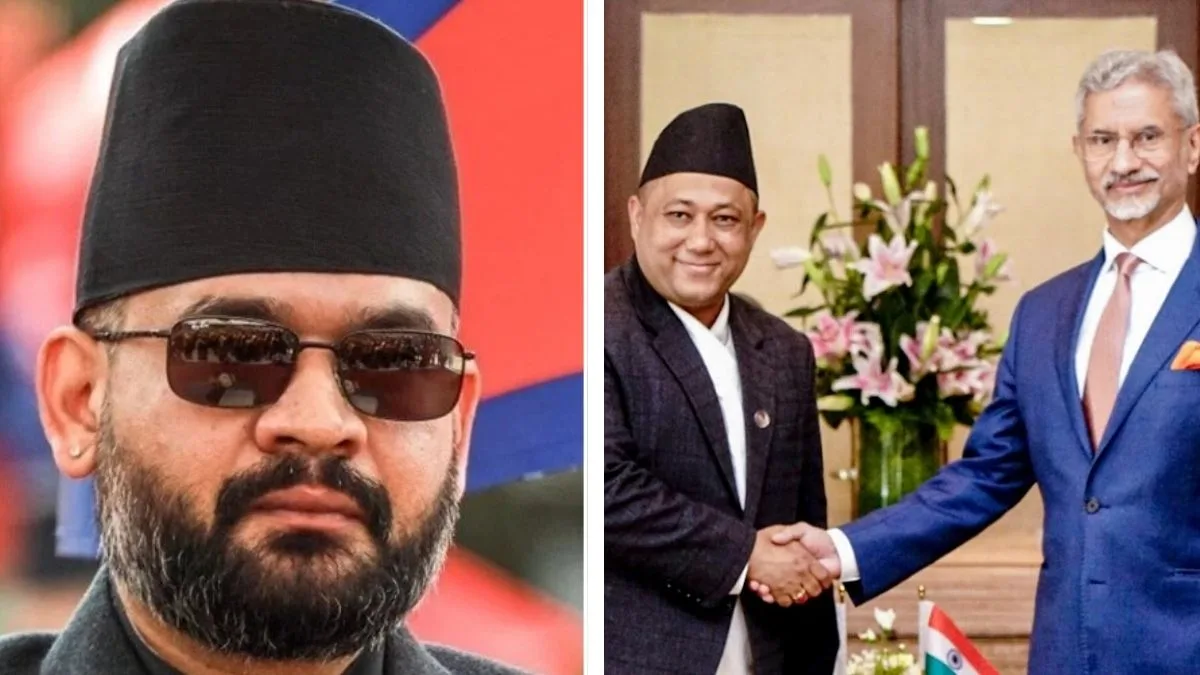
Jan Suraaj leader Pavan Verma on Sunday alleged that the Narendra Modi–led central government diverted World Bank–supported project funds to finance cash transfers in Bihar just before the Model Code of Conduct came into effect ahead of the election. He claimed that Rs 10,000 was sent to 1.25 crore women under the Mukhyamantri Mahila Rojgar Yojana just an hour before the Model Code of Conduct came into effect.
Verma argued this raised concerns because Bihar is financially strained, with public debt at Rs 4,06,000 crore and daily interest of Rs 63 crore. He said the party was informed (emphasising that information could be inaccurate), but Rs 21,000 crore meant for another project was used, with Rs 14,000 crore distributed as beneficiary payout right before the polls.
Noting that Bihar has 4 crore women voters, of whom 2.5 crore did not receive the benefit, he said the payout depended on the NDA’s return to power, influencing voting behaviour. Governments may legally justify fund reallocation after the fact, but during elections, such actions create an advantage that is almost impossible for other parties to counter, he told a news agency.
This is one real reason why women voters emerged as the defining force behind the BJP-led NDA’s sweeping victory—distribution of welfare benefits, including a cash transfer of Rs 10,000 to “Jeevika Didis” on the eve of the elections. There are around 1.5 crore ‘Jeevika Didis’, but the number of women who voted in these elections, and overwhelmingly so for the BJP-led NDA, was much more.
While Chief Minister Nitish Kumar has long been credited for building a pro-women governance model, sources indicate that BJP leaders at the grassroots level played an equally crucial role in ensuring that benefits reached women, “both within and outside the official system”.
According to sources, BJP’s managers on the ground ensured that gaps in welfare delivery were addressed, especially to women who had slipped through implementation cracks and then “benefit was passed out to whoever who said that she has not received the money, and even those who may not have got it at all through the official system”
While women-focused schemes gave the NDA a sharp electoral edge, their “timely disbursement” added to the advantage. The NDA provided tangible benefits, and Mahagathbandhan’s promises remained on paper — a case of delivery versus intention, a kind of bird in hand situation.