Best left in the drawer?
A government report that spends more than a decade in a drawer tells a story regardless of what is written on its pages.
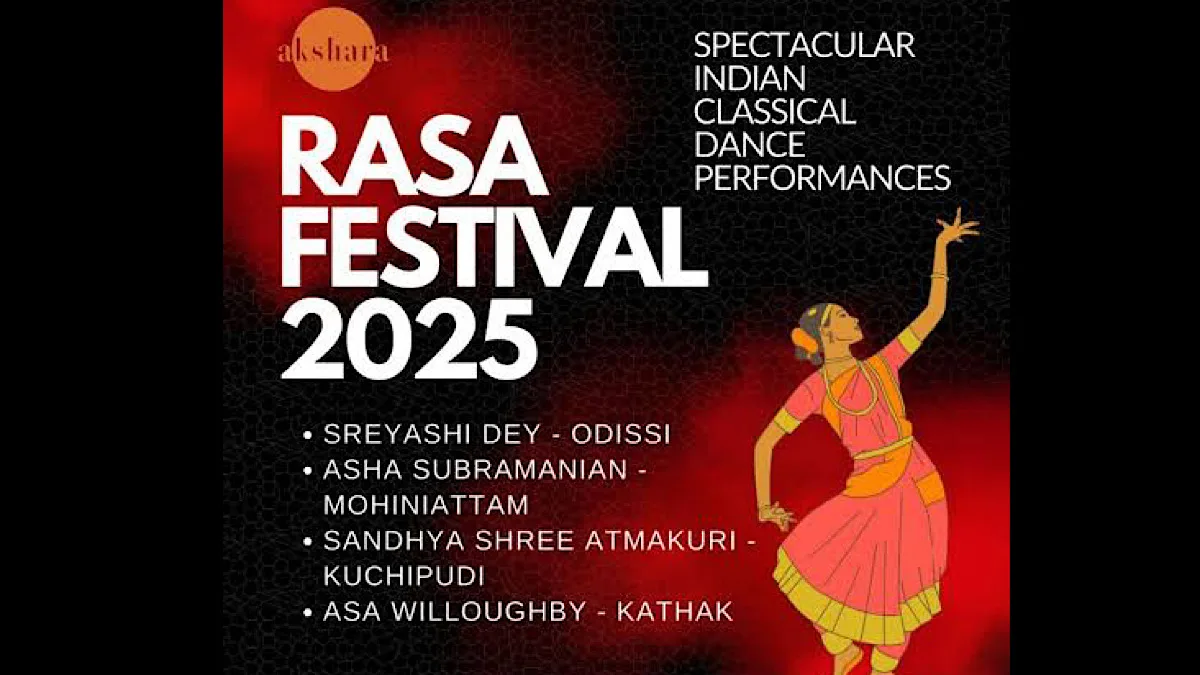
In Indian religious and cultural tradition, the Rasa Festival is a unique spiritual expression. It is a harmonious confluence of devotion, music, dance, and divine love. Originating in Vrindavan around the Maha Rasa, the festival spread across India.




Rasa Festival
In Indian religious and cultural tradition, the Rasa Festival is a unique spiritual expression. It is a harmonious confluence of devotion, music, dance, and divine love. Originating in Vrindavan around the Maha Rasa, the festival spread across India. In Bengal too, the Rasa Festival is now not merely a religious occasion but also a social and cultural celebration as explained by Netai Chandra Basu, sebait, Lake Kalibari, Kolkata.
Historical and Religious Background
Advertisement
The Maha Rasa is described in the tenth book of the Shrimad Bhagavata Purana. When Krishna played his flute under the moonlight of the autumn full moon night, the Gopis of Vrindavan abandoned worldly duties and responded to his divine call. That night, Krishna danced with each of the Gopis — a symbol of the union between the divine and the soul.
Advertisement
In Bengal, large-scale celebration of the Rasa Festival was first initiated by the devotees of Chaitanya Mahaprabhu. Later, it spread widely to places like Nabadwip, Shantipur, Joynagar, Manipur, Sylhet, and Natore, said Mr Basu.
Rituals and Practices
The Rasa Festival is usually celebrated on the full moon day of the month of Kartik. On this day, devotees perform worship of Lord Krishna’s image, accompanied by devotional songs (bhajans), kirtan, dance, illuminations, and fairs. In many parts of Bengal, Rasa Chakra (Rasa circle), Rasa Mancha (Rasa stage), and puppet plays are arranged to depict Krishna’s divine sports (lila). It is not merely a religious observance but a grand festival of folk culture.
Symbol of Divine Love
The love between Krishna and the Gopis is not physical but symbolic of the union between the soul and the Supreme Being. It represents that state of devotion where the individual self merges completely into the divine consciousness.
Reflection of Advaita Philosophy
Krishna’s simultaneous presence with every Gopi signifies the concept of one supreme reality manifesting in many forms — the essence of non-dualism (Advaita). The word Rasa itself means dance, rhythm, and movement. It reflects the dynamism, joy, and divine playfulness of existence.
Conclusion
The Rasa Festival is not confined to religious ritual alone; it is the essence of devotion, the ultimate truth of divine love, and a bridge between God and humanity. Its inner message is that God can be realized through joy, love, and self-forgetfulness.
Advertisement