The Goods and Services Tax (GST) reforms have infused at least Rs 2 trillion in the economy, thereby leaving more cash with the citizens, Union Finance Minister Nirmala Sitharaman said on Wednesday.
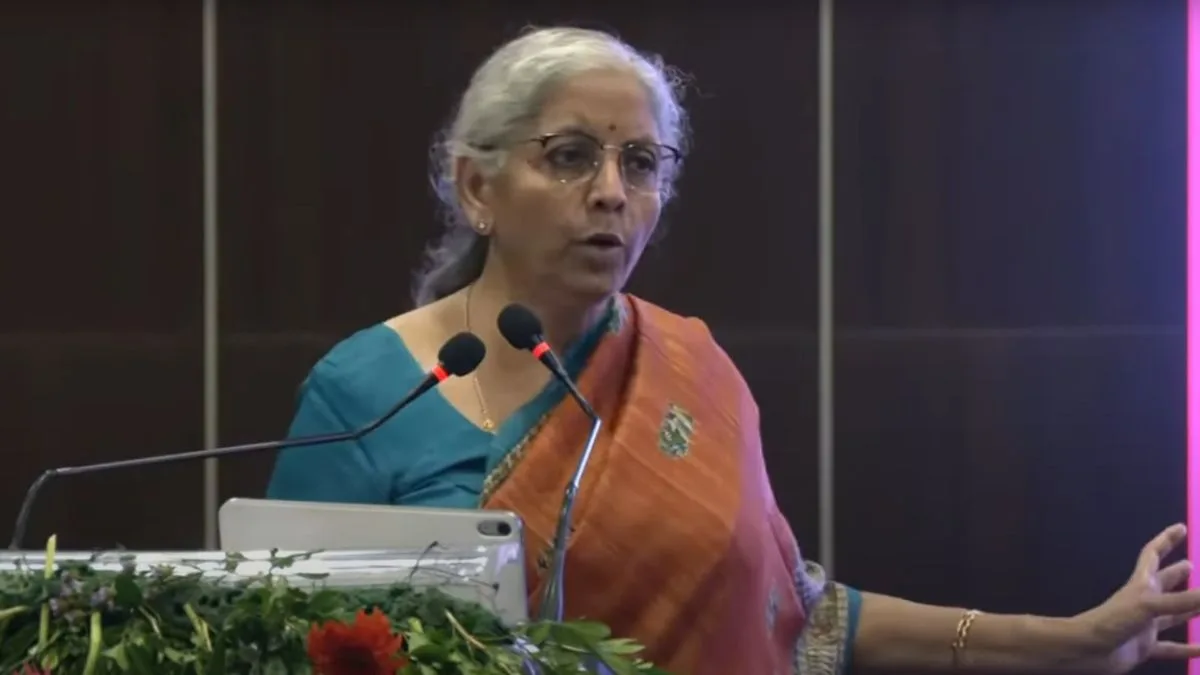
Speaking at the Outreach and Interaction Programme on next-gen GST reforms in Visakhapatnam, Sitharaman said, the reforms are a “big step for the Indian economy.”
Advertisement
The Finance Minister also said that following the tax reforms, 99% of goods under the 12% GST slab have moved to 5%. “The rejig has brought 90% of items in the 28% tax slab down to the 18% bracket.”
She added that several companies, including some FMCG giants, are voluntarily coming forward to give rate cuts and pass on the benefit to consumers even before September 22, the date of implementation for the new GST regime.
“With this next-gen tax regime, with only two slabs—5% and 18%—Rs 2 lakh crore will be injected into the economy. People will have more cash in hand,” she said.
Before undertaking the rate rejig, the NDA government applied five filters — reducing rates for the poor and middle class, fulfilling aspirations of the middle class, benefiting the farming community, pro-MSME, and sectors that are useful for the country in creating jobs and export potential, the Finance Minister added.
Sitharaman highlighted that the GST revenues grew to Rs 22.08 lakh crore in 2025 from Rs 7.19 lakh crore in 2018. “The taxpayer’s number grew to 1.51 crore from the earlier 65 lakh.”
The 56th GST Council announced that starting September 22, the GST tax slab structure will change, and the revised rates will be 5% for common use goods and 18% for everything else. The existing slab of 12 and 28% rates has been done away with.
In the revamped GST structure, most daily food and grocery items fall under the 5% GST slab, while bread, milk, and paneer attract no tax at all.