In a quiet Santhal village of eastern India, the story of 29-year-old Kunta Kisku has begun to inspire girls who once saw no future beyond low-paying, informal jobs. From working as a salesgirl to earning her place in an automobile workshop, she has emerged as a rare role model, showing how opportunity and determination can rewrite life’s script.
Kunta’s journey began in hardships. Her father, a daily-wage labourer, passed away early, and her mother took to domestic work to keep the family afloat. Kunta joined the workforce as a salesgirl, contributing to the household but yearning for a stable and dignified livelihood.
Advertisement
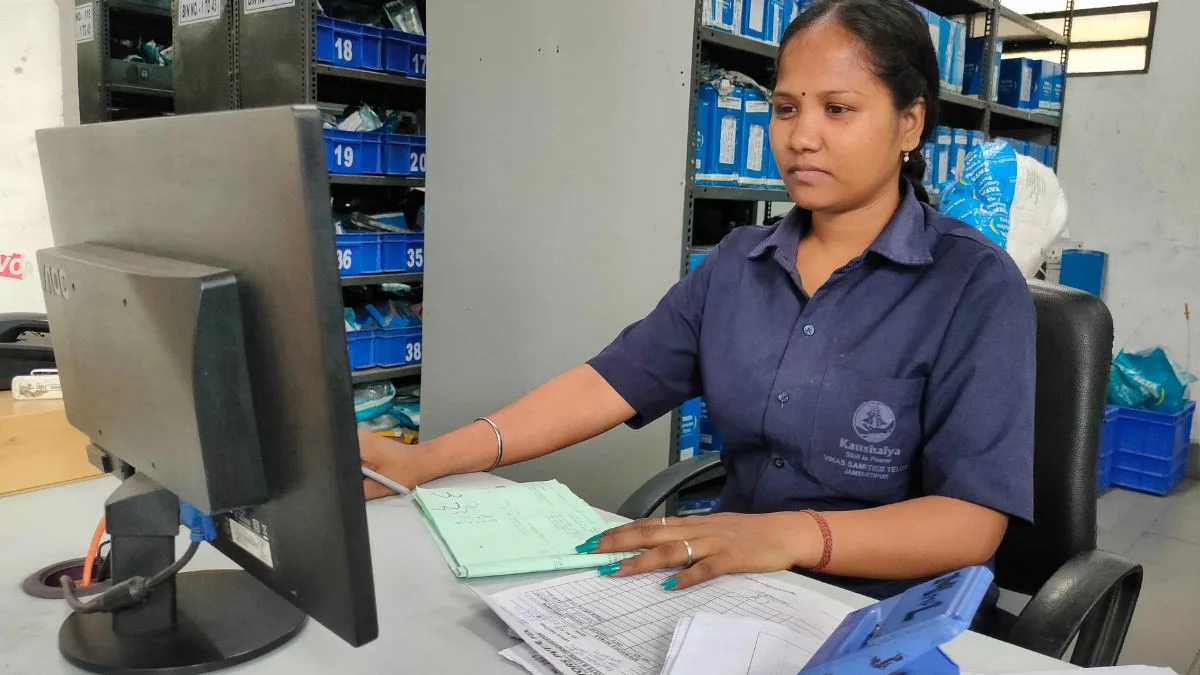
That chance came when she attended a Panchayat Bhawan meeting organised by Vikas Samities, a community society linked with Tata Motors’ outreach programmes. The Mechanical Motor Vehicle training course introduced there caught her attention. Despite scepticism from neighbours about a woman entering garage work, she enrolled.
The 50-day training became a turning point. She not only learnt technical skills but also discovered confidence and self-belief. After completing the programme, Kunta secured on-the-job training at a Tata Authorized Service Station. Today, she earns far more than she once did, but more importantly, she carries herself with pride.
“This training has changed my life,” she said. “I never imagined I could work in a garage and support my family. My dream is to keep learning and one day help train other girls like me.”
Kunta’s success is part of a wider shift in tribal Jharkhand, where traditional barriers are gradually giving way. For a community often trapped in cycles of subsistence labour, the sight of a young Santhal woman in overalls, repairing vehicles, challenges both economic and gender stereotypes.
CSR head at Tata Motors, Vinod Kulkarni, noted that her story reflects the company’s vision. “Through our community-based livelihood initiatives, we aim to equip women and youth from underserved backgrounds with the tools to build a better future. Kunta’s journey is one of resilience and progress,” he said.
Her story also intersects with the government’s skill development push, complementing the Skill India mission. For rural youth, especially women from tribal communities, such programmes create pathways out of informal labour into skilled careers.
As Kunta continues to work, save, and plan her future, her presence in the workshop stands as quiet proof that empowerment is not abstract policy but lived change. She now dreams of becoming a trainer herself, turning her own transformation into an inspiration for others