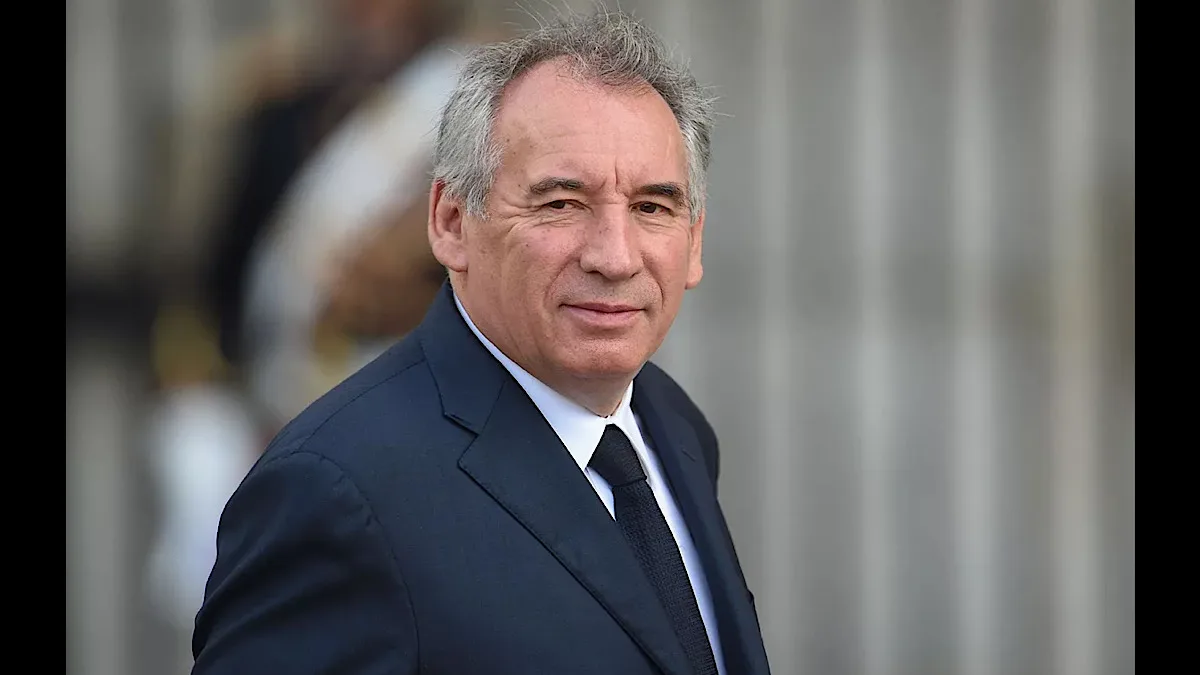
France has once again been thrown into political upheaval, with its Prime Minister brought down not by a scandal or a sudden shift in public mood, but by the arithmetic of parliamentary hostility. The removal of François Bayrou, after less than a year in office, highlights a deeper dysfunction in the Fifth Republic: the inability of successive governments to forge durable majorities, even on existential issues like national debt. Mr Bayrou’s downfall was dramatic, but also strangely inevitable. By calling a confidence vote over fiscal restraint, he gambled not just with his own career but with the credibility of President Emmanuel Macron’s embattled second term.
His warnings of unsustainable liabilities ~ France’s €3.4 trillion debt and the ballooning cost of servicing it ~ were substantive. Yet in the theatre of French politics, substance rarely outshines symbolism. To left and right alike, the debate was not about numbers but about striking a blow against Macronism. The opposition’s unity of purpose was tactical rather than ideological. The hard right sought to weaken Mr Macron’s hold and press its nationalist agenda. The left viewed Mr Bayrou’s austerity as an attack on welfare and pensions, already sore points after the retirement age was pushed to 64.
Advertisement
The confidence vote became a proxy battlefield for grievances that stretch far beyond fiscal policy. In such conditions, Mr Bayrou’s technocratic appeal to intergenerational fairness ~ warning of young people condemned to “slavery” under debt ~ was always going to be drowned out by partisan jeers. For Mr Macron, the crisis is both personal and structural. Five prime ministers in less than two years is not simply bad luck; it reflects the hollowing of the political centre.
The President once promised to transcend France’s old partisan divide. Instead, his project has left him isolated, with little capacity to build coalitions on either side. Turning to the left risks surrendering his pro-business legacy. Sticking with his camp risks further stalemate. Dissolving parliament, meanwhile, would hand momentum to parties that thrive on discontent rather than governance. Beyond the Palais Bourbon, public patience is thin. Cost of living pressures, insecurity, and immigration dominate everyday concerns, while debt sustainability feels like an elite preoccupation. Movements promising to “block everything” capture a mood of obstruction more than renewal.
The likely wave of strikes and boycotts this autumn will only deepen the sense of drift. And yet the structural challenge remains: France cannot indefinitely postpone grappling with its fiscal trajectory, especially as defence commitments rise and the politics of welfare harden. Mr Bayrou’s exit removes the messenger, not the message. Whoever succeeds him will face the same arithmetic of debt and division, the same contradictions of a republic where presidential authority collides with parliamentary fragmentation.
The crisis therefore is not merely about a fallen prime minister but about whether France’s institutions can still deliver stability in an age of fragmentation. Without a new basis of consensus, the revolving door at Matignon may keep spinning, while the debt ~ and the disenchantment ~ only grow heavier.