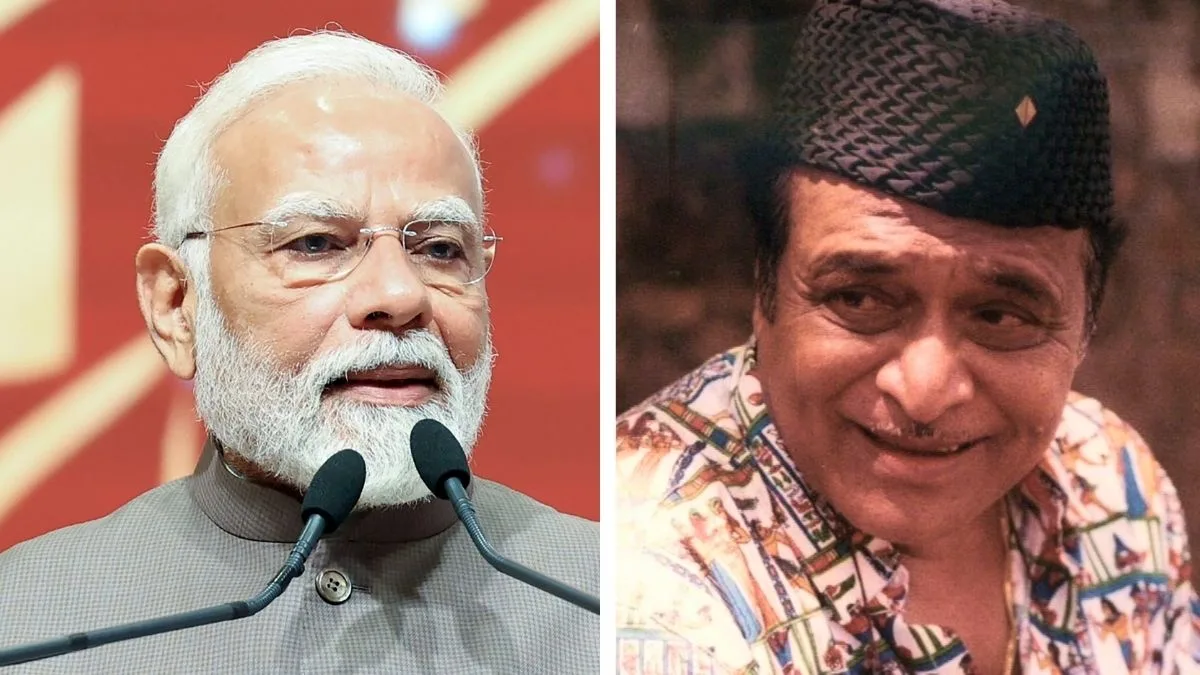
PM Modi pays tribute to Bhupen Hazarika: On September 8, 1926, a music icon was born in Tinsukia district of Assam, a man whose voice would later resonate far beyond the geographical boundaries of his native state. Bhupen Hazarika, lovingly known as the “Bard of Brahmaputra” and “Sudhakantha” (the Nightingale), etched a remarkable journey as a musician, singer, composer, poet, and cultural envoy of Assam.
On what would have been his 99th birthday this year, Prime Minister Narendra Modi honored the legend of the musician, recalling Bhupen Hazarika as someone more than a musician. In a blog entry, he called him a voice that “flowed like a timeless river”.
Advertisement
“Bhupen Da gave us something more than music,” PM Modi posted, with the endearing name by which people of Assam and fans all over India still recall him. “His songs had messages of generosity, social justice, harmony, and a strong sense of belonging. He was the heartbeat of the people, not a voice in the air.”
Hazarika’s work had strong roots in the cultural ground of Assam. From the folk songs and oral culture to the narratives of the local society, his childhood was full of experiences that formed his artistic vision. These shepherded into him the basis of his work, enabling him to convey the ethos of Assam to the global world.
“Despite going around the world and rubbing shoulders with personalities from all walks of life, Bhupen Da remained rooted in his origins,” PM Modi pointed out, emphasizing how the singer personified the soul of his native land.
Apart from music, Hazarika was also a beacon of India’s unity in diversity. PM Modi pointed out that the life of Hazarika portrayed the spirit of “Ek Bharat, Shreshtha Bharat.” He wrote songs and scores in Assamese, Bengali, and Hindi, connecting cultural and linguistic barriers.
Through his artwork, Assam was made both heard and seen by the rest of India, contributing to the cultural identity of contemporary Assam for those at home and the Assamese diaspora across the globe.
The Prime Minister also remembered the emotional toll of Hazarika’s death in 2011. “I was watching television and saw how lakhs of people gathered at his funeral,” he said. “There was a tear in every eye that day. Even death, as with life, united people.”
PM Modi highlighted the long-lasting lessons from Hazarika’s life. “He taught us kindness, compassion, and bravery,” he wrote. “His songs remind us to respect our rivers, our workers, our tea community, our women, and our youth. They instill solidarity and revel in the diversity that makes India strong.”
This year, the centenary celebrations commenced formally on September 8 at Dr Bhupen Hazarika Samannoy Tirtha in Jalukbari, Assam. The event saw the presence of Assam Governor Lakshman Prasad Acharya, Chief Minister Himanta Biswa Sarma, and Cultural Affairs Minister Bimal Borah. These events will go on year-round.
Even years after he is dead, Hazarika’s music still inspires and speaks to people. Songs such as “Bistirno Parore,” “Manuhe Manuhor Babe,” and many more are still sung, replayed, and celebrated in classrooms, concert halls, and homes.