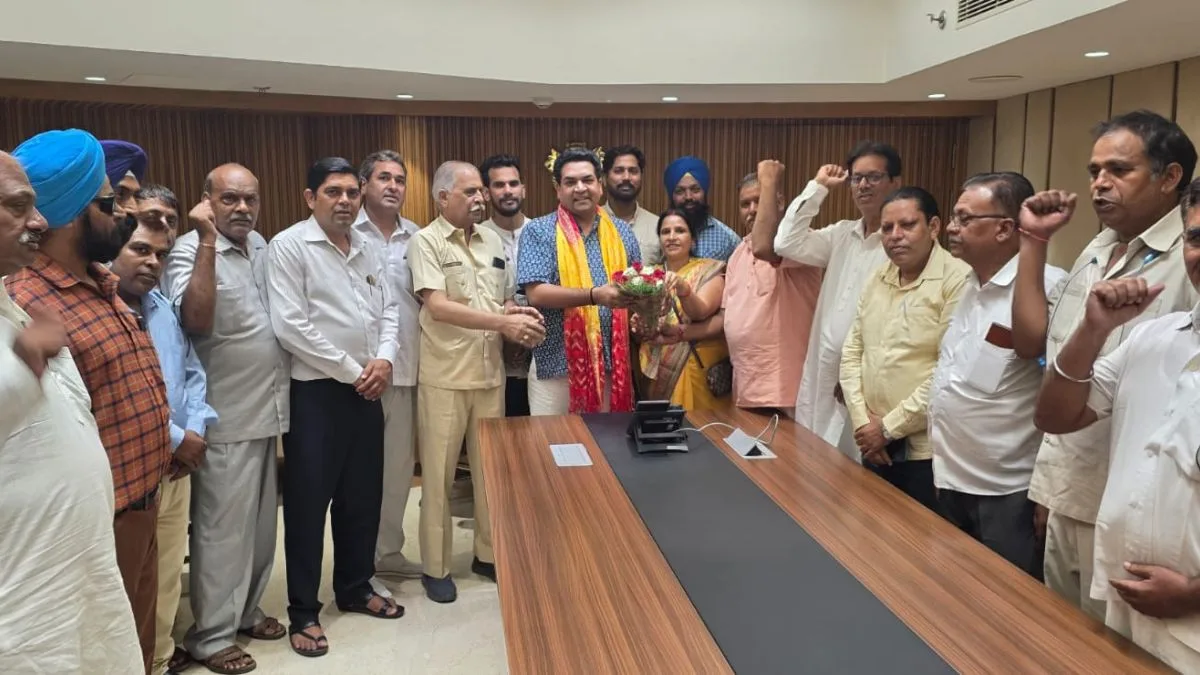
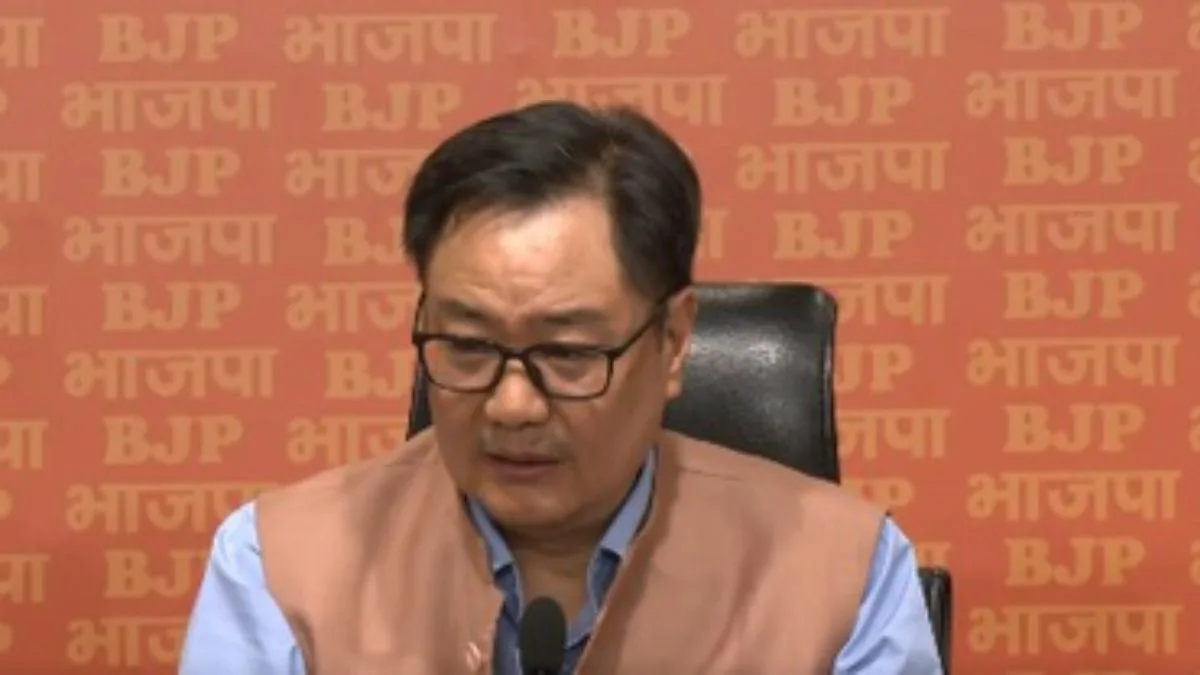
Representatives from Banjara, Gadia, Nat, Sikh Ligar, Manihar, Luhana, Gihara, Sansi, Kalandar, Kalbeliya, Sapera, and Jogi communities participated in the meeting with the Delhi minister for Art, Culture & Languages Kapil Mishra and raised demands for the establishment of a “Nomadic Development Board” in the national capital, and to mention DNT (Denotified Tribes) in caste certificates.
Mishra on Thursday met representatives of these “Vimukt” and semi-nomadic communities at secretariat in connection with the preparations for the upcoming “Vimukt and Semi-Nomadic Community Day” to be observed on 31 August.
Advertisement
Mishra has said that these communities have always been a proud part of the country’s history and culture, and their traditions, struggles, and way of life give a unique identity to Indian society.
He said that it is a responsibility to ensure that these communities receive their rights, respect, and opportunities in full measure.
Further assuring the representatives, Mishra added, “For the ‘Vimukt and Semi-Nomadic Community Day’ to be celebrated on 31 August, the Delhi Government will actively support the entire celebration and organize a grand programme.”
The government will stand with every effort to showcase the contribution of these communities in the events and to carry forward their traditions to the younger generations, he added.
It was during the British colonial period, these communities were subjected to the “Black Law” (Criminal Tribes Act), under which they suffered decades of injustice and discrimination.
They were branded as criminals, stripping them of freedom and dignity, and it was after a long struggle and movement, on 31 August 1952, they attained freedom and were accorded the status of “Vimukt” (liberated).
Since then, this day has been celebrated as a festival of dignity and identity for these communities.
On the upcoming 31 August, cultural performances, exhibitions, and seminars will be organized to mark the liberation day for these communities, and through these events, the art, culture, attire, and traditions of the community will be showcased.