The Strait of Hormuz may reopen later this week after US President Donald Trump said Washington and Tehran had completed a peace deal that would lift the US naval blockade and allow oil traffic to resume through the strategic waterway.
The agreement, expected to be signed on June 19 in Switzerland, comes after months of conflict in West Asia and international concern over disruption to one of the world’s most important maritime energy routes. Iran, however, has made it clear that the next phase of negotiations will depend on whether the United States fulfils its initial commitments.
Advertisement
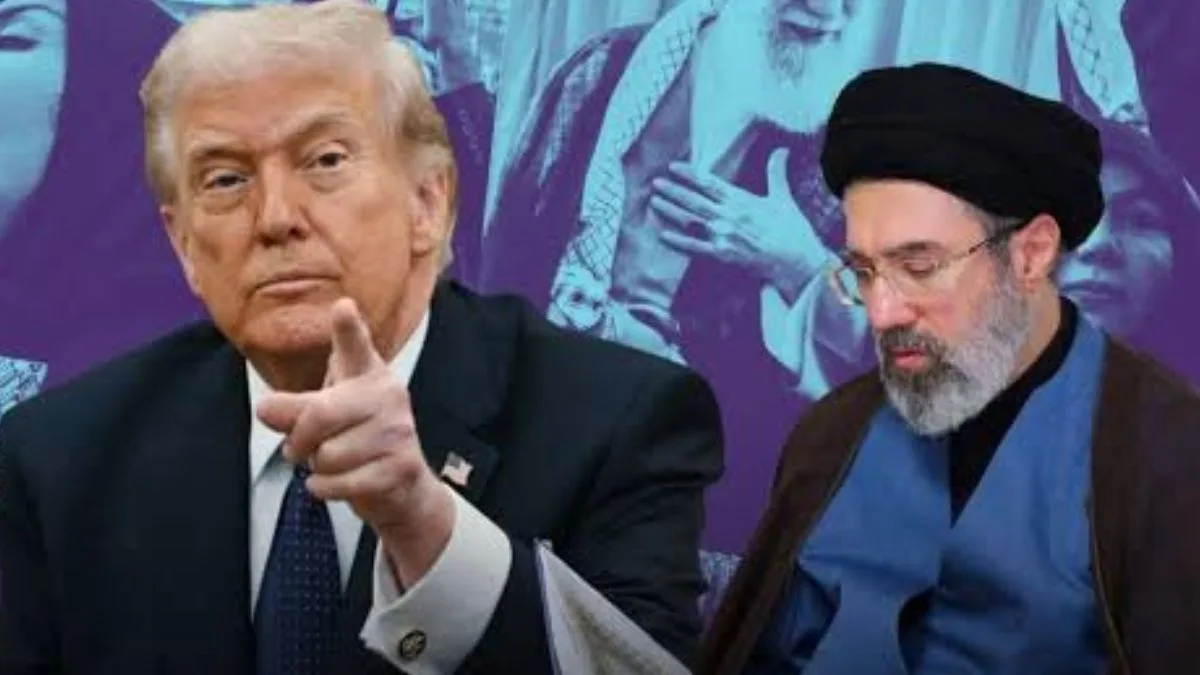
Trump announced the deal on Truth Social, saying, “The Deal with the Islamic Republic of Iran is now complete. Congratulations to all!”
He said he had authorised the “toll free opening” of the Strait of Hormuz and the “immediate removal” of the US naval blockade.
“Ships of the World, start your engines. Let the oil flow!” Trump wrote.
Iran links next talks to US commitments
Iran’s Deputy Foreign Minister for Legal and International Affairs Kazem Gharibabadi confirmed the agreement and said the finalised draft of a peace memorandum of understanding would be signed in Switzerland on June 19.
According to Iran’s state-affiliated Press TV, Gharibabadi said Tehran would enter a proposed 60-day negotiation period only after verifying US commitments on ending hostilities, lifting the blockade and releasing Iranian assets.
“Entering into 60 days of negotiations is conditional upon the fulfilment of these commitments by the United States,” he said.
He also said the text of the memorandum would be made public after the official signing.
“This memorandum of understanding does not mean trusting the enemy,” Gharibabadi said, according to Al Jazeera. “We will monitor the implementation of US commitments.”
Iran’s state-run IRIB TV reported that the 60-day talks would focus on Iran’s nuclear programme and the removal of sanctions.
Trump calls agreement historic
In a second post, Trump described the deal as a major diplomatic achievement and claimed it would bring peace and security to the region.
“This Great Deal will bring Peace and Security to the whole Region,” he wrote.
“Many presidents have tried to make Peace with Iran, and all have failed before me. The Leaders of the Region have, for the first time, found a President who can help them achieve real Peace,” he added.
Trump said the reopening of the Strait would take place after the signing of the deal on Friday and linked it to mine removal.
“With the opening of the Strait upon the signing of the Deal on Friday, for purposes of mine removal, oil will flow on both ends again for the Region, and the World!” he said.
The White House did not immediately release the official text of the agreement.
Pakistan says both sides agreed to end military operations
Pakistan Prime Minister Shehbaz Sharif said the agreement followed intensive negotiations and that both sides had agreed to the “immediate and permanent termination of military operations on all fronts, including in Lebanon.”
Sharif said the signing ceremony would take place in Switzerland on June 19.
He thanked Qatar, Saudi Arabia and Turkiye for their role in the mediation process and said pre-implementation meetings would be held this week before the formal signing.
UN, world leaders welcome deal
UN Secretary-General Antonio Guterres welcomed the announcement, calling it “a critical step towards the peaceful settlement of the conflict,” according to his spokesperson Stephane Dujarric.
The UN chief also appreciated the role played by Pakistan, Qatar, Egypt, Saudi Arabia, Turkiye and other regional countries in supporting the negotiations.
Qatar Prime Minister Sheikh Mohammed bin Abdulrahman bin Jassim Al Thani welcomed the memorandum and said Doha looked forward to future talks being held in a “positive and constructive spirit.”
Turkish President Recep Tayyip Erdogan called the agreement “an important development for establishing peace and tranquillity” in the region.
UK Prime Minister Keir Starmer described it as “a hugely important step forward in ending the war, ensuring regional stability and re-opening the Strait of Hormuz.” He also said Iran must never obtain a nuclear weapon.
German Chancellor Friedrich Merz called the agreement a diplomatic breakthrough, while French President Emmanuel Macron urged the “urgent and unconditional reopening” of the Strait of Hormuz.
Macron also said the agreement should lead to wider negotiations on Iran’s nuclear and ballistic programmes and regional security concerns.
Israel signals reservation over Lebanon clause
The deal drew a note of caution from Israel. Israel’s Ma’ariv news site, citing Israeli sources, reported that Prime Minister Benjamin Netanyahu told Trump that Israel did not consider itself bound by the Lebanon clause in the US-Iran agreement.
The development came after fresh tensions over Israeli strikes in Beirut. Trump told Axios the strikes had delayed the signing by a few hours and said they had complicated diplomatic efforts.
The agreement now moves toward the formal signing in Switzerland, where the reopening of the Strait of Hormuz, lifting of the blockade and the next phase of negotiations are expected to be set out.