Indirect negotiations between the United States and Iran have registered fresh momentum after mediators from Qatar and Pakistan reported “positive progress” during separate meetings with both sides in Doha. The parties have agreed to resume discussions after the funeral ceremonies for Iran’s former Supreme Leader Ali Khamenei.
The latest round of diplomacy suggests that efforts to preserve the understanding reached under the 14-point Islamabad Memorandum of Understanding (MoU) remain on track despite continuing disagreements over sanctions, nuclear inspections and regional security. While Washington has expressed optimism over the talks, Tehran has reiterated that it will not compromise on issues it considers matters of sovereignty.
Advertisement
Qatar says talks will resume after funeral ceremonies
Majed Al Ansari, adviser to Qatar’s prime minister and official spokesperson for the Foreign Ministry, said separate meetings with American and Iranian negotiators concluded in Doha with positive movement on issues linked to the Islamabad MoU.
According to Al Ansari, the discussions built on the outcomes of the Lake Lucerne Summit, and both sides agreed to continue negotiations at the earliest opportunity after the funeral processions for former Supreme Leader Ali Khamenei.
Qatar & Pakistan mediators concluded separate meetings with the US & Iranian negotiators in Doha today, with positive progress made on issues related to the Islamabad Memorandum of Understanding, building on the outcomes of the Lake Lucerne Summit. The parties agreed to continue…
— د. ماجد محمد الأنصاري Dr. Majed Al Ansari (@majedalansari) July 1, 2026
Iran’s Deputy Foreign Minister for Legal and International Affairs Kazem Gharibabadi said Tehran raised concerns over what it described as Washington’s failure to fulfil commitments related to Lebanon during the Doha discussions.
He also said Iranian and Qatari officials reviewed arrangements for using part of the initially frozen USD 6 billion in Iranian funds to procure essential goods for the country.
“In the meetings with Qatari officials, the issues related to the expenditure of part of the initial USD 6 billion were reviewed, and it was agreed that, based on the announced needs, the purchase of required goods will be carried out and placed at Iran’s disposal,” said Gharibabadi.
Tehran rejects IAEA access to bombed nuclear facilities
As diplomatic engagement continued, Iranian Parliament Speaker Mohammad Bagher Ghalibaf ruled out allowing inspectors from the International Atomic Energy Agency (IAEA) to visit nuclear facilities damaged during the conflict.
“Talk of IAEA inspectors’ access to bombed sites is false,” Ghalibaf said during an interview with Iranian state television.
He said legislation passed by Parliament and the Supreme National Security Council prohibits access to damaged facilities under any circumstances.
According to Ghalibaf, IAEA inspectors currently have access only to the Bushehr nuclear power plant and the Tehran research reactor.
He also defended his participation in negotiations held in Switzerland, saying they accelerated the release of Iranian assets and the suspension of sanctions while helping secure previously agreed conditions.
Pezeshkian defends diplomacy amid domestic criticism
Iranian President Masoud Pezeshkian rejected criticism from hardline factions over the government’s indirect engagement with Washington.
He said every diplomatic step had been taken within Iran’s established decision-making framework and under the guidance of Supreme Leader Mojtaba Khamenei.
“If the leadership had ordered no negotiations, we would have certainly obeyed,” Pezeshkian said.
He added that the Supreme National Security Council overwhelmingly backed the diplomatic process, with 12 of its 13 members supporting the current approach.
The Iranian President maintained that all measures undertaken by his administration were consistent with the country’s broader strategic policies.
US says negotiations are progressing well
US Vice President JD Vance also expressed confidence in the Doha process, saying technical-level discussions involving American, Iranian and Qatari officials were progressing well.
“It’s still pretty early, but talks are going well,” Vance told CNN.
He said technical negotiators were working through detailed issues before discussions shifted to Iran’s nuclear programme.
“Well, right now, the technical negotiators are sitting down with the Iranians, with the Qataris, and with others in Doha, talking about some of the details here,” he said, adding: “We’re worried about the nuclear issue. We’re going to start talking about that, so right now the talks are going well”.
In the meantime, Vance, speaking at Naval Air Station Oceana in Virginia Beach, argued that the negotiations were taking place from what he described as a position of strength following recent US military operations.
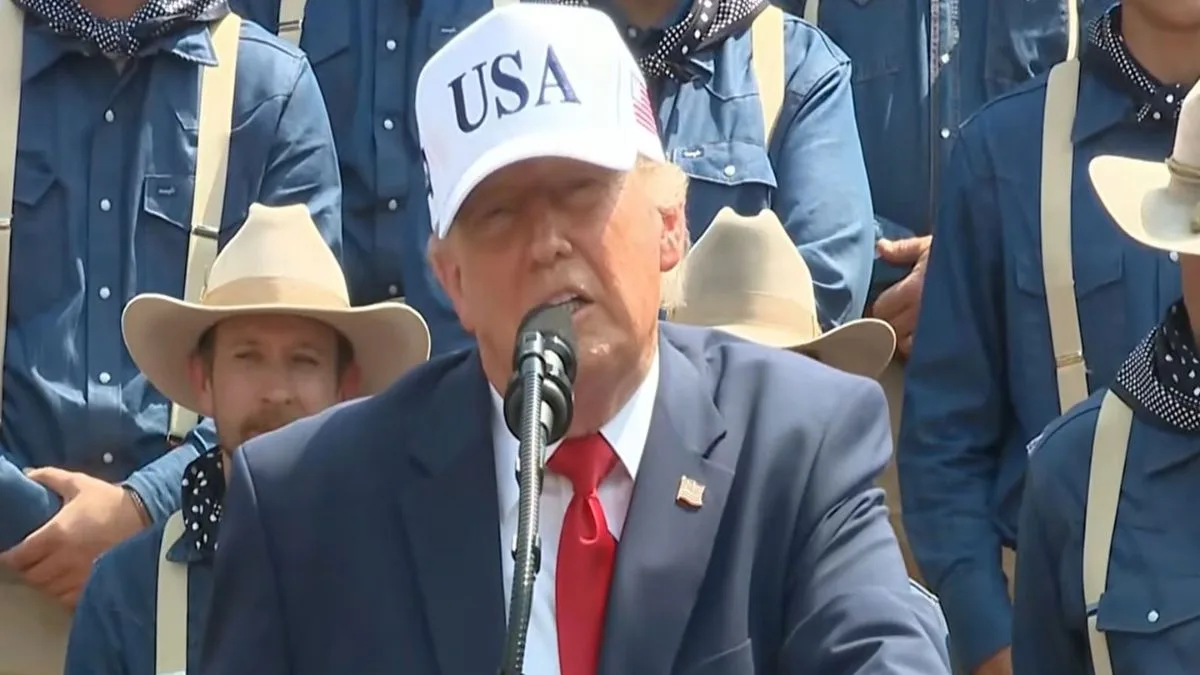
President Donald Trump also struck an optimistic tone, saying efforts towards the “denuclearisation” of Iran were progressing and reiterating that Tehran would not be allowed to obtain a nuclear weapon.
“They’ve come a long way. We hit them very hard last week. They’re fine. We’re going to get it. It’s the denuclearisation of Iran,” Trump said.
Frozen assets, Lebanon commitments remain key issues
Iranian officials said the Doha discussions also focused on the implementation of commitments under the Islamabad MoU.
According to Gharibabadi, Tehran accused Washington of failing to honour commitments relating to Lebanon and stressed that the agreement must be implemented as a single package rather than through selective provisions.
He said a direct communication mechanism would be established between members of the joint monitoring group to document, review and address future implementation issues.
The latest round of talks concluded without direct high-level US-Iran negotiations, but both sides agreed to continue indirect engagement through Qatari and Pakistani mediators in the coming weeks.