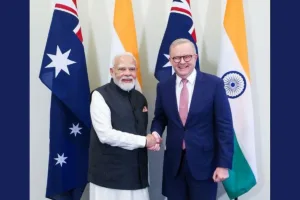
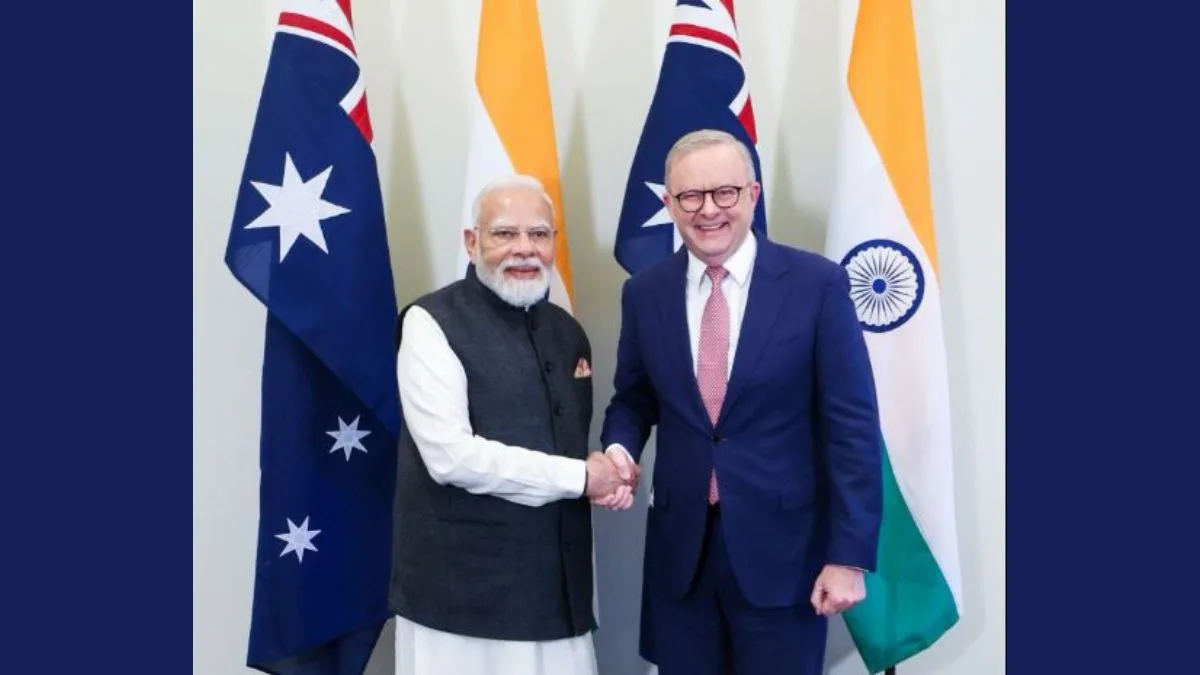
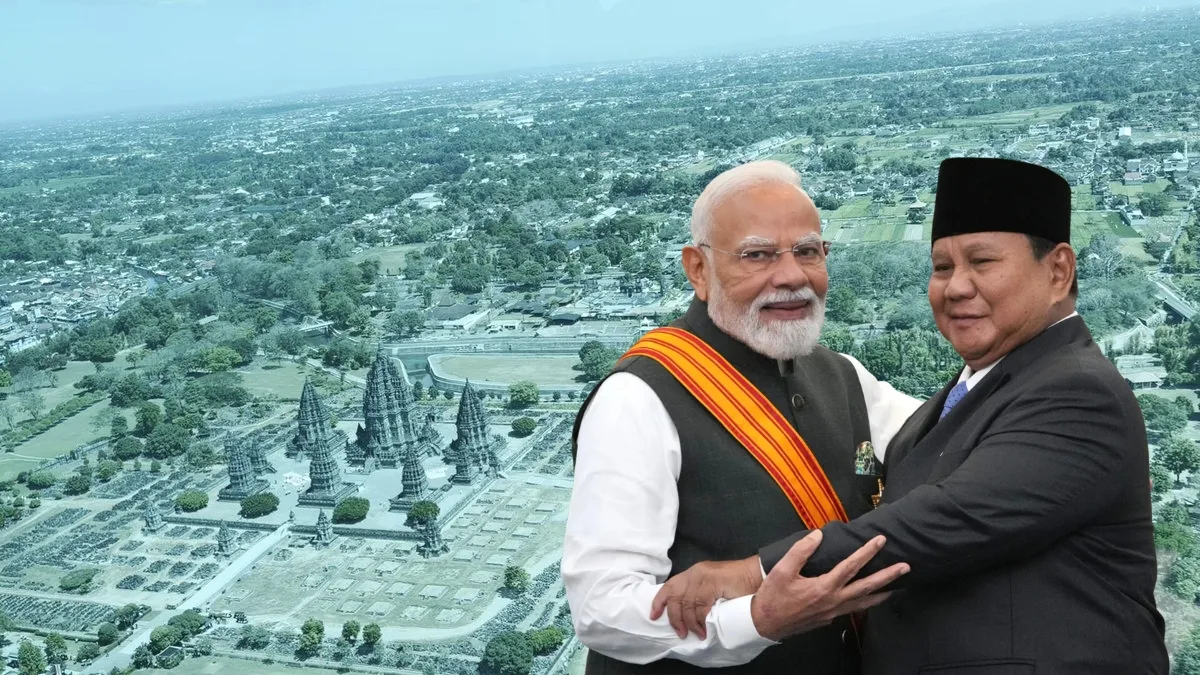
A debate over press freedom and media access broke out in Oslo during Prime Minister Narendra Modi’s visit to Norway after Indian journalists were initially not given an opportunity to ask questions during a joint press appearance with Norwegian Prime Minister Jonas Gahr Støre.
The controversy quickly gained attention online because Norway routinely ranks among the world’s top countries on global press freedom indices. The criticism became sharper after a Norwegian journalist publicly questioned her own Prime Minister’s handling of the media interaction.
Advertisement
The episode unfolded on Monday when visuals showed PM Modi leaving the venue as Norwegian journalist Helle Lyng called out questions from the press area.
Later, Lyng posted on X that she was “very disappointed” that the Norwegian Prime Minister “did not include time today for the Indian reporters.”
However, the situation later evolved after Støre took questions from a group of Indian journalists at another interaction later in the day. Senior journalist Suhasini Haidar later posted on X that the Norwegian Prime Minister had answered questions from Indian reporters, including on India’s ties with Russia and the Ukraine conflict.
Lyng also clarified her earlier criticism, saying she had turned off comments on her original post because the Norwegian Prime Minister “did end up taking questions later yesterday from Indian reporters.”
“I still think he should have taken questions at the first press meeting from the Indian press,” she wrote in another post.
MEA rebuts questions on India’s press freedom record
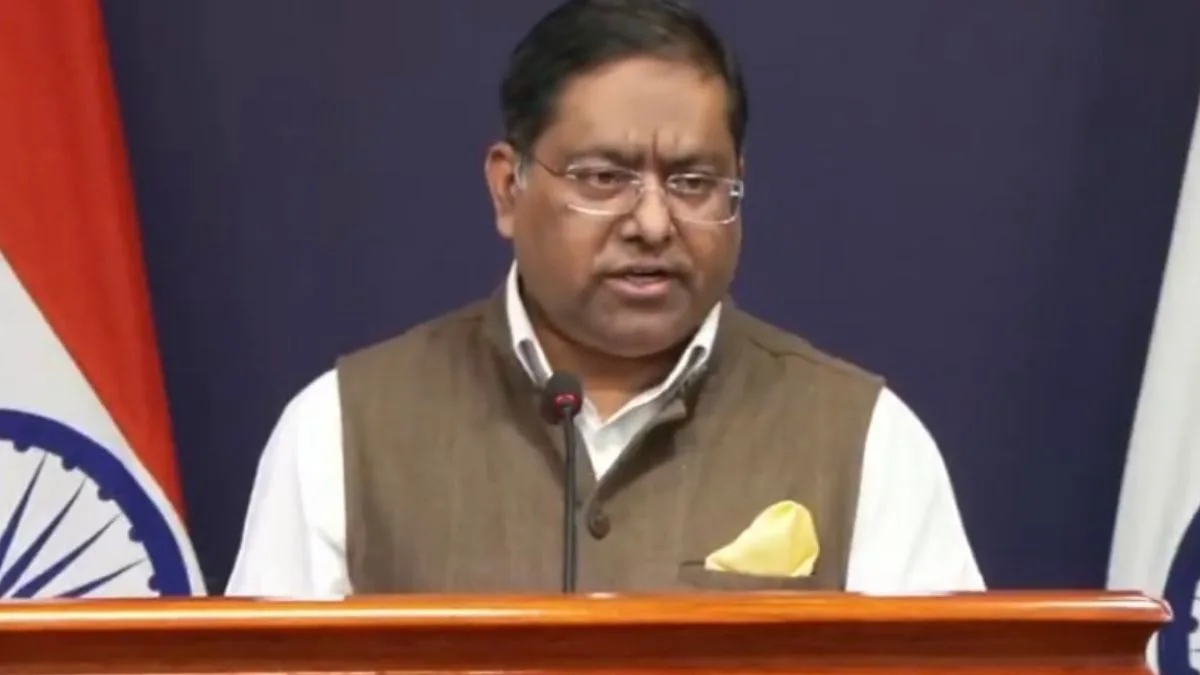
At a media briefing in Oslo afterwards, MEA Secretary (West) Sibi George responded firmly after Lyng questioned India’s democratic and human rights record and asked why the world should trust the country.
“As we strengthen our partnership, why should we trust you? Can you promise that you will try to stop the human rights violations that go on in your country? And also, will the prime minister start taking critical questions from the Indian press at some point in the future?” the journalist asked.
George defended India’s constitutional framework and democratic system, saying the country guarantees fundamental rights and provides legal remedies in cases of violations.
“We have a constitution which guarantees the rights of the people, fundamental rights of the people,” George said, while highlighting that Indian women received voting rights immediately after Independence.
“In 1947, we gave the freedom to vote for our women… Many countries I know, the voting right for women came several decades after India gave that freedom,” he added.
During the exchange, George repeatedly asked the journalist not to interrupt him.
“Let me answer the question, please don’t interrupt me. You asked a question, this is my press conference. You asked why should a country trust India, let me answer that question,” he said.
‘People have no understanding of the scale of India’
The MEA Secretary also criticised what he described as selective global narratives shaped by external reports and NGOs.
“You know how many stories are up here. We have how many breaking news coming every day in the evening. At least 200 TV channels in Delhi alone, in English language, in Hindi language and multiple languages. People have no understanding of the scale of India,” George remarked.
“They read one or two news reports published by some godforsaken, ignorant NGOs and then come and ask questions,” he added.
George further said India remains committed to democratic values, equality and rule of law.
“We believe in equality, we believe in human rights. And what is the best example of human rights? The right to change government, the right to vote,” he said.