India summons Iranian diplomats after strike kills Indian sailor in Strait of Hormuz
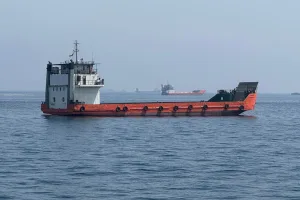
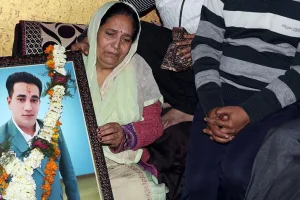
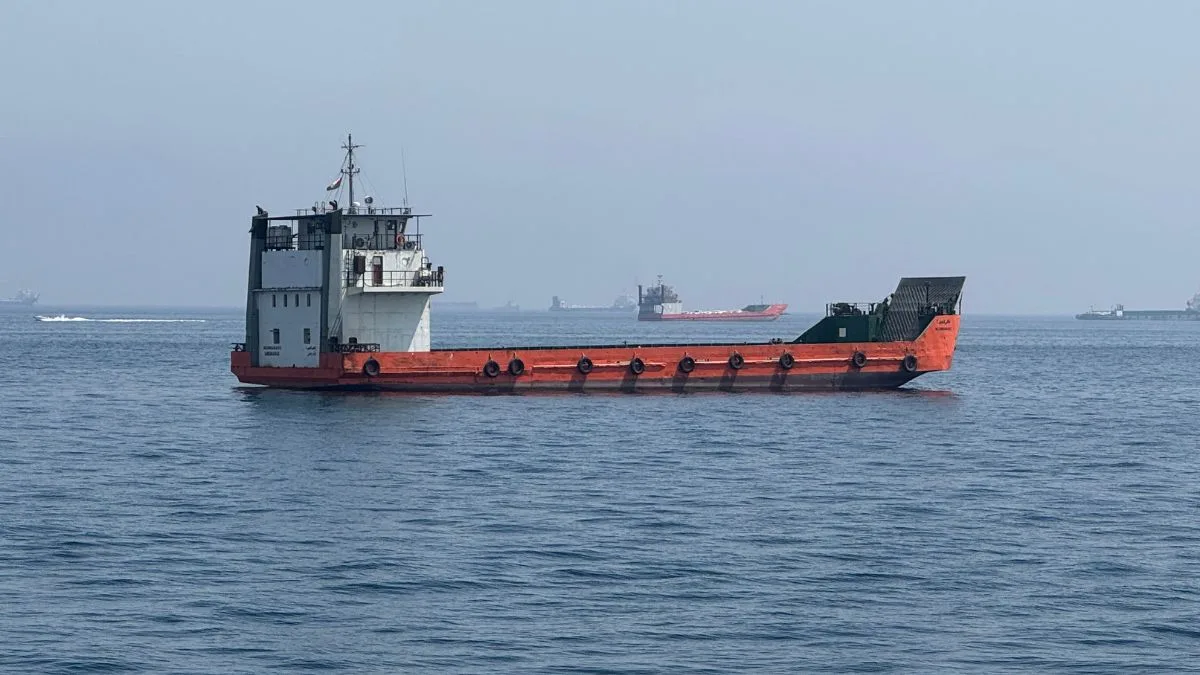
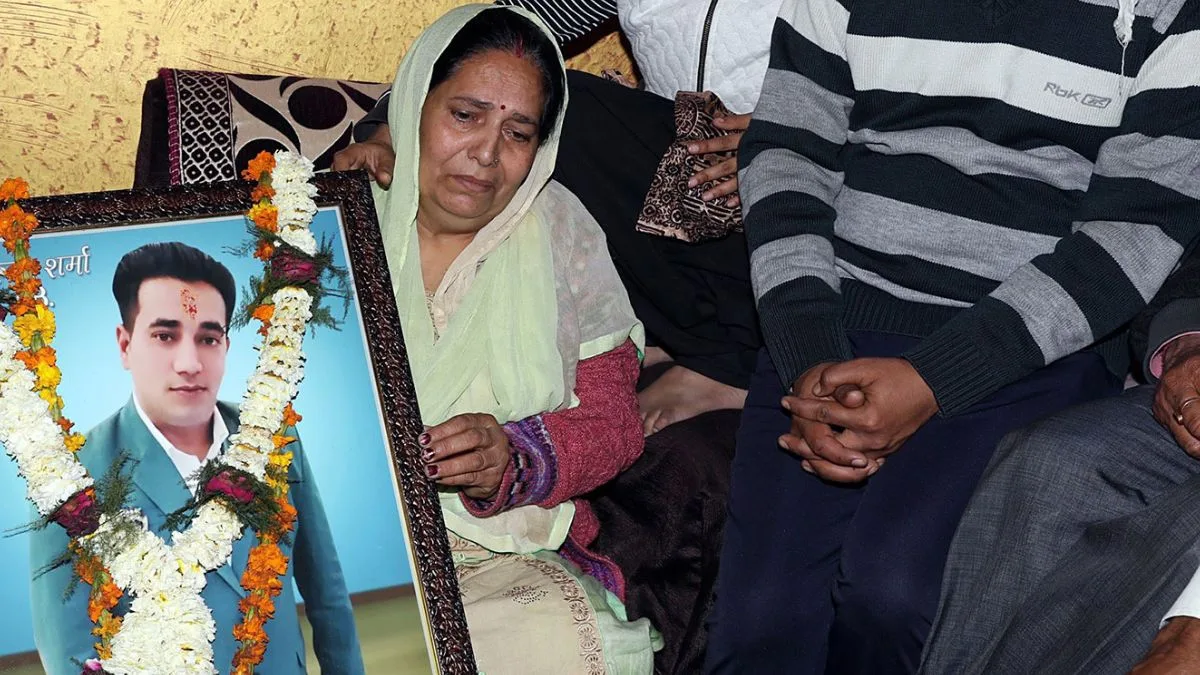
An Indian sailor was killed and six others got injured after a strike by Iran on the UAE oil tankers on Tuesday.
The reported understanding marks one of the most significant developments in years of confrontation surrounding Iran’s nuclear programme and could reshape the geopolitical balance across the region.





File image: Iran’s Supreme Leader Mojtaba Khamenei | ANI
In a potentially game-changing diplomatic breakthrough for West Asia, Iran has reportedly agreed in principle to relinquish its stockpile of highly enriched uranium as part of a broader US-led framework aimed at easing regional tensions and preventing further military escalation. The reported understanding marks one of the most significant developments in years of confrontation surrounding Iran’s nuclear programme and could reshape the geopolitical balance across the region.
According to a report by The New York Times, citing two US officials, Iran has broadly accepted the idea of giving up its enriched uranium reserves, although the exact mechanism and timeline for transferring or neutralising the material have not yet been finalised. Officials indicated that the technical details are expected to be negotiated after a formal agreement is signed.
Advertisement
US President Donald Trump confirmed that intensive diplomatic negotiations are underway involving the United States, Iran and several regional countries. In a statement posted on Truth Social, Trump said a broad agreement had largely been negotiated and was now awaiting finalisation.
Advertisement
“An Agreement has been largely negotiated, subject to finalisation between the United States of America, the Islamic Republic of Iran, and the various other countries,” Trump stated, adding that final discussions were continuing and more details would be announced soon.
One of the most significant elements of the emerging agreement involves the reopening and stabilisation of the Strait of Hormuz, one of the world’s most strategically important maritime trade routes.
Trump stated that the agreement would ensure that “the Strait of Hormuz will be opened,” signalling a possible de-escalation in regional hostilities that have disrupted global shipping routes and energy markets in recent months.
The Strait of Hormuz remains a critical passage for global oil exports, and any easing of tensions in the corridor is expected to have major implications for international energy prices and maritime trade stability.
Signs of diplomatic momentum were also visible in Tehran. Iran’s semi-official Tasnim News Agency reported that indirect negotiations over the past 24 hours had narrowed major differences between the opposing sides.
According to the report, fresh consultations were subsequently held in the Iranian capital as diplomatic efforts intensified to prevent further conflict and stabilise the region.
While no formal agreement has yet been signed, the reported willingness by Iran to discuss surrendering enriched uranium stockpiles is being viewed internationally as a major shift in the long-running nuclear standoff between Tehran and Washington.
Advertisement