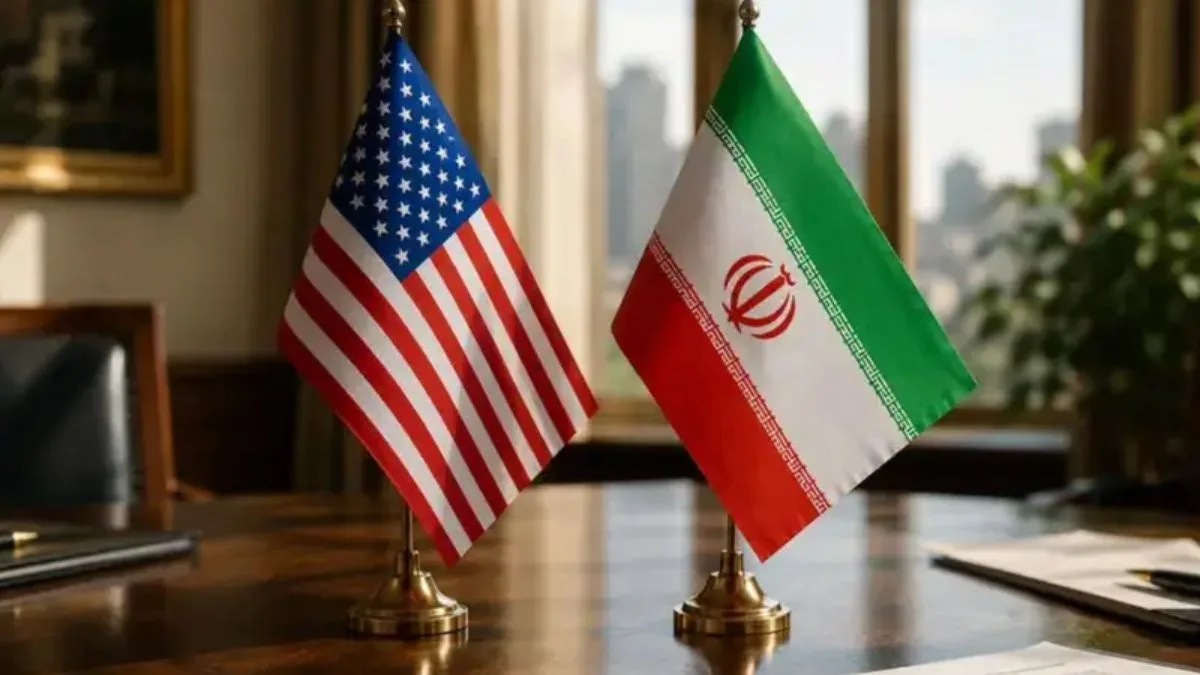
A memorandum of understanding between Iran and the United States was signed on June 17. It was supposed to mark a turning point. Instead, it has exposed how deeply divided Iran’s political establishment really is. From the supreme leader’s office to hardline mosques in Mashhad, the deal is pulling the country in different directions at once.
Here is a breakdown of where each faction stands and what they actually want.
Advertisement
The deal itself: What was agreed
Before getting into the politics, it helps to understand what was actually signed.
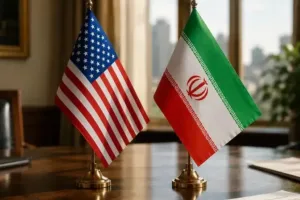
On June 15, US and Iranian officials reportedly reached a preliminary agreement on a framework aimed at extending the ceasefire and reopening the Strait of Hormuz, as well as ending hostilities in Lebanon. The agreement, described as a memorandum of understanding (MoU), is an initial framework and not a final peace agreement. It sets out a 60-day ceasefire period during which further talks are expected to address unresolved issues, including Iran’s nuclear program, especially uranium enrichment levels.
The deal came after months of conflict, multiple broken ceasefires, and negotiations mediated by Pakistan, Qatar, and others. In justifying the interim peace deal with Iran, Trump reaffirmed his view that Tehran should never be able to acquire a nuclear weapon. He did say, however, that Iran should have the right to enrich uranium, receive access to billions of dollars in frozen funds, and be allowed to develop ballistic missiles. Critics in Washington said those were major concessions. In Tehran, though, the fight over the deal was just getting started.
The supreme leader: Cautious, conditional
Khamenei has not been seen or heard from publicly since succeeding his father, Ali Khamenei, as supreme leader in March, but his view has been made clear on the Iran-US deal. “I, as a matter of principle, held a different view,” a brief written statement attributed to Mojtaba Khamenei on Thursday said, in reference to the signing of the MoU with the US. But it said he granted his permission after “explicit acceptance of responsibility” by President Pezeshkian, as head of the Supreme National Security Council.
That is a significant framing. Khamenei did not endorse the deal. He permitted it while making clear that if things go wrong, the blame lands on Pezeshkian. The statement said that upcoming in-person negotiations “will not mean acceptance of the enemy’s position.”
Khamenei’s reservations about his country’s interim peace deal with the United States have emboldened the country’s hardline political grouping, which opposes any concessions with Washington. That carefully worded statement was enough for hardliners to treat his hesitation as a green light to keep pushing back.
President Pezeshkian: Backing the deal, bearing the risk
Iranian President Masoud Pezeshkian is the most visible defender of the agreement. He is a relative moderate and has staked significant political capital on this deal working out.
Iranian President Masoud Pezeshkian described the memorandum of understanding as an opportunity to tackle Iran’s economic and political problems, saying it could help to create “a different world” in Iran and the Middle East. “This is a historical document and a message from a powerful Iran: Peace will be realized in the shadow of mutual respect,” Pezeshkian said in a social media post.
That tone, optimistic and outward-looking, is not shared by everyone around him. Iran’s new supreme leader appears to have handed responsibility for the deal over to President Masoud Pezeshkian, a relative moderate, who is now under fire from a more hardline camp that believes war with the US could restart soon.
The hardliners: Vocal, angry, louder
The most visible opposition inside Iran is coming from hardline factions and state-backed religious networks. They are not a marginal group. They have influence in parliament, in the mosques, and in some of the most powerful state institutions.
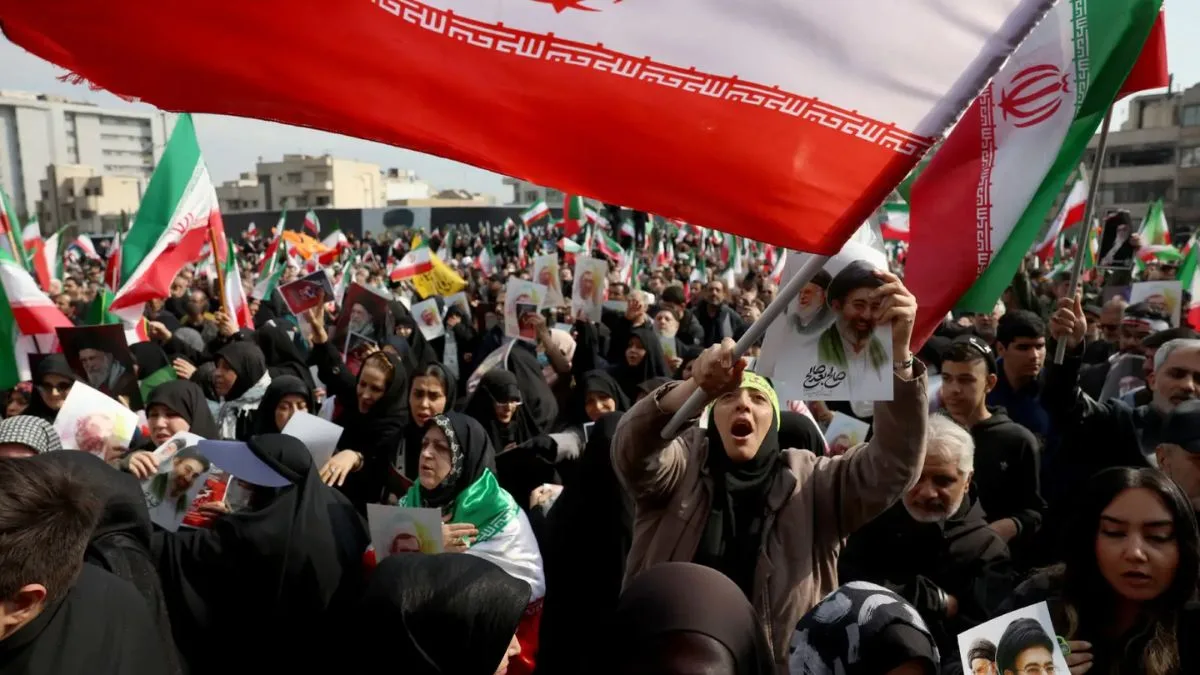
Supporters of Khamenei say Iranian negotiators must continue to press for control of the Strait of Hormuz and should walk out of talks if a deal does not include this. State-backed rallies held in Iranian cities, held nightly during the war, have seen criticism of Pezeshkian, Ghalibaf, and Foreign Minister Abbas Araghchi. These figures are considered part of the moderate camp and viewed by hardliners as most likely to offer the US concessions.
The language being used at these rallies has been striking. Mohammad Ali Bakhshi, a state-backed religious eulogist, said in Shahr-e Ray: “Mr President, if the conditions set by the supreme leader are not realised, it will be us, the blade and your throat. We will make you miserable.”
In the holy city of Mashhad, Ayatollah Ahmad Alamolhoda, the influential Friday prayers leader and representative of the supreme leader, said, “Our fight is not over” with Washington, adding that 70 years of crimes against Iran cannot simply be set aside.
Some hardline members of parliament have also demanded that the legislature be fully reopened so it can scrutinise and potentially block any final agreement that they see as harmful to Iranian interests.
The IRGC: Strategic skepticism wrapped in military logic
The Islamic Revolutionary Guard Corps has its own position on the deal, and it does not line up neatly with either the moderates or the civilian hardliners.
IRGC commander Qalibaf said that new power blocs are reshaping in the world, called for exacting revenge on and liberating Jerusalem for Khamenei’s assassination, and furthered the case for relations with China as a strategic partner country. That is a military institution making clear that its long-term strategic priorities have not changed, regardless of what any piece of paper says.
The IRGC has also framed the nuclear question differently from most Western analysts. The IRGC stated that nuclear weapons are just an excuse. From their perspective, the real issue is not enrichment levels or warheads. It is the continuation of American and Israeli pressure on Iran by any means available.
The reformists: Cautiously optimistic
On the other end of the spectrum, Iran’s reformist-leaning press and political figures have welcomed the deal. Reformist-minded newspaper Etemad described the memorandum of understanding as a “victory document,” showing the contrasting views between the two sides about the still unconfirmed details of the agreement with the US.
For reformists, the MoU represents at least a chance to ease the crushing economic pressure on ordinary Iranians. A government poll as of June 20, 2026 found nearly 60% of Iranians reported they were unable to continue with their lives financially, and 70% of the population demanded government changes. That kind of public pressure creates real political space for moderates to argue that peace, even imperfect peace, serves Iranian interests.
The chief negotiator: Playing all sides
Parliamentary speaker Mohammad Bagher Ghalibaf is one of the more interesting figures in this picture. He served as chief negotiator and is simultaneously trying to position himself as both a defender of the deal and a guarantor of Iranian strength.
Ghalibaf thanked Khamenei for his “guiding and wise message” and said while the MoU consolidated gains made in the war into the negotiation process, it was only “the beginning of a difficult and winding road.” He also cast himself as a “post-war economic commander” and was unusually explicit about wanting decision-making authority during the negotiations process, saying: “I am not someone who remains without a decision and waits around.”
That kind of language is designed to reassure hardliners that no one is capitulating while signalling to moderates that the process will move forward.