A fragile diplomatic opening emerged in West Asia on Wednesday after US President Donald Trump announced a conditional two-week ceasefire in military action against Iran, stepping back from the brink of a wider conflict.
The ceasefire, linked to efforts to reopen the strategically vital Strait of Hormuz, came just ahead of a self-imposed deadline for Tehran to respond. The development, aided by backchannel diplomacy, has eased immediate fears of escalation that had rattled global energy markets and raised concerns over economic stability. Countries across regions have cautiously welcomed the move, while stressing the need for compliance, dialogue and a long-term resolution.
Advertisement
Australia welcomes ceasefire
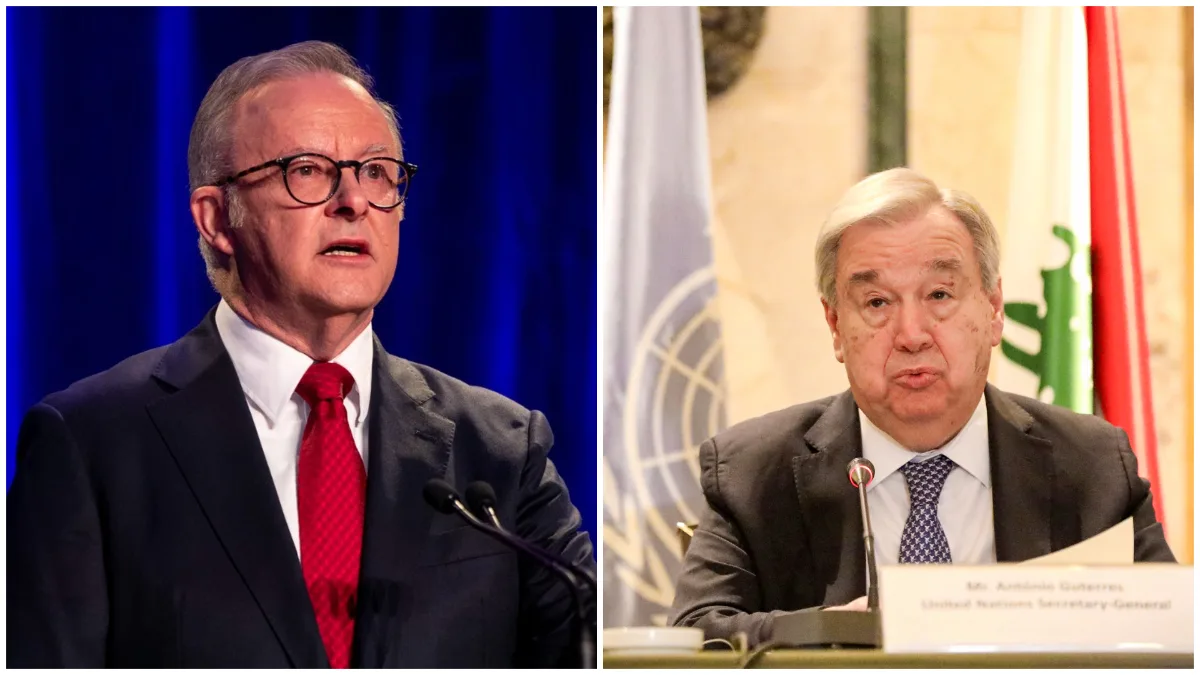
Australia welcomed the pause in hostilities, expressing hope that it would pave the way for a broader settlement. Prime Minister Anthony Albanese said Canberra had consistently pushed for de-escalation and an end to the conflict.
He flagged the wider economic fallout, noting that disruptions in the Strait of Hormuz and attacks on energy infrastructure had triggered supply shocks and driven up fuel prices. Albanese said Australia was working with partners to restore maritime flows and stressed that prolonging the conflict would increase both economic damage and human suffering. He also urged all sides to adhere to international humanitarian law and protect civilians.
United Nations urges adherence to international law
UN Secretary-General António Guterres called the ceasefire a positive step, calling on all parties to honour its terms and comply with international law.
He underscored the urgency of ending hostilities to protect lives and reduce humanitarian distress, while noting that diplomatic efforts were ongoing to secure a lasting peace. The UN said its envoy remains engaged in the region to support negotiations.
Ukraine calls for similar pressure on Russia
Ukraine backed the ceasefire, with Foreign Minister Andrii Sybiha stating that “American decisiveness works.”
He also drew parallels with Kyiv’s ongoing war, arguing that similar resolve should be used to pressure Russia into ending hostilities in Ukraine. Sybiha acknowledged mediation efforts that helped facilitate the current pause.
New Zealand expresses cautious optimism
New Zealand welcomed the development but warned that significant work remains. Foreign Minister Winston Peters said the announcement was encouraging, though fragile.
He noted the far-reaching impact of the conflict, not just in West Asia but also across regions, including the Pacific. Peters said Wellington would support efforts aimed at securing a durable and lasting ceasefire.
Malaysia pushes for comprehensive peace
Malaysian Prime Minister Anwar Ibrahim also welcomed the ceasefire as a positive step toward restoring regional and global stability.
He urged all sides to engage in good faith. Ibrahim called for a broader peace process extending beyond Iran to include conflict-hit countries such as Iraq, Lebanon and Yemen. He also emphasised the need to address the Palestinian issue, particularly the situation in Gaza, as part of any lasting settlement.