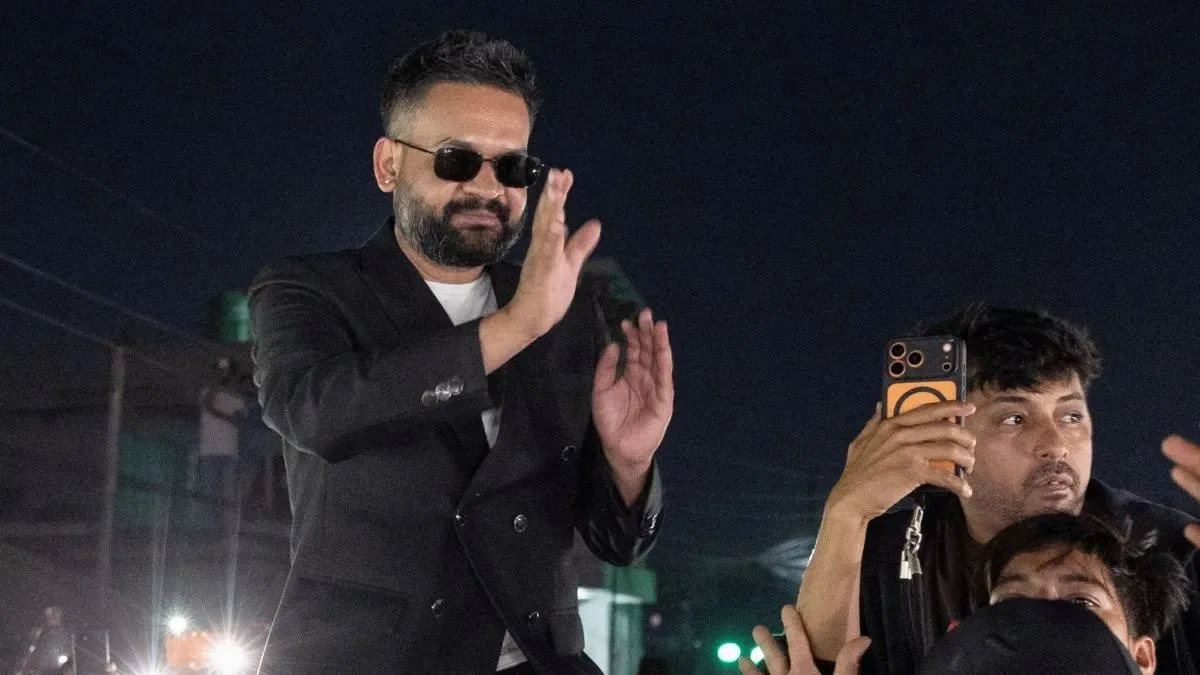
The Nepal government led by Balen Shah has announced a sweeping 100-point governance reform agenda, but two controversial decisions; banning unions and removing student organizations, have sparked sharp criticism from academics and student leaders.
The proposals were approved during the first Cabinet meeting held at Singha Durbar on Friday. Officials described the plan as a major administrative overhaul touching multiple ministries.
Advertisement
Ban on political affiliation in administration
One key reform aims to depoliticise government institutions. The Cabinet decided to prohibit political party affiliations for all civil servants and teachers. It also approved abolishing partisan trade unions within state bodies.
Supporters claim this will increase efficiency and reduce political interference. However, critics say the move risks weakening workers’ protections.
Student unions to be replaced within 90 days
The government also decided to remove political student unions from campuses and replace them with non-partisan “Student Councils” within 90 days.
This decision has triggered debate among scholars, who warn that banning student organizations could harm democratic participation.
Activists call move “anti-democracy”
“Many people are celebrating and agreeing because all they have seen is student politics causing strikes and disruptions. But what they don’t realise is that this move encroaches on the constitutional right to freedom, the right to freely form unions and associations in Nepal,” said student leader Rajesh.
Responding to the decision, social activist Ansuda strongly criticised the abolition of unions.
“Unions exist to prevent concentration of power. They exist to fight exploitation. We have seen how they function in capitalist systems. Unions are necessary,” Ansuda said.
The activist added that Nepal’s system may not have been perfect but scrapping unions entirely would increase risks for workers. “Removing workers’ unions is foolishness. They could have been regulated. If abolished, there is a high chance that workers will be exploited.”
Ansuda also stressed the role of unions in accountability. “Unions are the only platform where workers can fight back. They hold those in power accountable. That is the only way people can question the system.”
On student unions in Nepal, she said regulation was preferable to removal. “If student unions disrupt studies, they should be regulated, not banned. Banning them is anti-democracy.”
Anthropologist warns against dismantling system
Anthropologist Suresh Dhakal also expressed concern.
“In capitalist market systems, where a state has minimal state interference, unions are necessary to protect workers’ rights,” he told The Statesman.
Dhakal questioned restrictions on student participation. “How can the state decide what students can or cannot do in colleges and universities in exercising their basic rights? Students have rights. Political parties may form organisations, but students should have space to participate.”
He added, “If a party does not guide or mentor younger ones, including students, then how come an ideologically informed new batch of politicians is prepared? For any democratic system to sustain, we need politically informed citizens.”
He argued that dismantling the entire structure due to problems is excessive. “If there is a normal problem, we should not destroy the whole system. It’s like beheading yourself just because you have a headache.”
Dhakal added that student unions exist worldwide and play a key role in political socialisation. “Student unions are necessary. They exist across the world. How to make them a part of the system so that they contribute to university reforms should be the concern”.
Student union issues warning
Earlier, the Nepal Student Union, affiliated with the Nepali Congress, warned the incoming government against dissolving student organisations.
Speaking at a meeting in Kathmandu, President Dujang Sherpa said any attempt would be like “putting a hand into fire” and would backfire.
Sherpa also said the union had helped create space for emerging public figures such as Balen Shah and Rabi Lamichhane. He further noted that the Supreme Court has formally recognised the Nepal Student Union as a legitimate body representing student rights.