Magnetic avalanche ignites historic solar storm
A video recently released by the ESA's Solar Orbiter and NASA's Chandra X-ray Observatory showed a magnetic avalanche on the surface of the sun.

A video recently released by the ESA's Solar Orbiter and NASA's Chandra X-ray Observatory showed a magnetic avalanche on the surface of the sun.
While we now know what the winter solstice actually is, people around the world for thousands of years have believed the legends that surround the tales of gods, nature and heroes and above all believed that light would always triumph over darkness.

A total of 125 member countries are participating in the assembly.
The Sun, the fiery heart of our solar system, has fascinated humanity for centuries. Despite the progress of modern science, many of its secrets remain locked away, particularly the mysteries of its outer atmosphere, the corona.
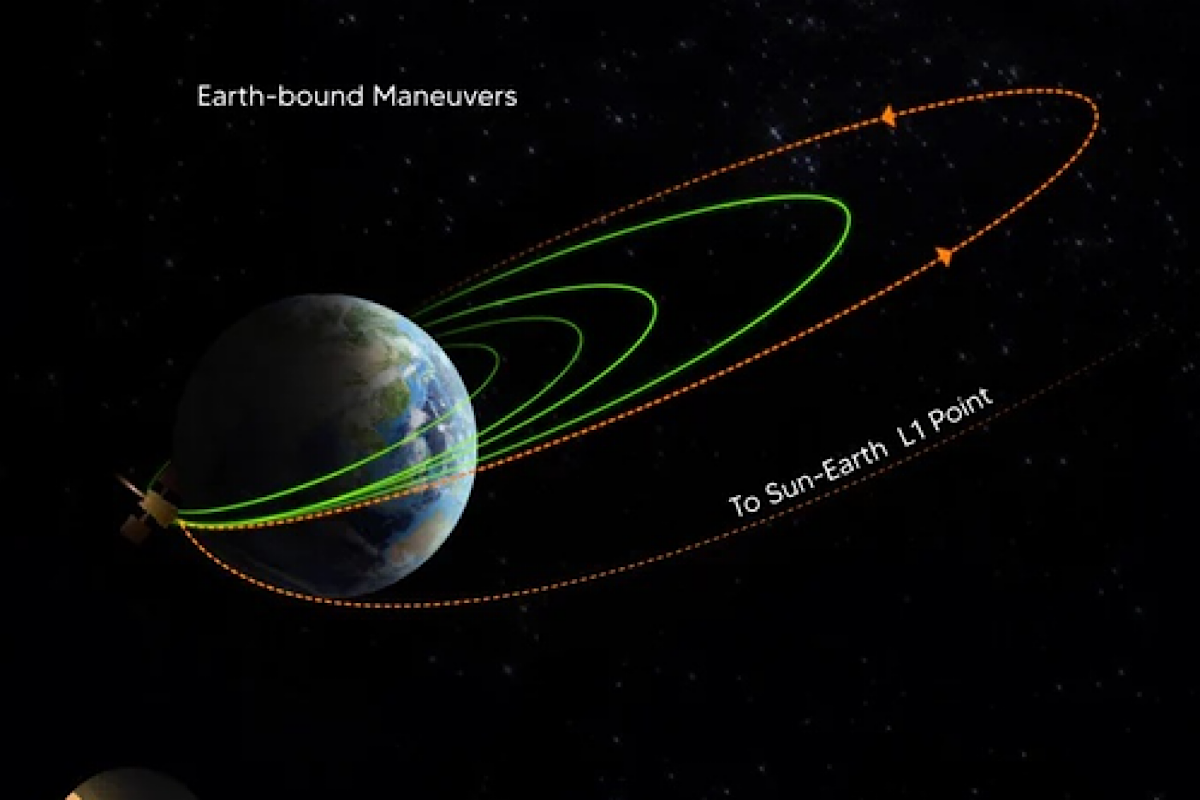
The Sun, our life-sustaining star, is also a for midable force capable of unleashing immense energy bursts. CMEs, massive eruptions from the Sun’s outer corona, travel at blistering speeds of up to 3,000 km/s, carrying charged particles that can disrupt satellites, knock out power grids, and interfere with communication networks.
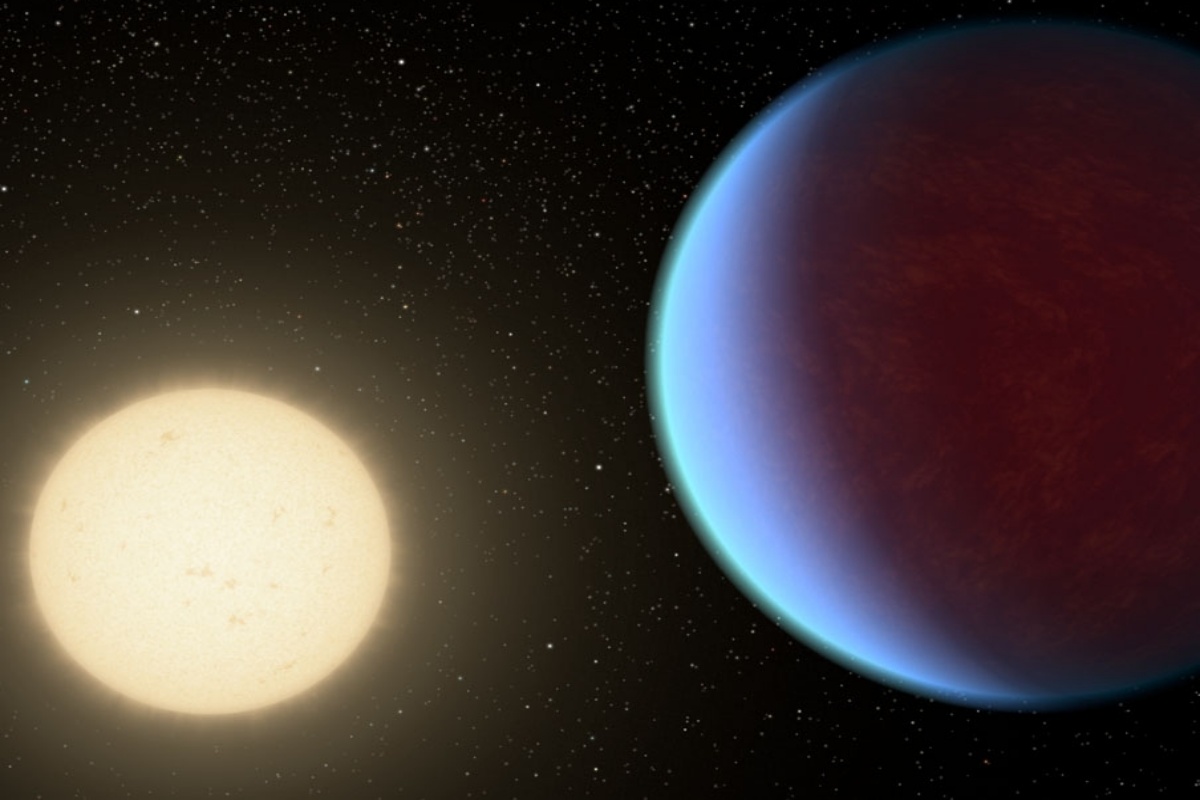
The newly discovered planet orbits 110 times more distant from its star than the Earth does from the sun (or 20 times the distance between the sun and Jupiter).
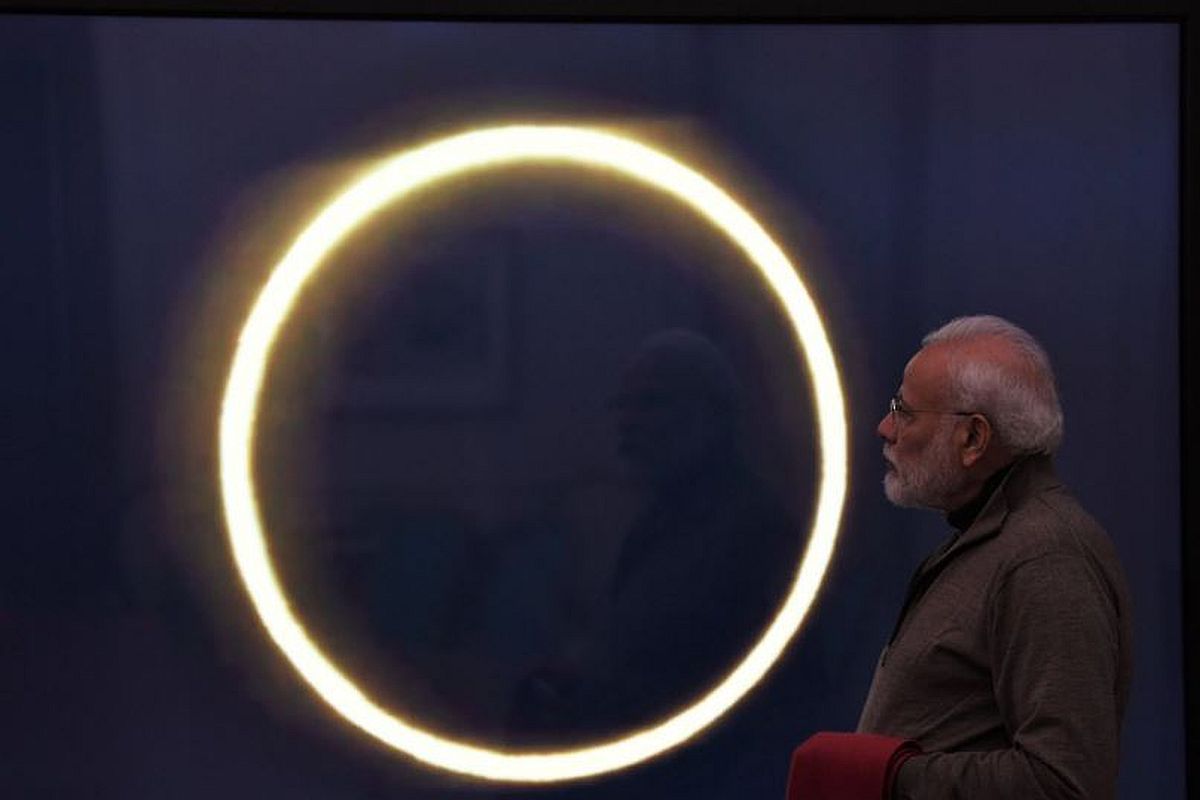
A solar eclipse occurs when the Moon passes between the Earth and the Sun, totally or partly obscuring the Sun for a viewer on Earth.
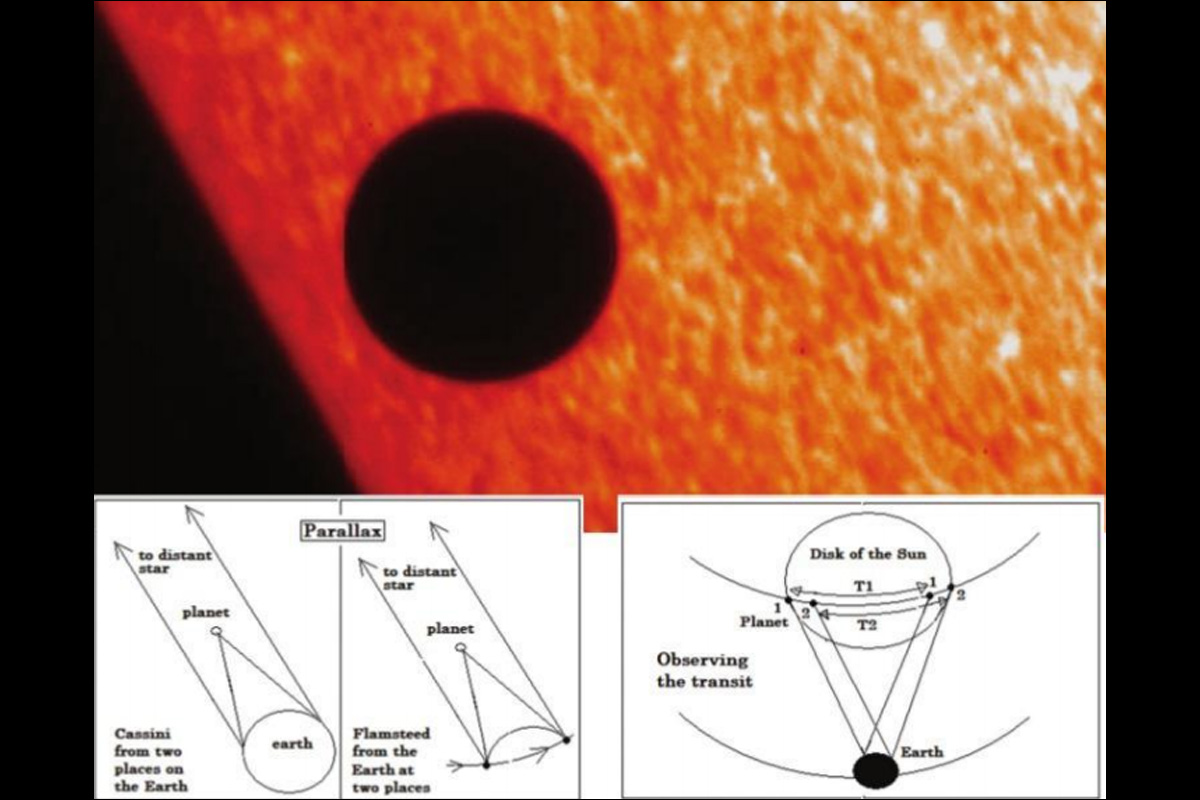
The transit of Mercury helps measure our distance to the Sun.

The next solar eclipse, although not a total eclipse, is set to happen on December 26, 2019 and will be visible in the Middle East, including Qatar.
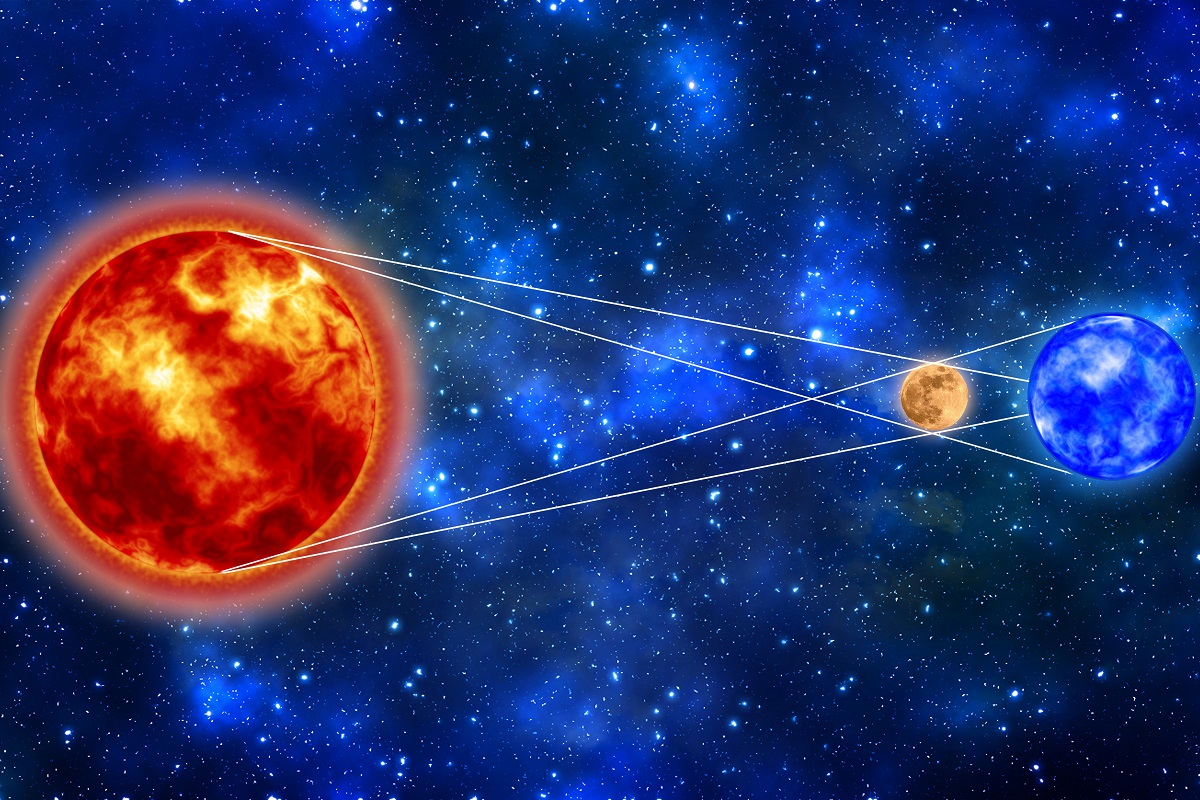
The upcoming eclipse is going to be the only total solar eclipse that will occur this year.