‘Let her bring the best lawyers’: Bangladesh ‘welcomes’ Hasina’s possible return, says she must face justice
"We welcome her announcement as we want to ensure justice," Zahed Ur Rahman said, according to local media.

"We welcome her announcement as we want to ensure justice," Zahed Ur Rahman said, according to local media.

Sheikh Hasina said there has been no communication with the authorities in Dhaka over her proposed return. The tribunal also ordered the confiscation of her properties and sentenced former Home Minister Asaduzzaman Khan Kamal to death while awarding a five-year jail term to former police chief Chowdhury Abdullah Al-Mamun.
Hasina said that the death penalty awarded to her in Bangladesh is a result of an "illegal, unconstitutional, and politically motivated process."

The report, titled "Human Rights Violations and Abuses related to the Protests of July and August 2024 in Bangladesh," was published on February 12, 2025.
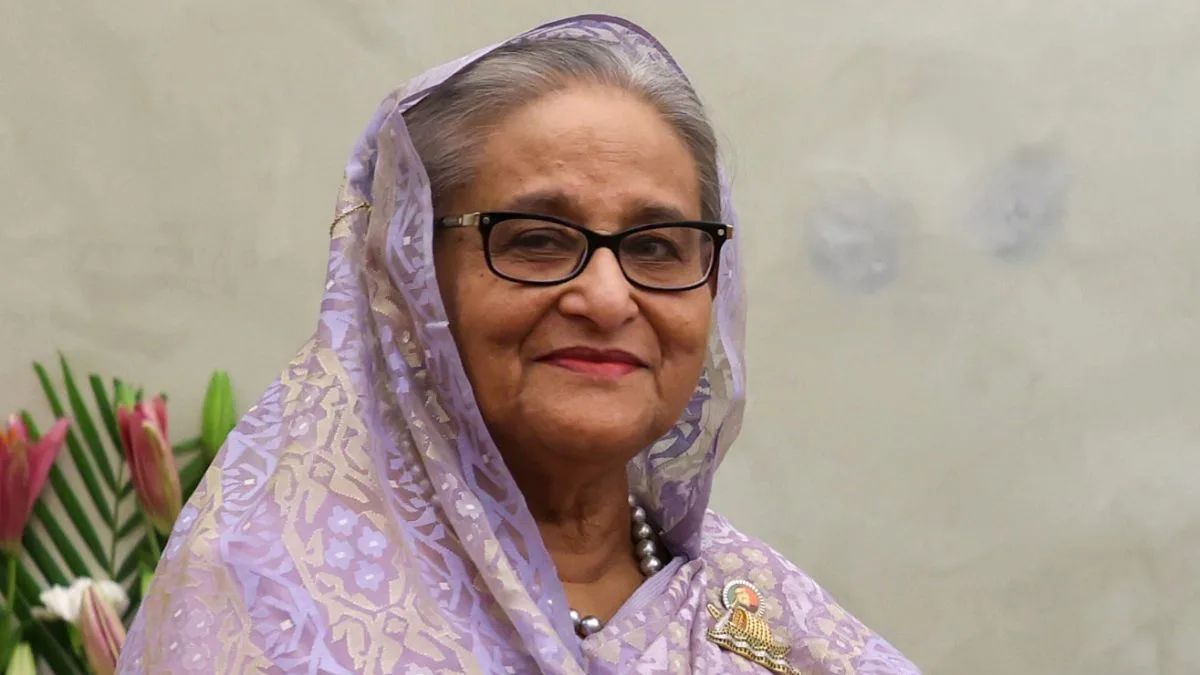
In her message, Sheikh Hasina said that the verdict of the people of West Bengal is a "clear reflection of their deep trust and admiration for Suvendu Adhikari’s strong and people-oriented leadership."

A Dhaka court on Monday has sentenced Bangladesh's former Prime Minister Sheikh Hasina to 5 years imprisonment on corruption charges.
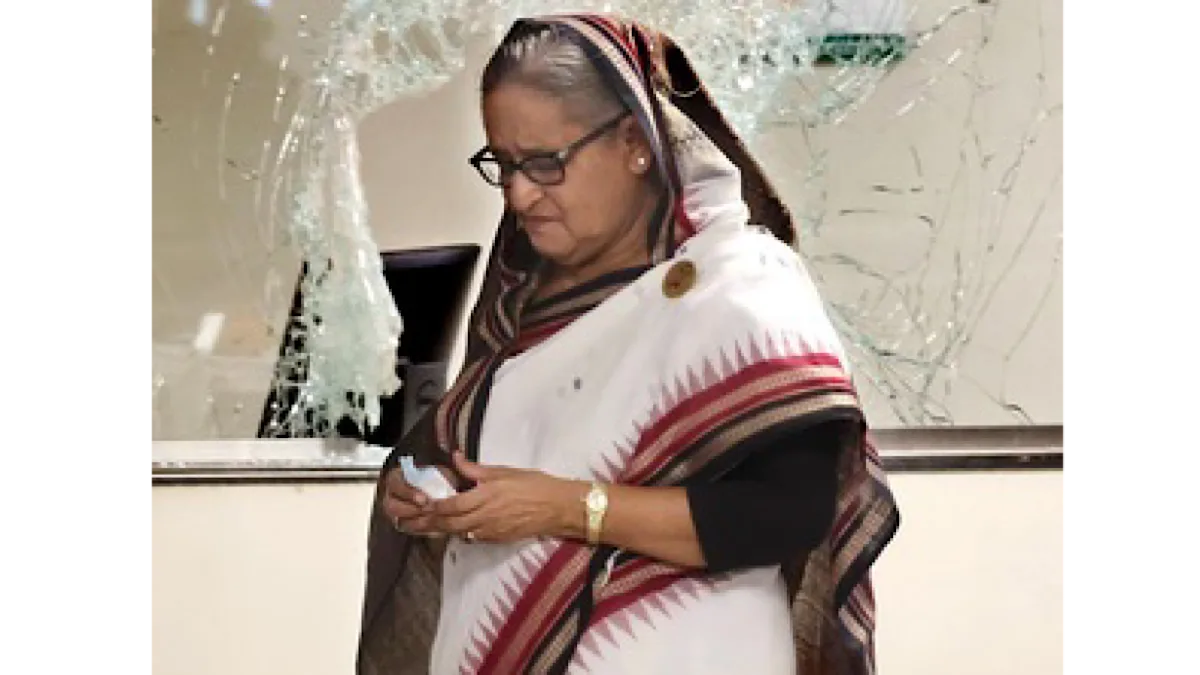
A Bangladesh court on Thursday sentenced former Prime Minister Sheikh Hasina to 21 years of imprisonment in three corruption cases filed by the country's Anti-Corruption Commission (ACC) over the irregularities in the allocation of plots under the Purbachal New City Project.

The Pakistani Foreign Ministry had reportedly said yesterday, after the ceremony at the Ram Temple, that the event was part of the growing pressure on religious minorities in India.

Bangladesh has approached India once again for the extradition of Sheikh Hasina after the ICT awarded her a death sentence. Dhaka says the request falls under the bilateral treaty, as New Delhi signals continued engagement.
India’s neighbourhood diplomacy has rarely been straightforward, but the crisis surrounding former Bangladesh Prime Minister Sheikh Hasina’s conviction and death sentence has created one of New Delhi’s most complex tests in recent years.