Fractured Union
For decades, India’s political system rested on a quiet understanding
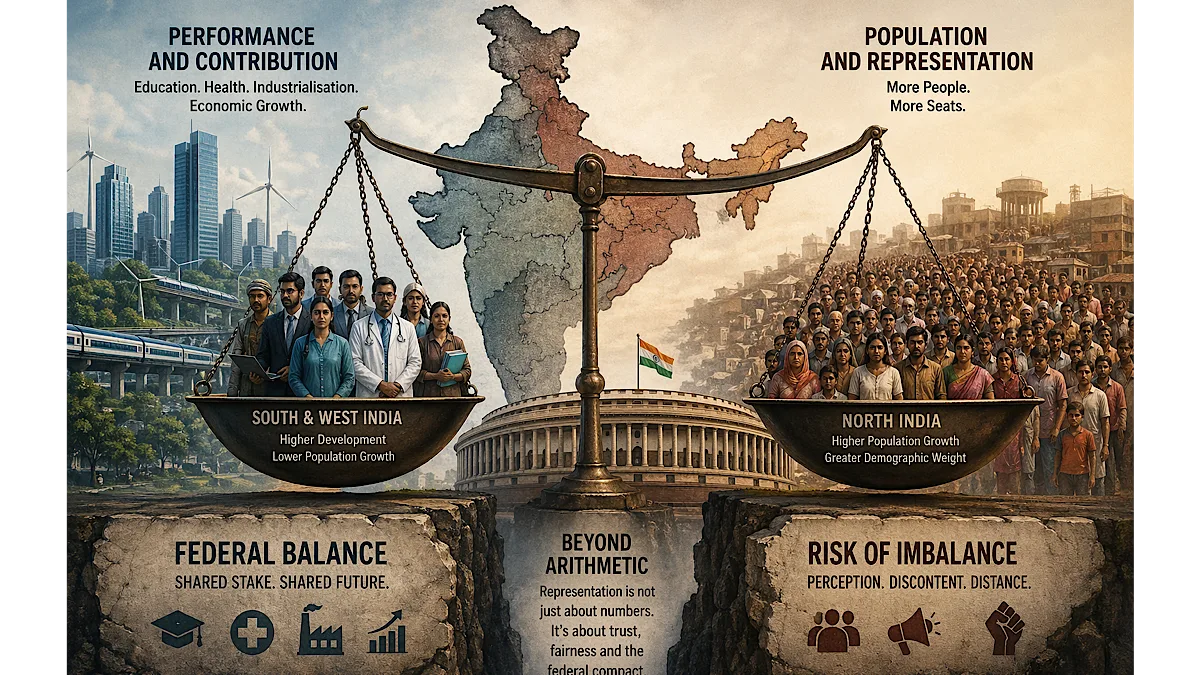
For decades, India’s political system rested on a quiet understanding
India’s decision to finally undertake a full census after more than a decade is not merely an exercise in counting heads.
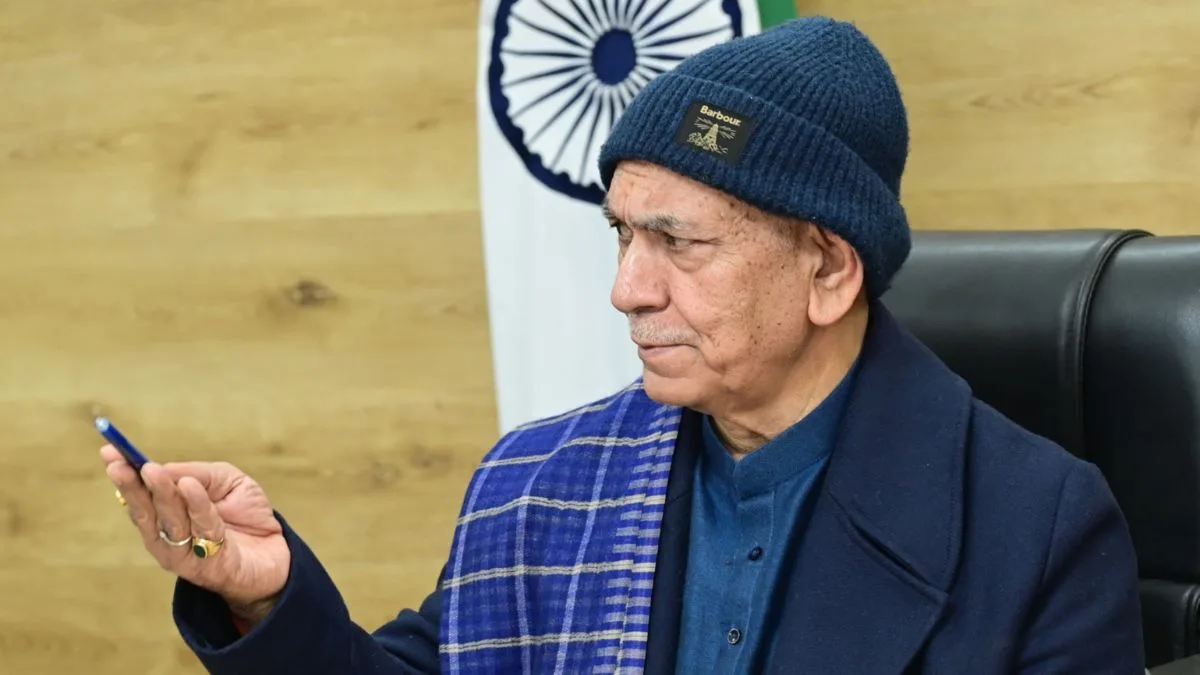
This information was shared during the 6th meeting of the Wildlife Board for the Union Territory of Jammu and Kashmir, chaired here by Lieutenant Governor Manoj Sinha.
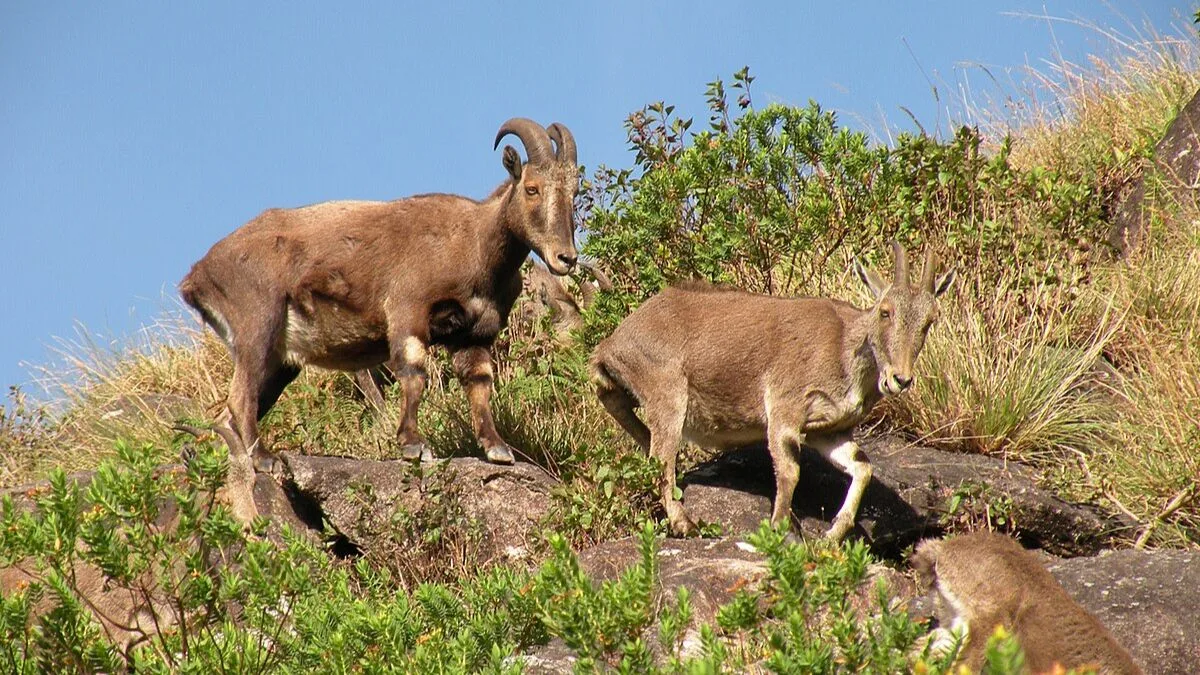
Hailed as mountain monarchs, the Nigri Tahr, state animal of Tamil Nadu, has witnessed a significant rise in its population in the Western Ghats abutting Kerala, indicating the success of the conservation efforts of the state government.

The Arabic word “Ummah” could be translated as “nation”, though it broadly represents a grouping of people who are united by Islamic faith, values, and purpose.

At the moment, India's working-age population is around 961 million and the unemployment rate is at a five-year low.

Since the Internal Displacement Monitoring Centre (IDMC), a non-governmental organisation based in Geneva, started collating data on persons displaced by disasters in 2018, this set of the population has been increasing.
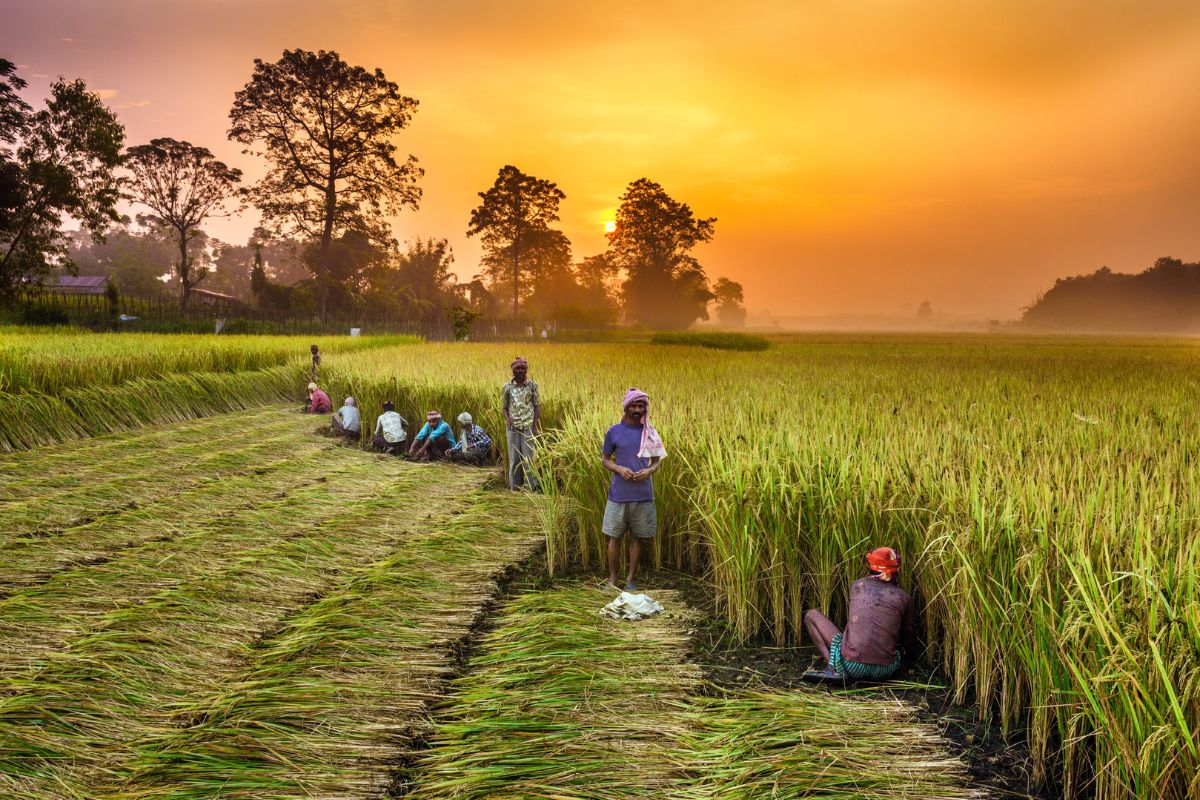
India’s food security challenge is no longer just about rising food prices. It encompasses the very availability and accessibility of nutritious food for the most vulnerable segments of the population.
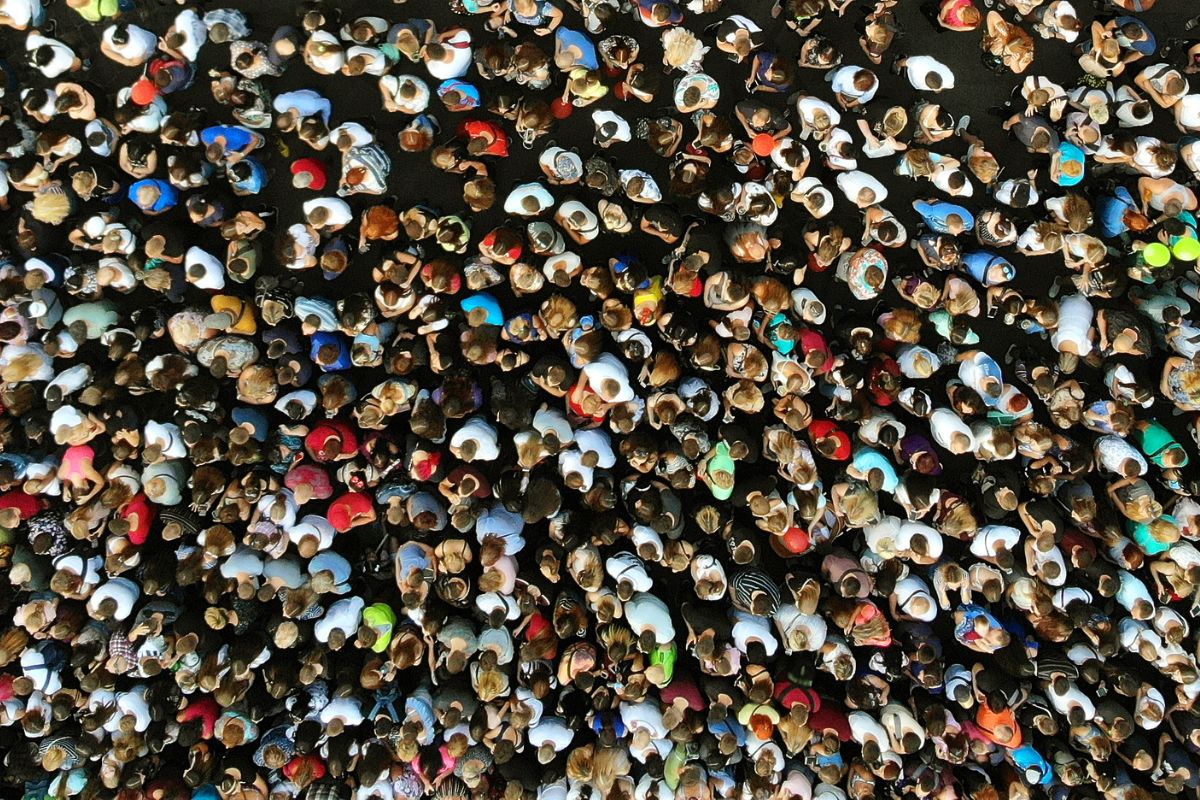
The resumption of India’s population census, expected to begin in September, marks a pivotal moment for the nation.
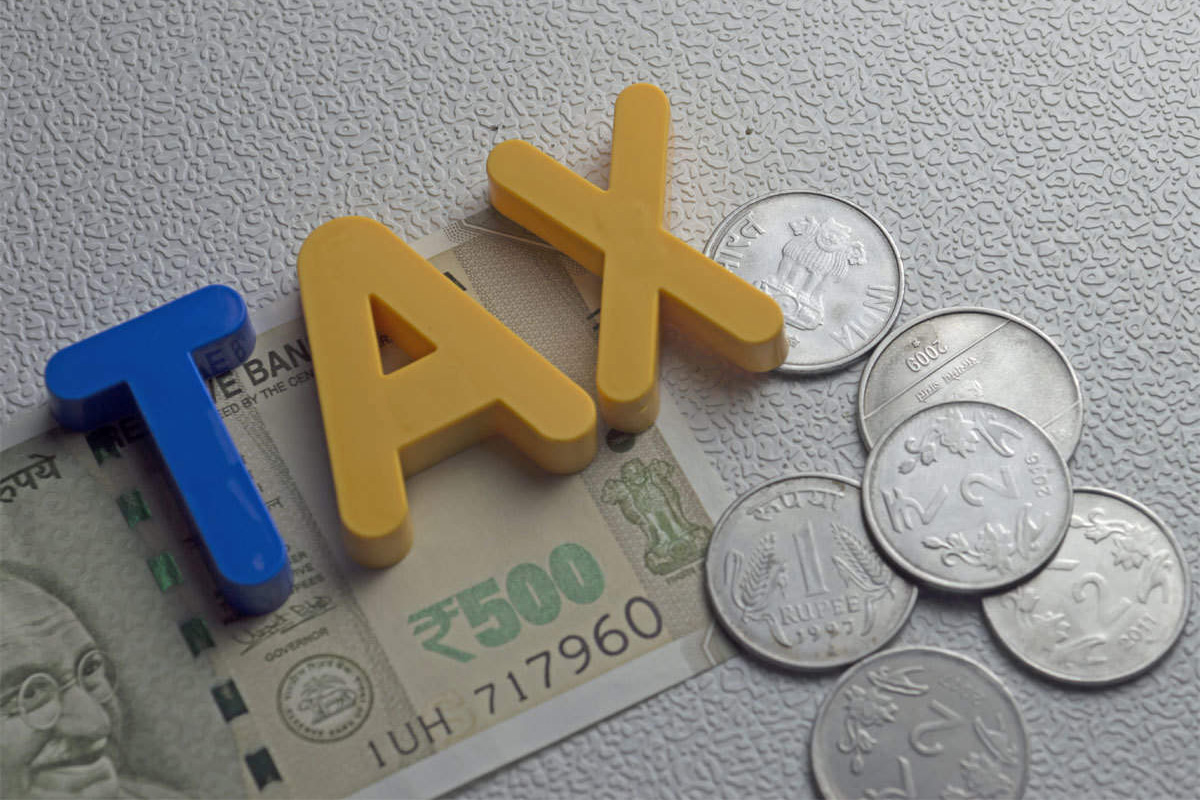
This year’s Union Budget has once again highlighted the growing disparity between the contributions of individual income taxpayers and corporates to the government’s coffers.