All eyes on NDA’s ‘Mangal Milan’ meeting on Tuesday
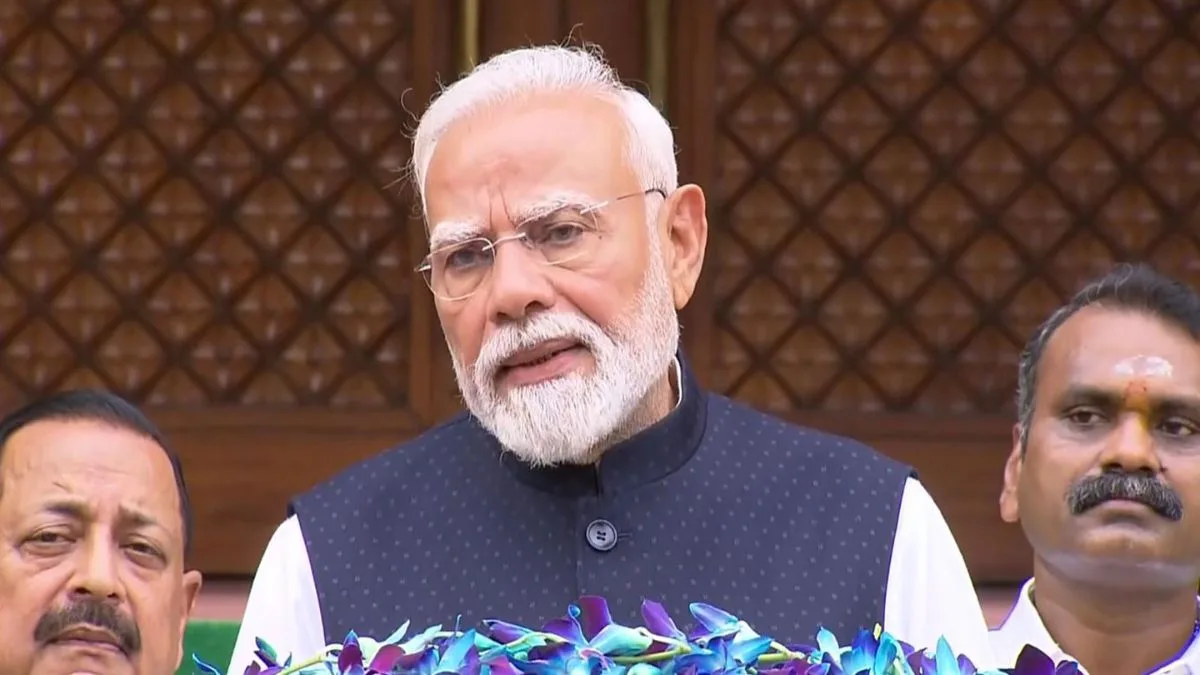
The National Democratic Alliance (NDA) Parliamentary Party meeting, now called 'Mangal Milan', will be held on Tuesday at Parliament House.
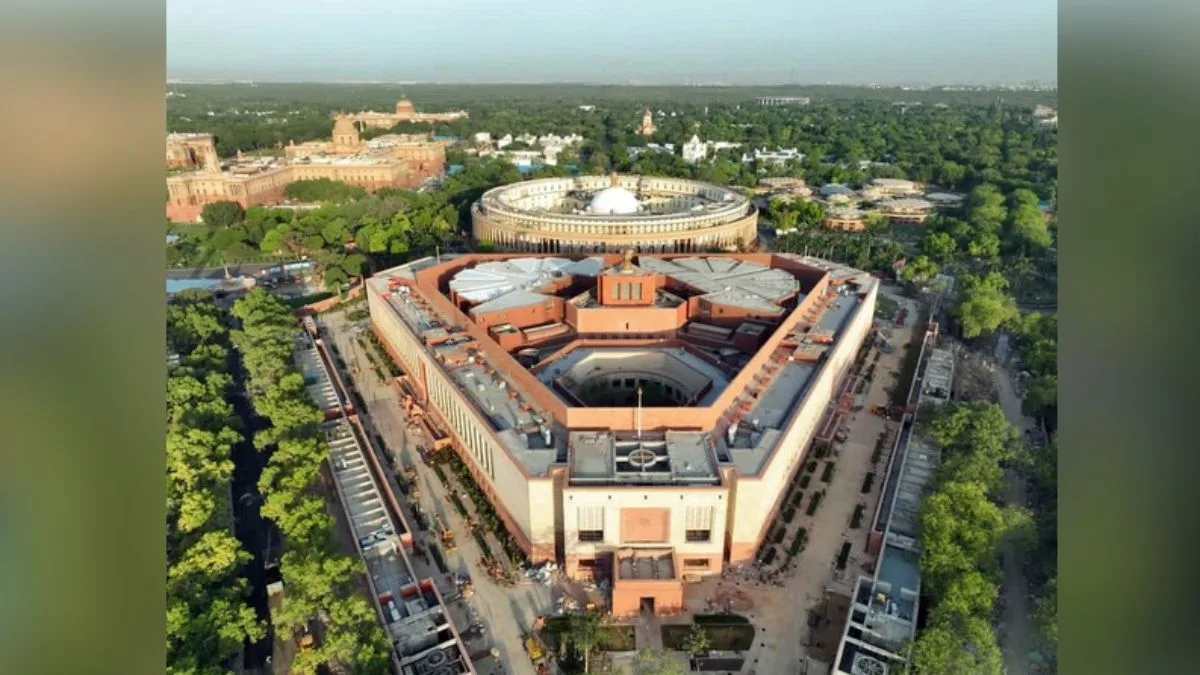
The National Democratic Alliance (NDA) Parliamentary Party meeting, now called 'Mangal Milan', will be held on Tuesday at Parliament House.
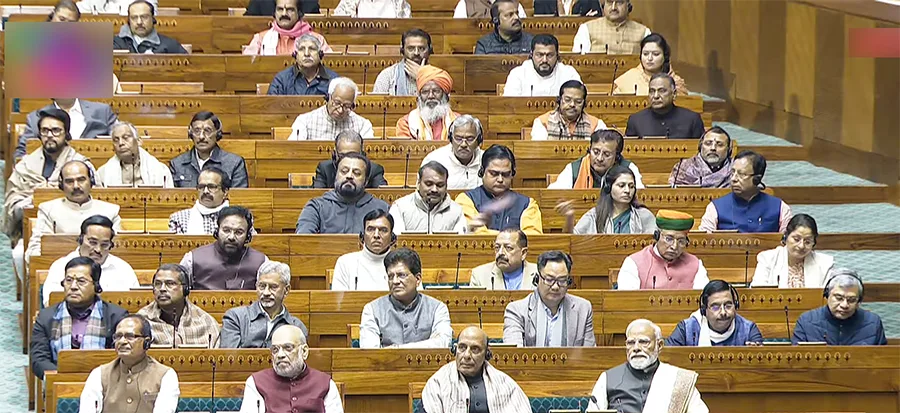
The government has a heavy legislative agenda, and several significant Bills are expected to be taken up during the upcoming session.

To overcome shortfall of numbers in Lok Sabha, BJP intensified outreach to regional and Opposition parties, including DMK and NCP (Sharad Pawar). On Wednesday NCP (SP)appeared to signal openness to Delimitation Bill if conditions met

Congress General Secretary in-charge communications Jairam Ramesh on Monday accused Prime Minister Narendra Modi led NDA government of abandoning its anti-corruption plank, alleging that the Prime Minister's 2014 promise of "Na Khaunga, Na Khane Doonga" (I will neither indulge in corruption nor allow it) had been undermined by a series of alleged scams, cronyism and governance failures over the past 12 years.

Mahua Moitra publicly accused senior TMC MP Sudip Bandyopadhyay of misleading party colleagues about his health and travelling to Delhi amid a growing rebellion by a section of Trinamool Congress MPs.
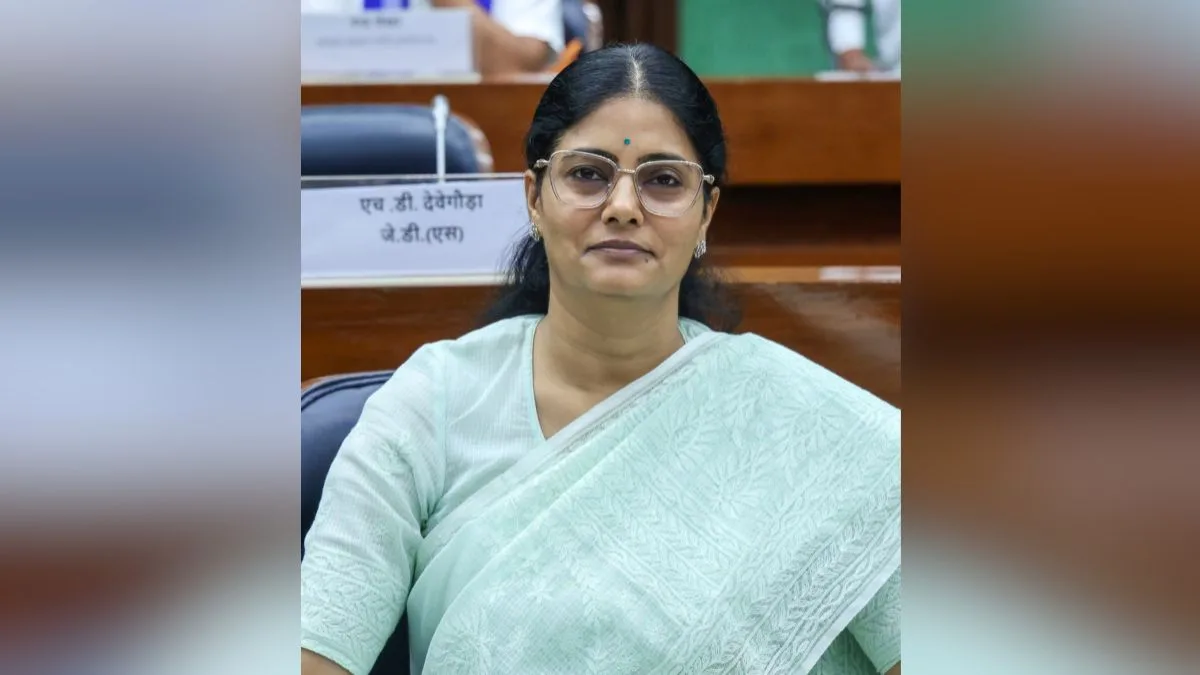
Apna Dal (Sonelal) chief and Union minister Anupriya Patel on Saturday made it clear that her party is a part of the NDA and there is no difference of opinion within the political outfit.
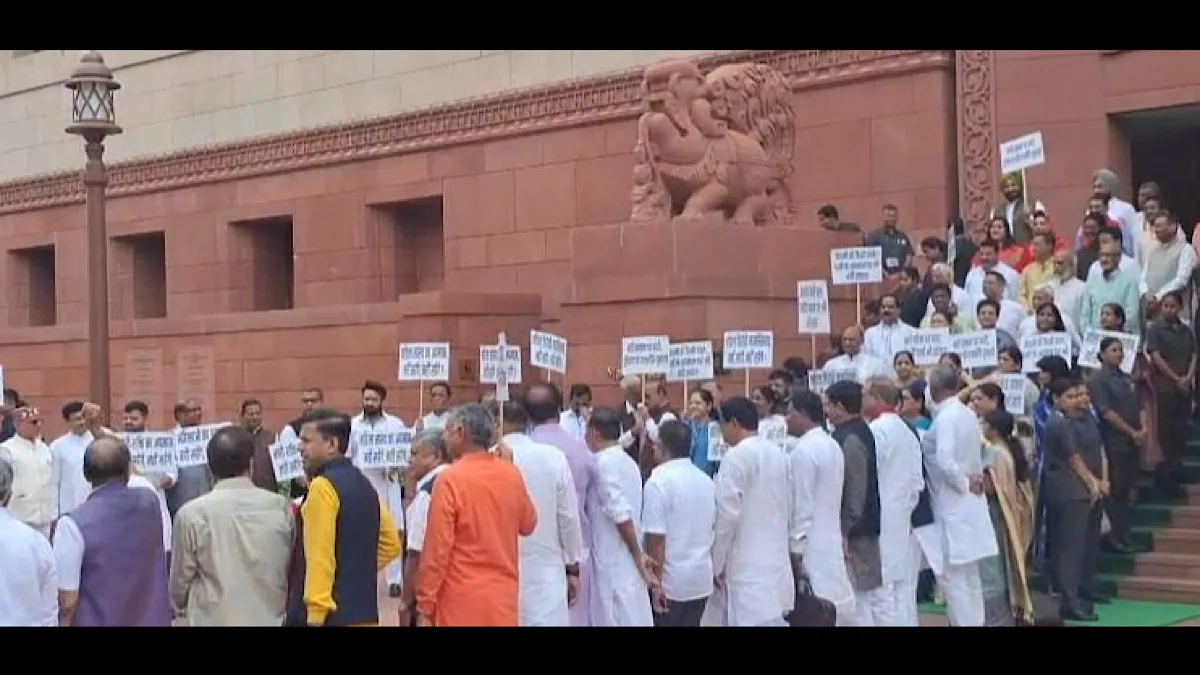
A heated standoff unfolded outside Parliament on Monday as National Democratic Alliance (NDA) MPs staged a strong protest against Islamic cleric Maulana Sajid Rashidi for his derogatory remarks against Samajwadi Party (SP) MP Dimple Yadav.
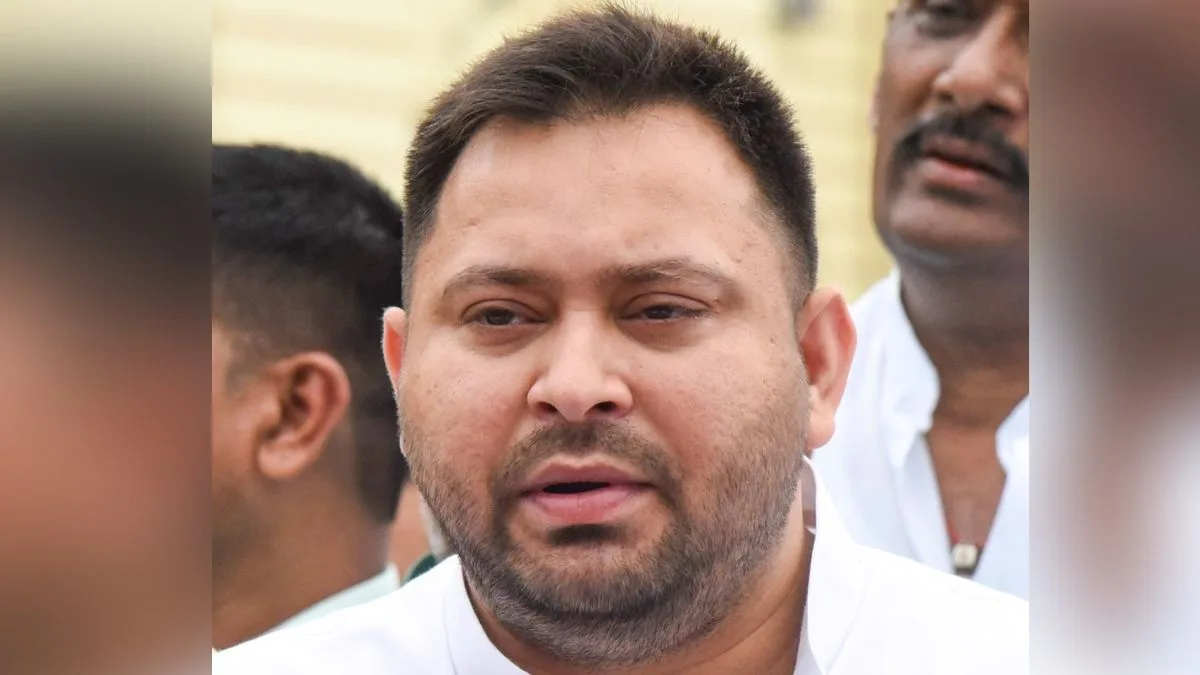
However, the ruling NDA has dubbed his stand as a political drama to mislead people of Bihar.
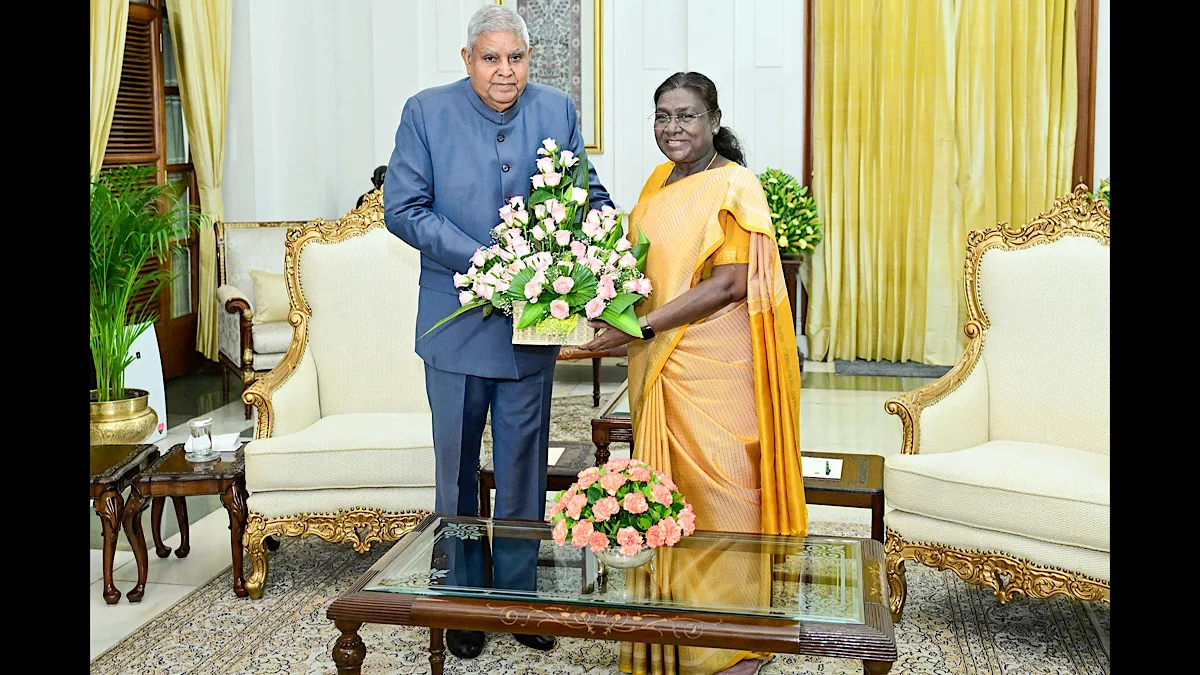
Following the sudden and unexpected resignation of Vice President Jagdeep Dhankhar, speculation is rife over his possible successor, with several names, including leaders from the BJP and NDA alliance partners, doing the rounds.

Traditional wisdom on environmental governance, captured through the Environment Kuznets curve, posits that countries grow first and clean up later. This empirical insight is informed by the experience of now developed countries which exploited the natural environment, at home and abroad, to feed the resource requirements of the growth process.