Nationalism and Secularism
Nationalism and secularism are the two basic constituents of modern India.
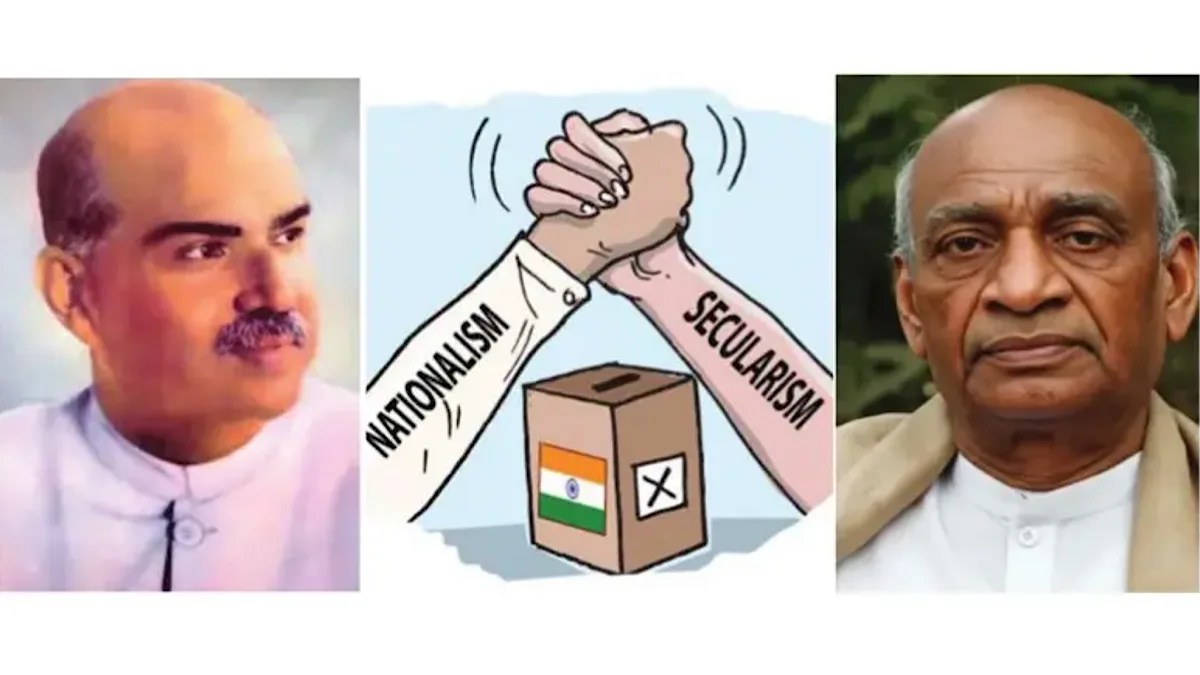
Nationalism and secularism are the two basic constituents of modern India.
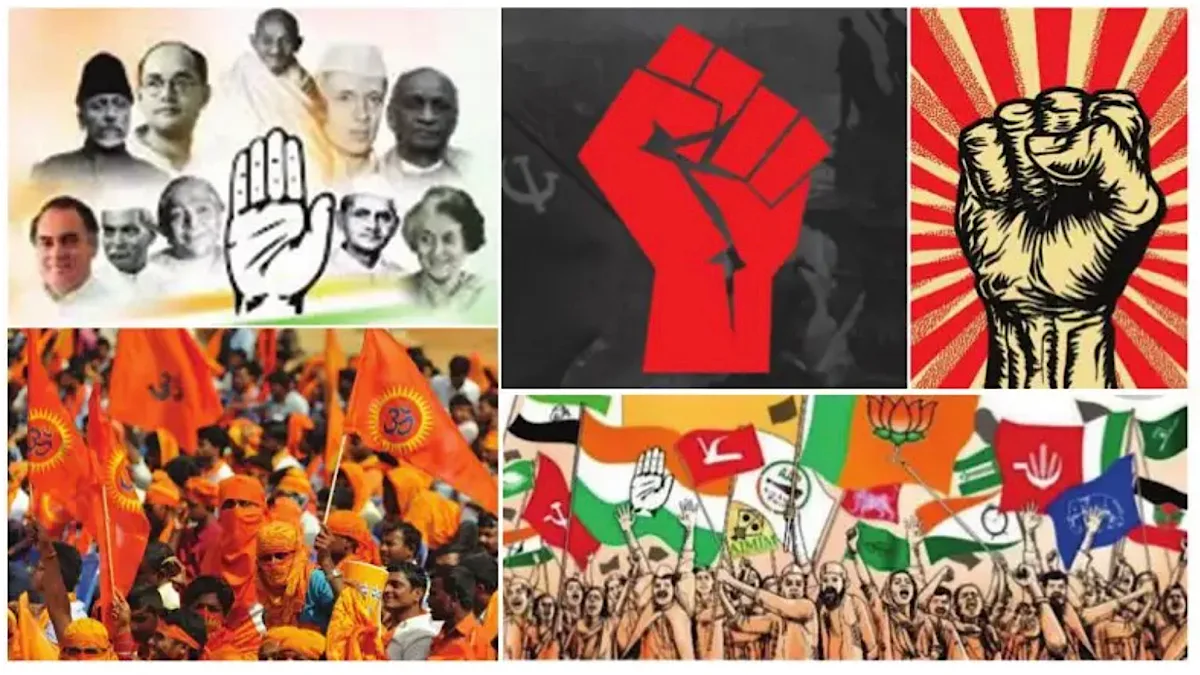
The greatest characteristic of Indian politics has been that ideological struggles here have always been multi-layered. Since the freedom movement, different conceptions of nationalism, secularism, socialism, cultural identity, and democracy have competed with one another.
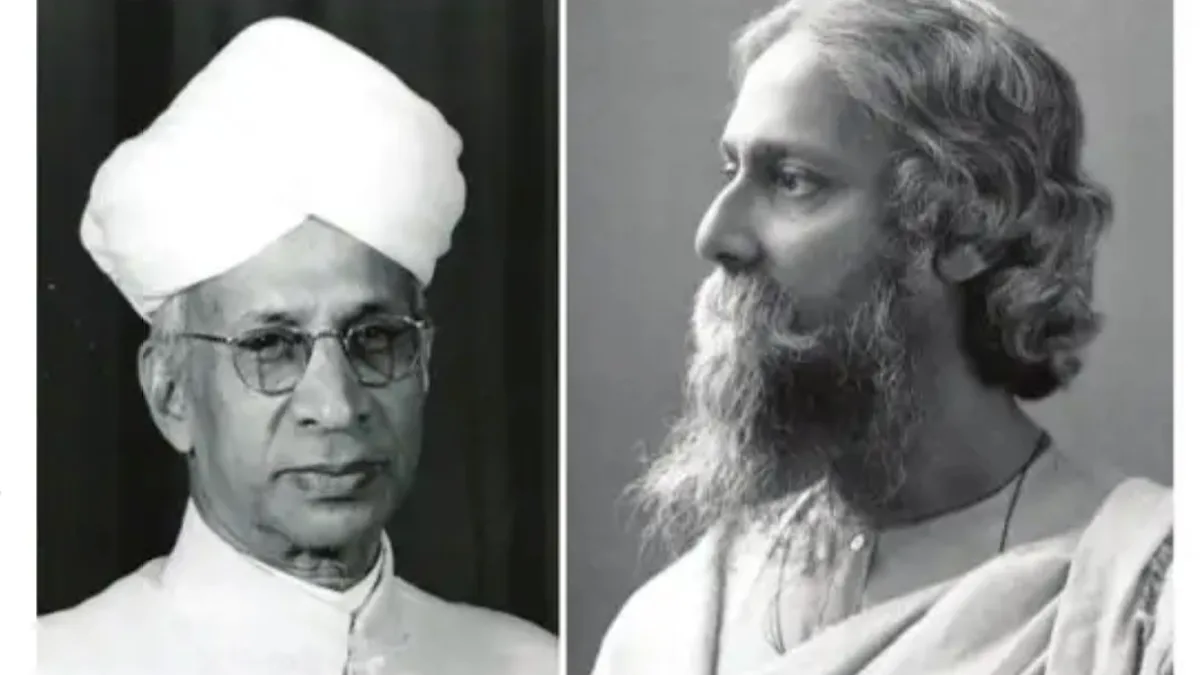
At a time when nationalism is once again hardening into moral certainty, and violence is routinely justified in the name of history, identity, or destiny, Rabindranath Tagore’s global vision speaks with unsettling clarity.
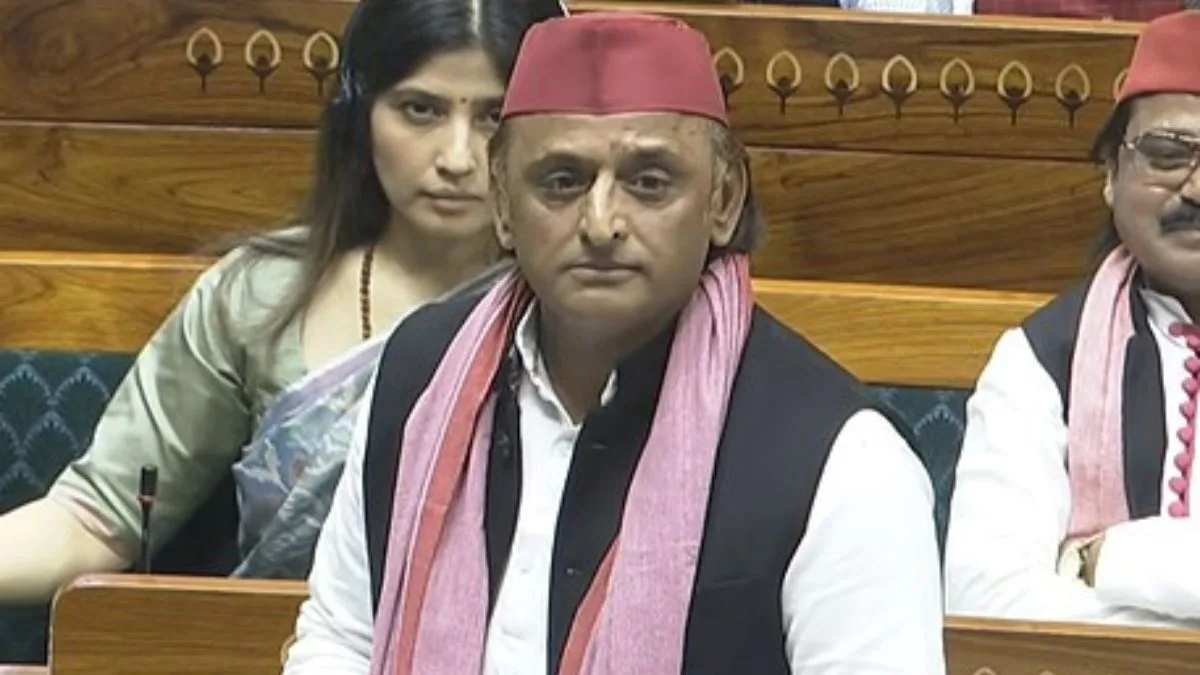
“The BJP operates on the policy of divide and rule. It is more important to live by the principles of Vande Mataram than merely singing it,” he said.

When Donald Trump returned to the White House in January 2025, many expected a revival of his emblematic economic nationalism. Few, however, foresaw his outrageous move to impose a $100,000 H-1B visa fee.

Welcoming the participants, Ravindra Kumar, editor of The Statesman and trustee of C R Irani Foundation, said that in journalism as much as in public life, any kind of criticism is seen as an absence of nationalism.
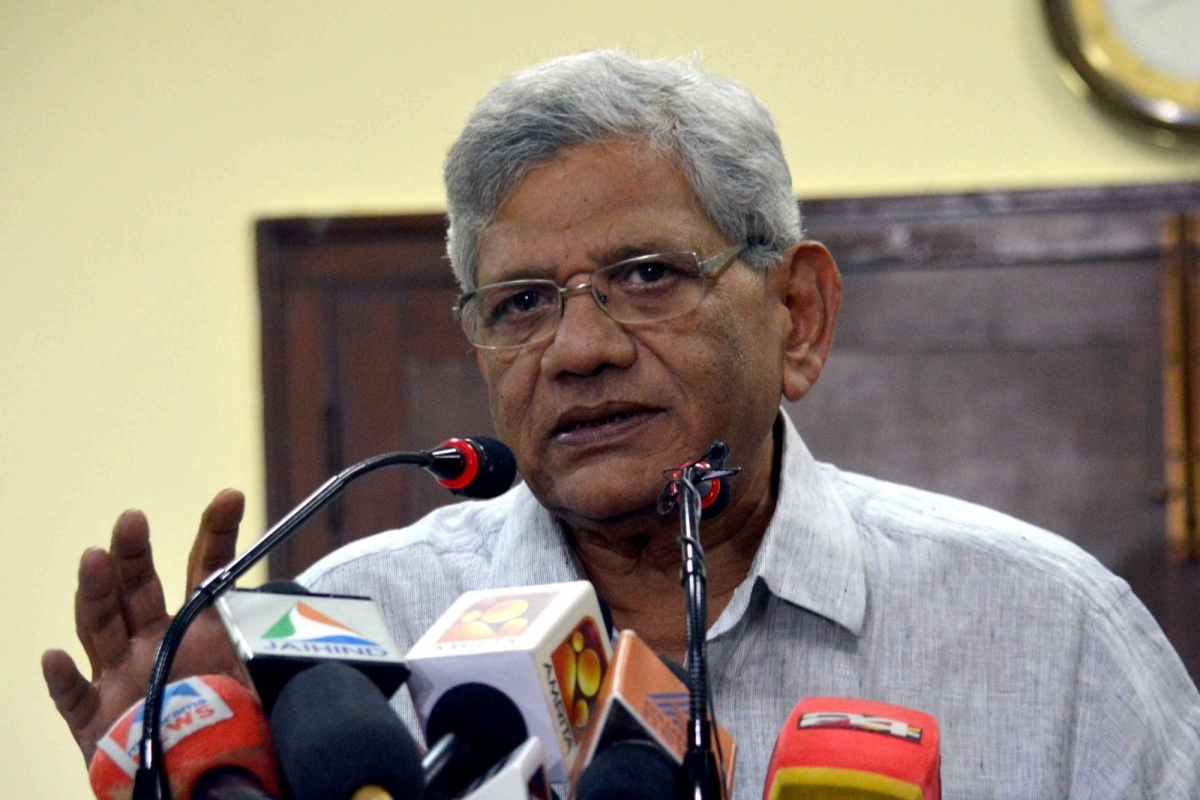
"It (BJP) is not scoring on ideology, it is scoring on whipping up communal passions, emotive passions," said Yechury.
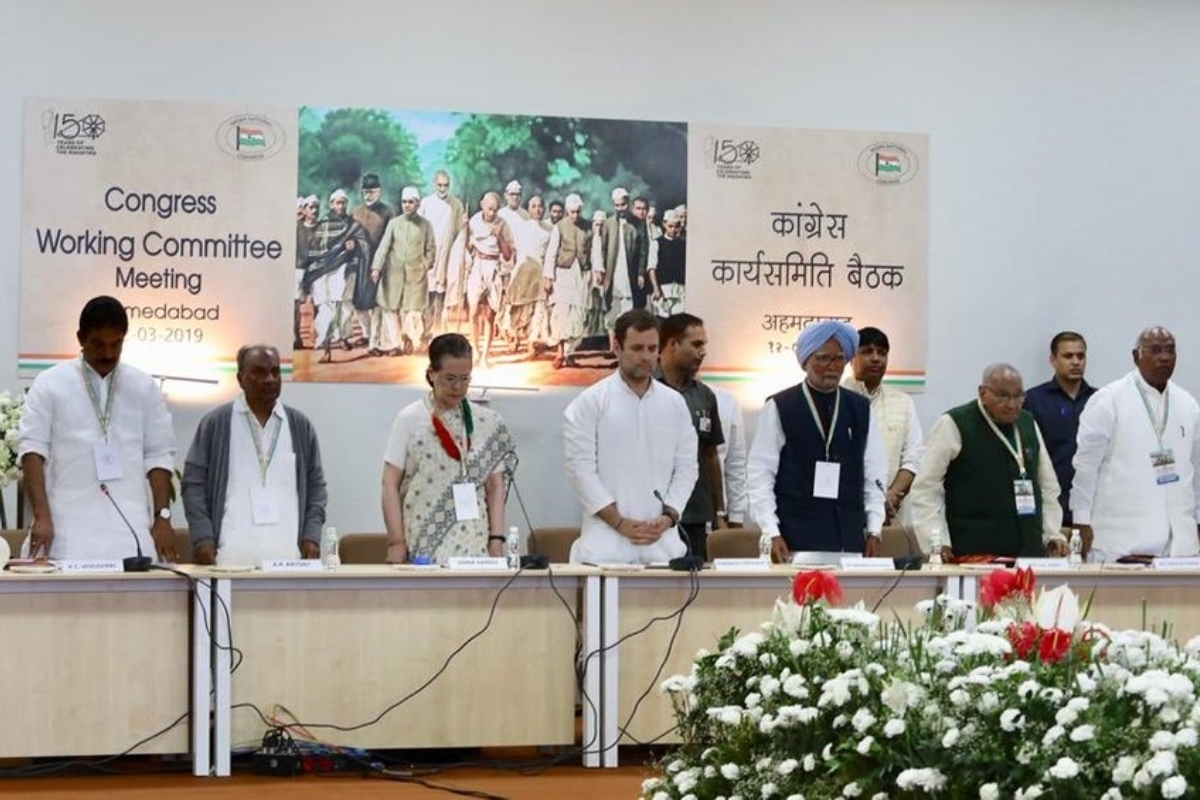
In its political resolution, the CWC said that Modi and the BJP were insulting the sacrifices and contribution in nation-building by leaders such as Mahatma Gandhi, Jawaharlal Nehru and Sardar Patel by "brazenly seeking to hijack their legacy".
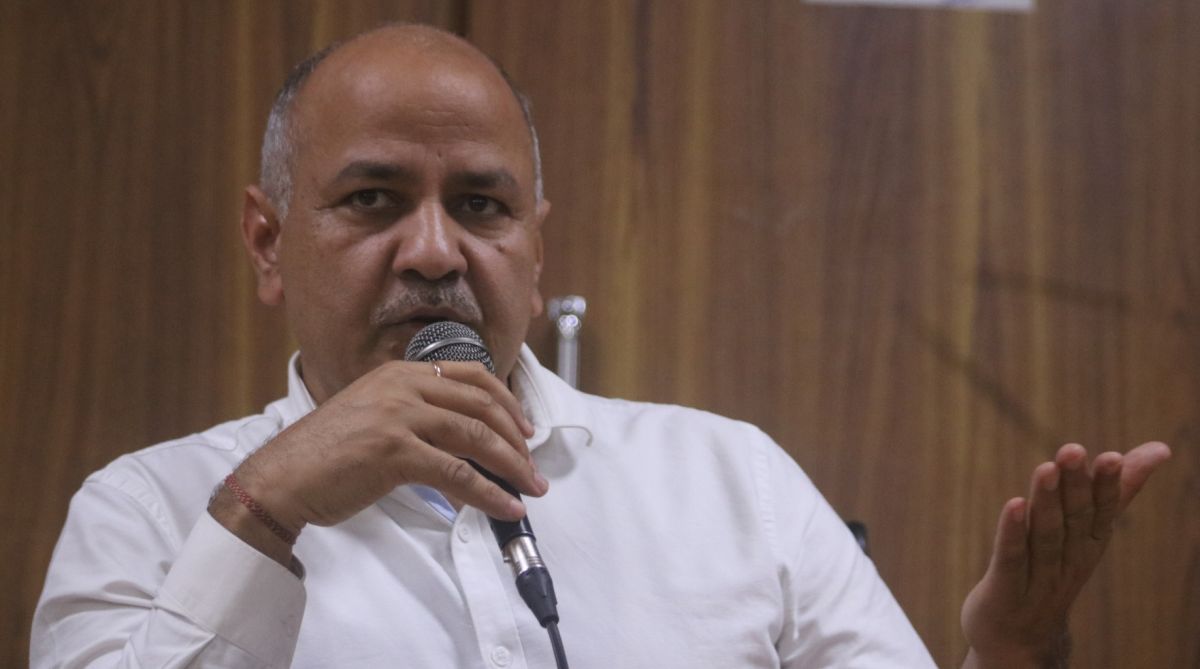
Sisodia, addresses educationists at the fifth convocation of Delhi Technological University (DTU), said the curriculum design teams of the top institutes should have something for introspection as they failed to make students the job creators.
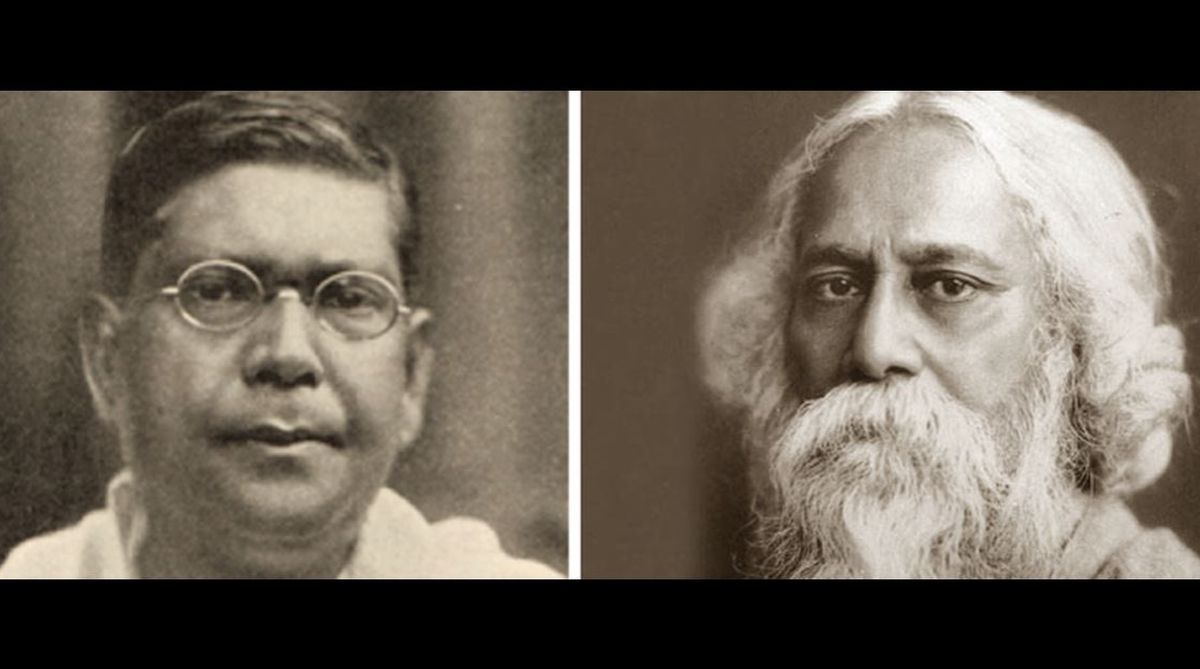
Except for his early days, Chittaranjan Das was known to be a bitter critic of Rabindranath Tagore.