Explainer: Why is India making it harder for ISRO scientists to resign?
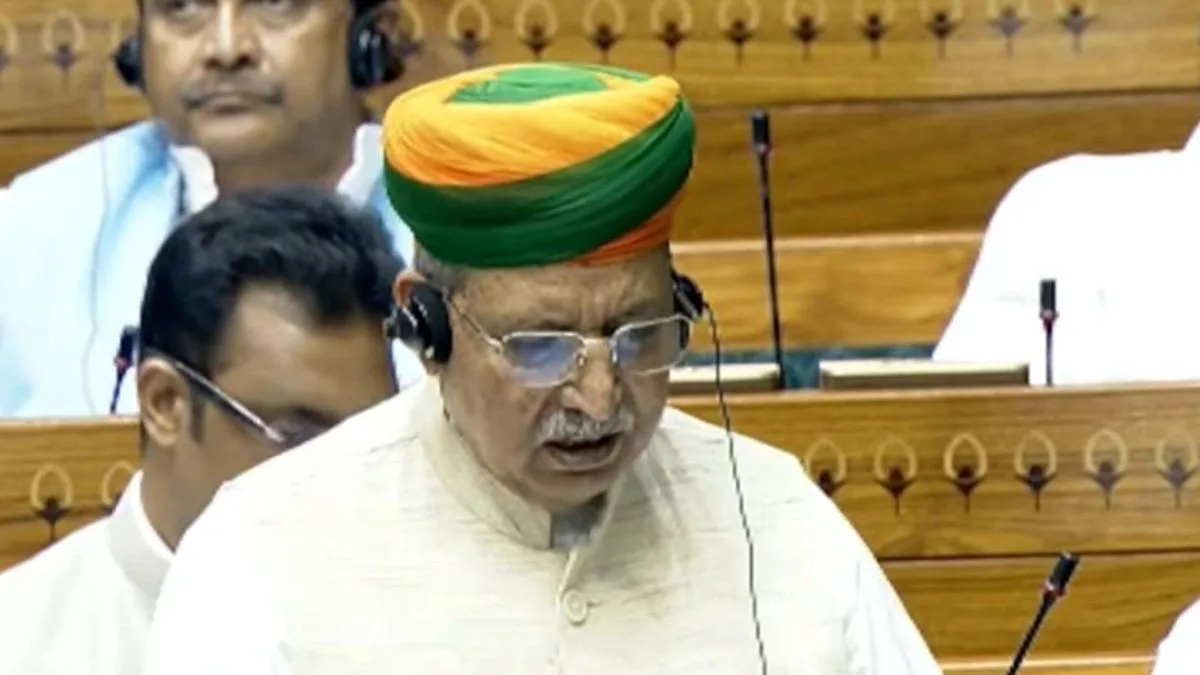
The memorandum, issued on July 14, was signed by SR Rajashekar, Joint Secretary (Personnel), Department of Space.
The memorandum, issued on July 14, was signed by SR Rajashekar, Joint Secretary (Personnel), Department of Space.
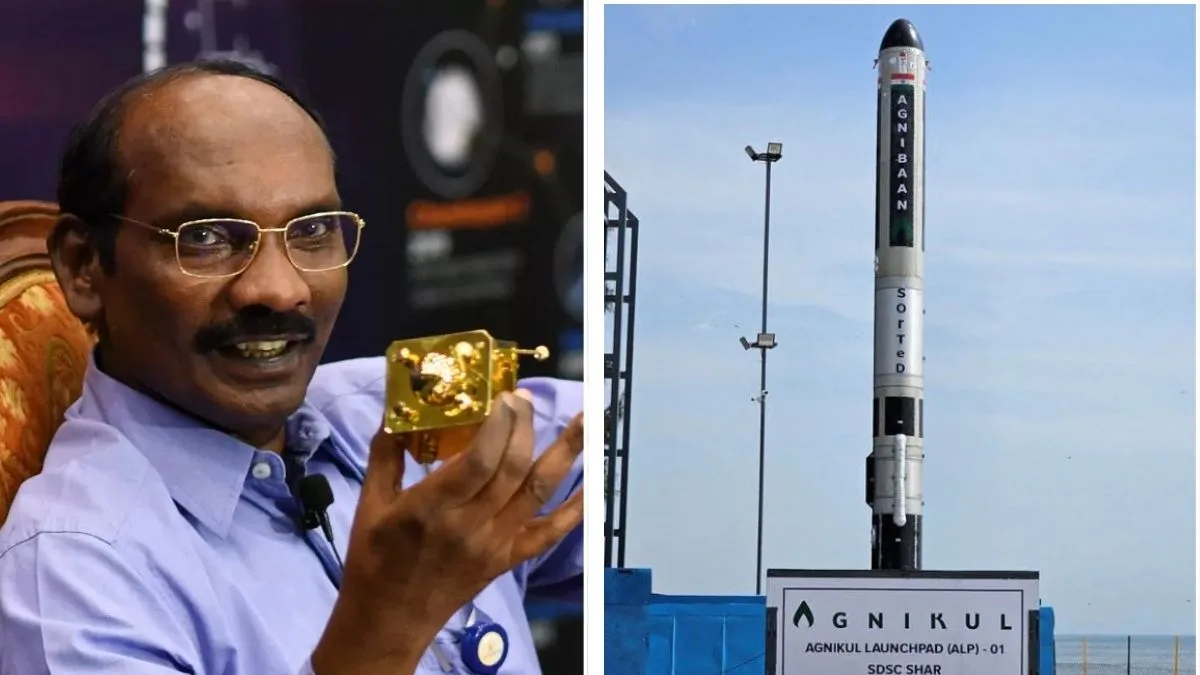
India's private space sector is preparing for a defining moment as Agnikul Cosmos targets technologies that could make rocket launches cheaper and more sustainable.
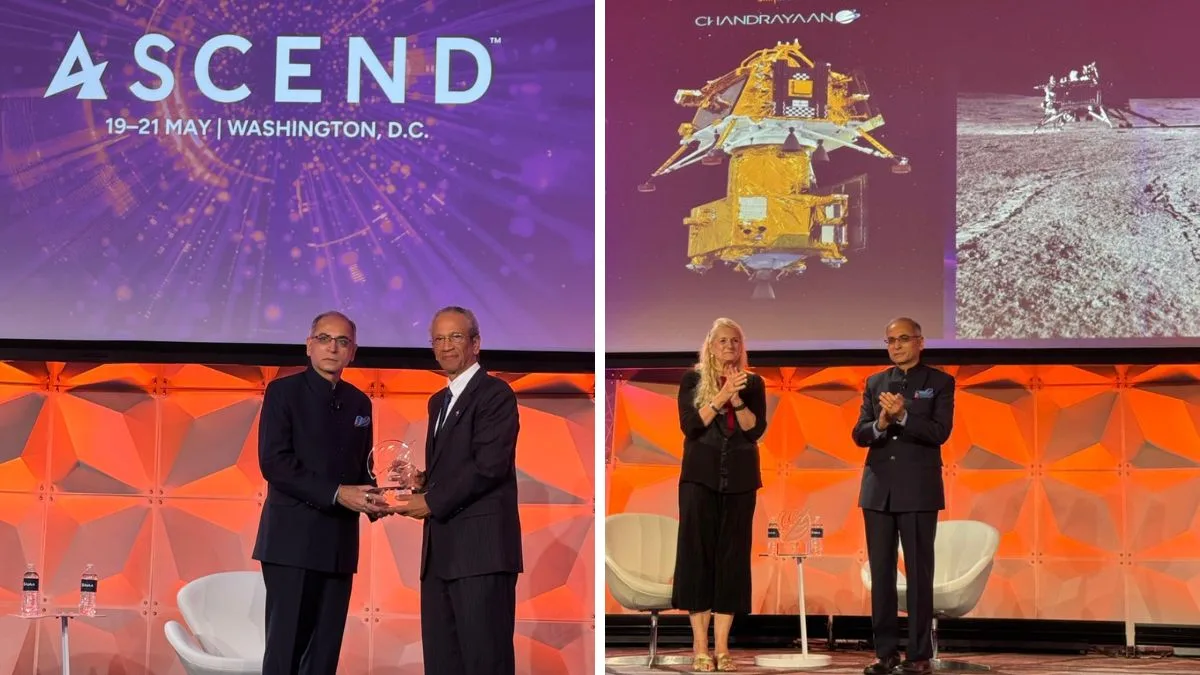
Chandrayaan-3’s successful Moon south pole landing has earned India one of the world’s most prestigious astronautics honours at a major conference in Washington DC.
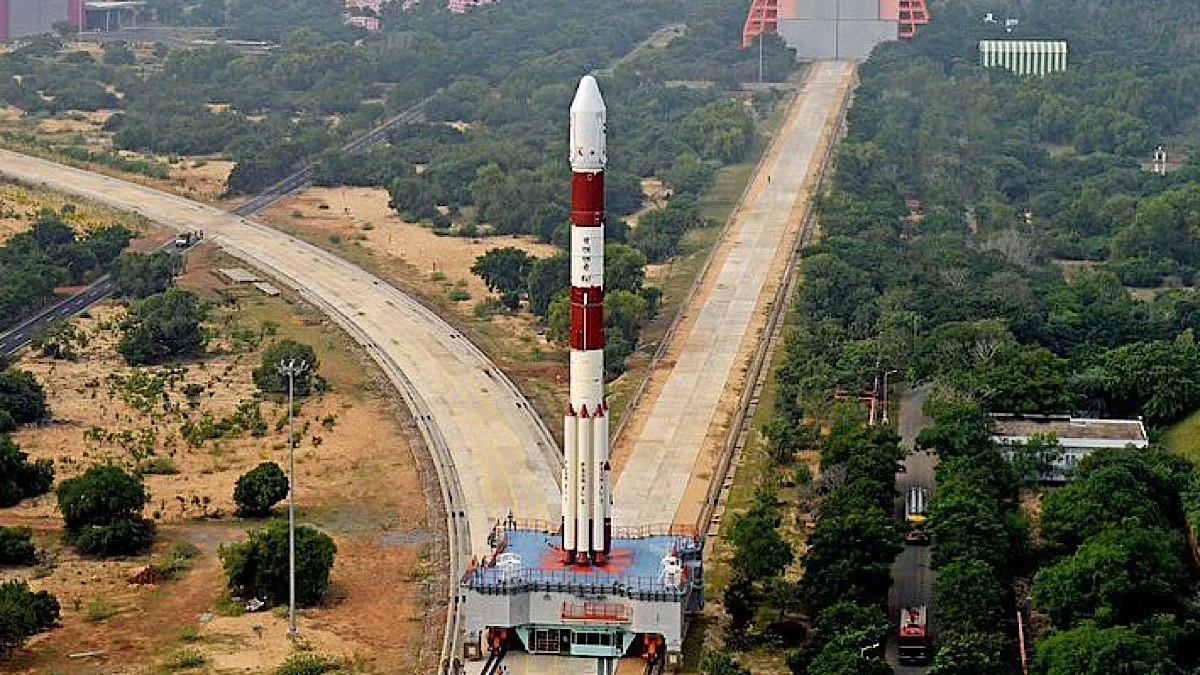
A two-member committee has been formed by the Indian government to probe the recent failure of the rocket Polar Satellite Launch Vehicle (PSLV) that carried the country’s strategic satellite, it is reliably learnt.
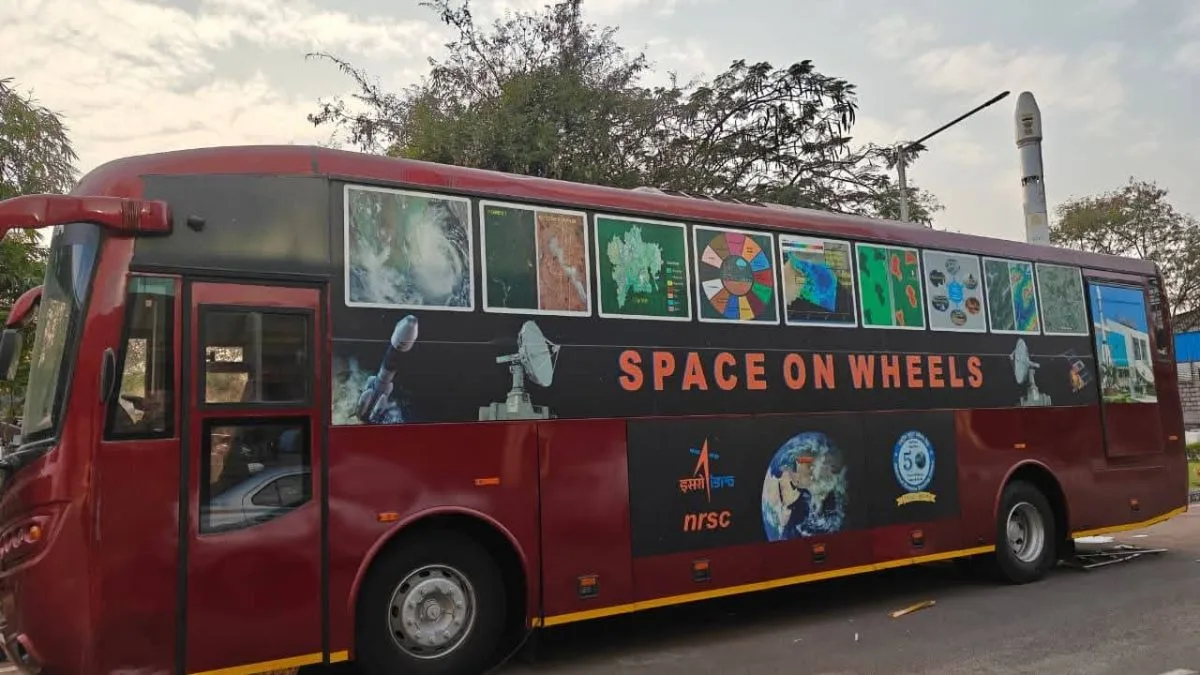
A state-of-the-art travelling exhibition, Space on Wheels, showcases ISRO’s journey, major scientific milestones, and India’s achievements in space science and technology
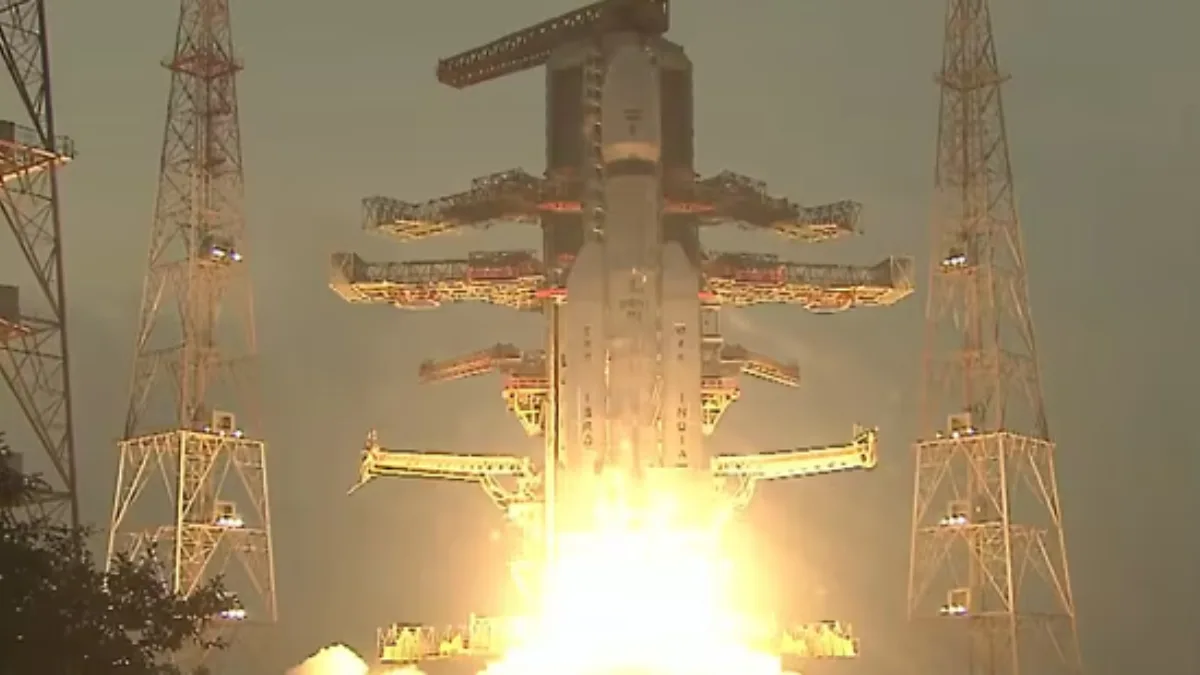
CMS-03 is built to serve India for at least 15 years, offering strong and reliable communication services across the country and surrounding ocean regions. This means better internet, better communication links for disaster response and stronger support for national services.
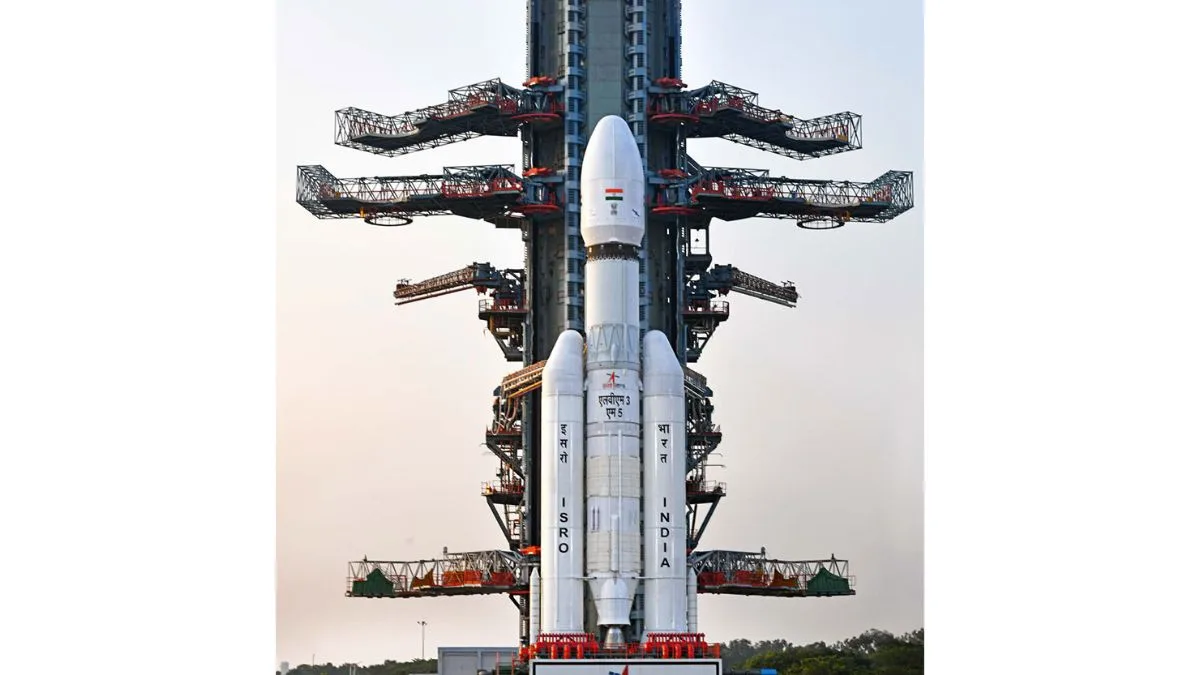
The launch of the Indian Navy's 4,400-kg communication satellite is scheduled for 5:26 pm from the second launch pad of the Satish Dhawan Space Centre in Sriharikota.

The first fully indigenous 32-bit microprocessor, called 'Vikram,' has been developed by ISRO’s Semi-conductor Laboratory (SCL).
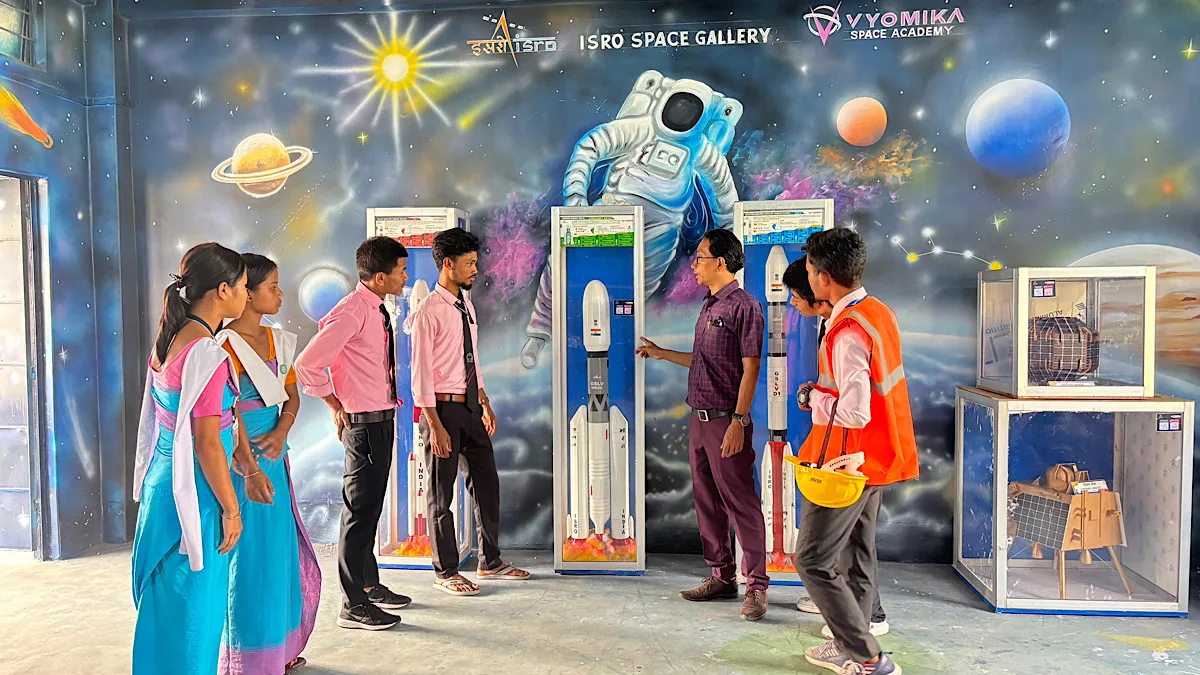
As the Bodoland Territorial Region (BTR) heads towards its council elections, the spotlight is turning to what the incumbent administration has delivered on the ground.

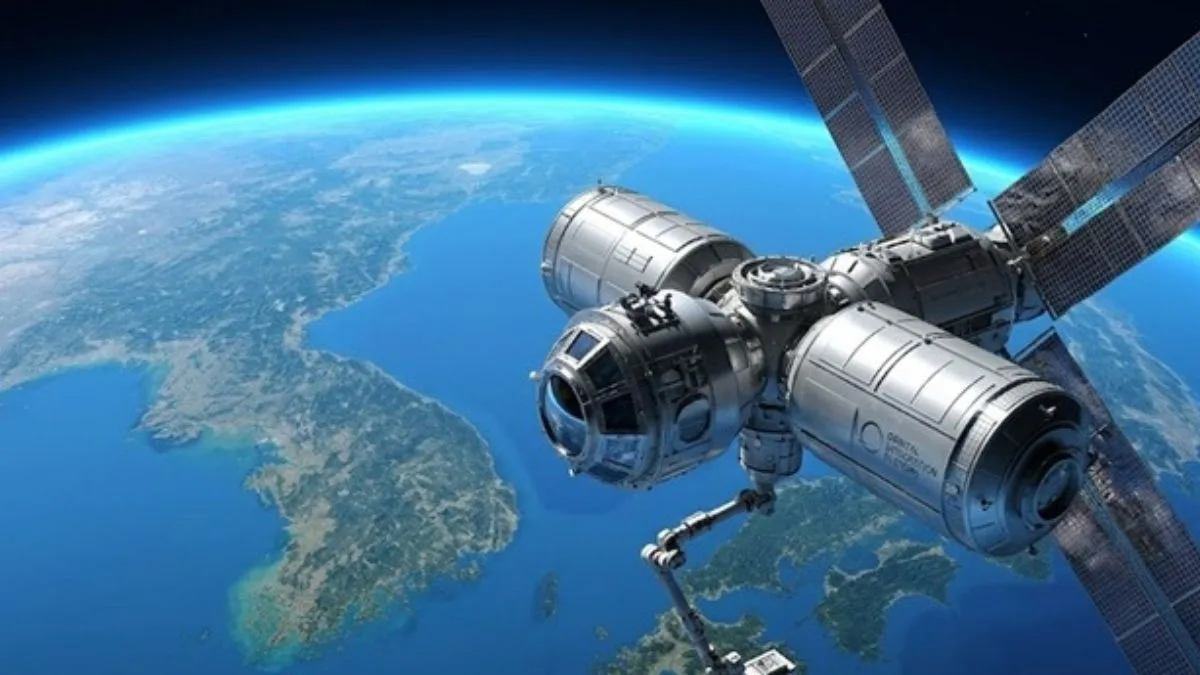
The agency aims to launch the first module of India’s space station by 2028, targeting the full station's operation by 2035.