US-Israel-Iran LIVE Updates: Australia pushes de-escalation; Trump rejects Hormuz toll plan
Shipping resumes through a key oil route, but military pressure, political messaging and ongoing negotiations signal that the crisis is paused, not resolved.

Shipping resumes through a key oil route, but military pressure, political messaging and ongoing negotiations signal that the crisis is paused, not resolved.

Diplomacy flickers amid pressure as Europe prepares a postwar Hormuz plan, UN flags global risks, and parallel negotiations widen the crisis beyond battlefield lines.

Backchannel diplomacy, nuclear red lines and fresh warnings dominate developments as global powers scramble to hold a fragile ceasefire together ahead of critical talks.

As the US deadline approaches, both sides harden positions with warnings, military operations and global concerns over oil routes, signalling a critical turning point in the conflict.

Strikes intensify, diplomacy stalls and global oil routes face pressure as fresh developments unfold across the US-Israel-Iran conflict with no immediate path to de-escalation.

"The assassination of such a figure undoubtedly shows the extent of his importance and the hatred of the enemies of Islam towards him," the new Iranian Supreme Leader said.
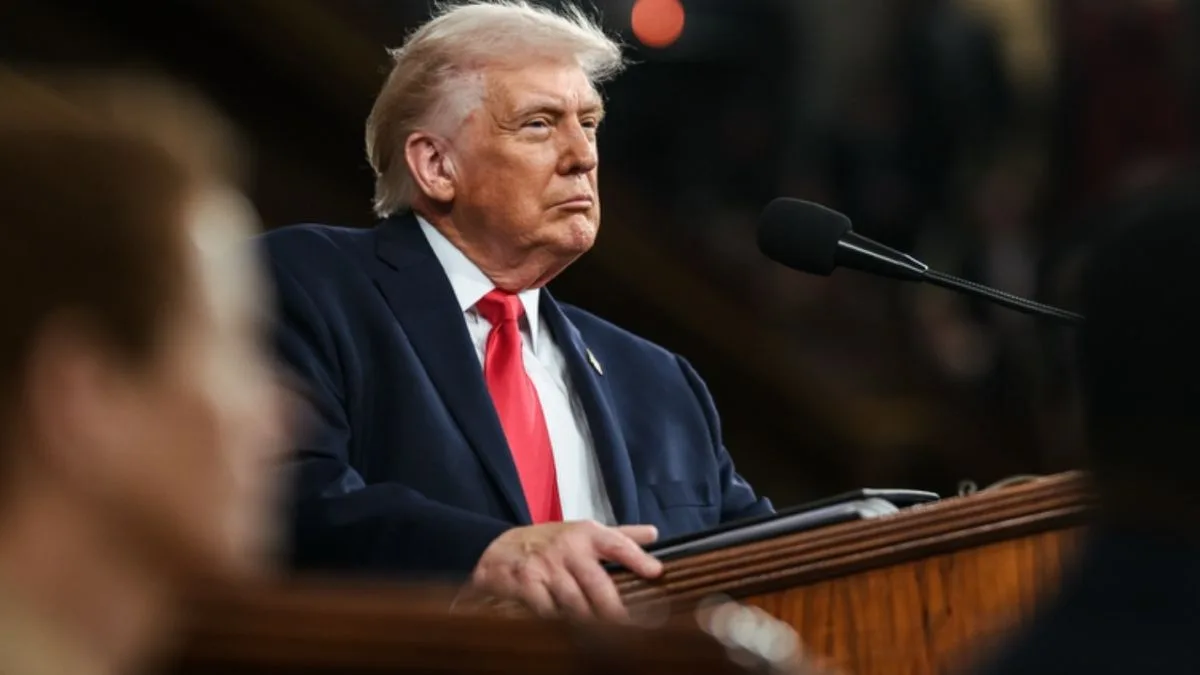
Oil prices have surged past USD 100 as tensions escalate around the Strait of Hormuz, prompting Washington to seek naval support from countries heavily dependent on Gulf energy shipments.
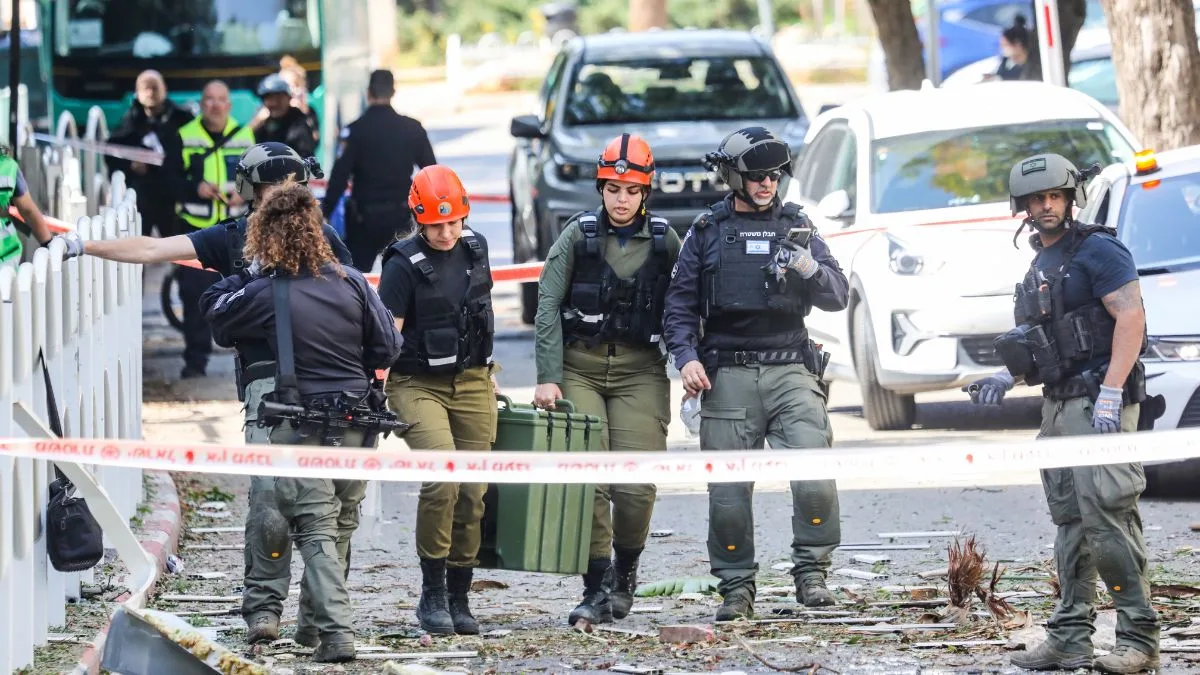
However, domestic financial markets have been supported by RBI interventions such as smoothing of G-sec yields and management of rupee volatility.
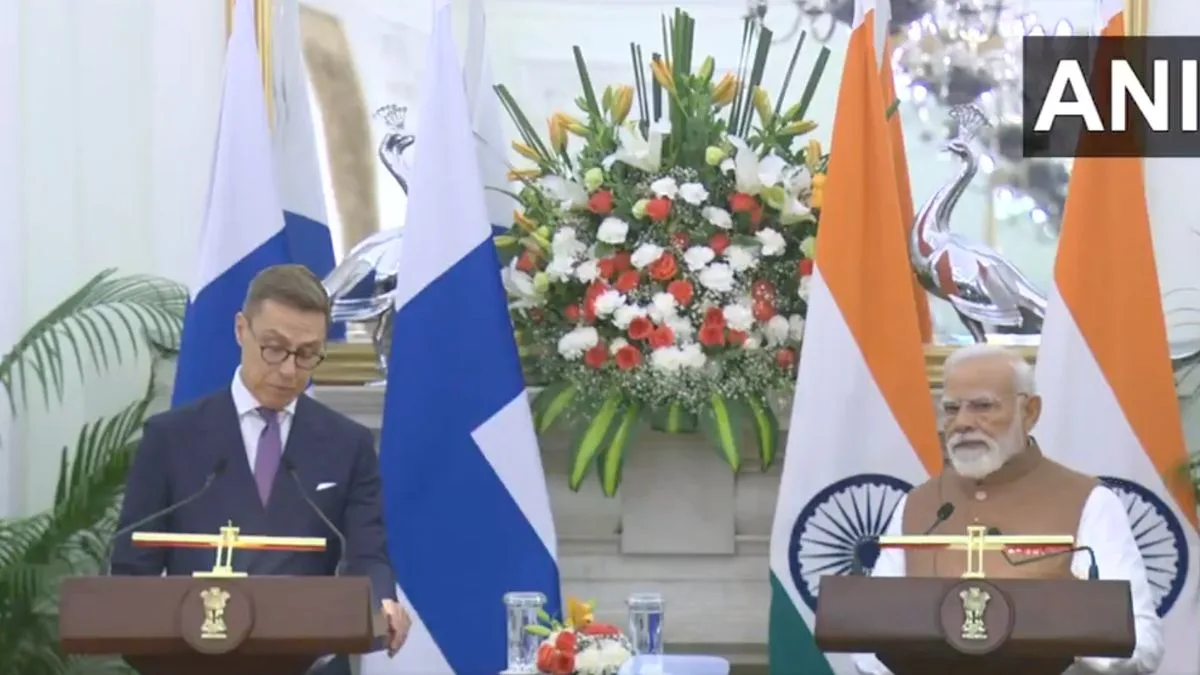
India and Finland emphasised diplomacy and global peace while also highlighting expanding collaboration in emerging technologies, trade and sustainability during talks between Prime Minister Narendra Modi and President Alexander Stubb.
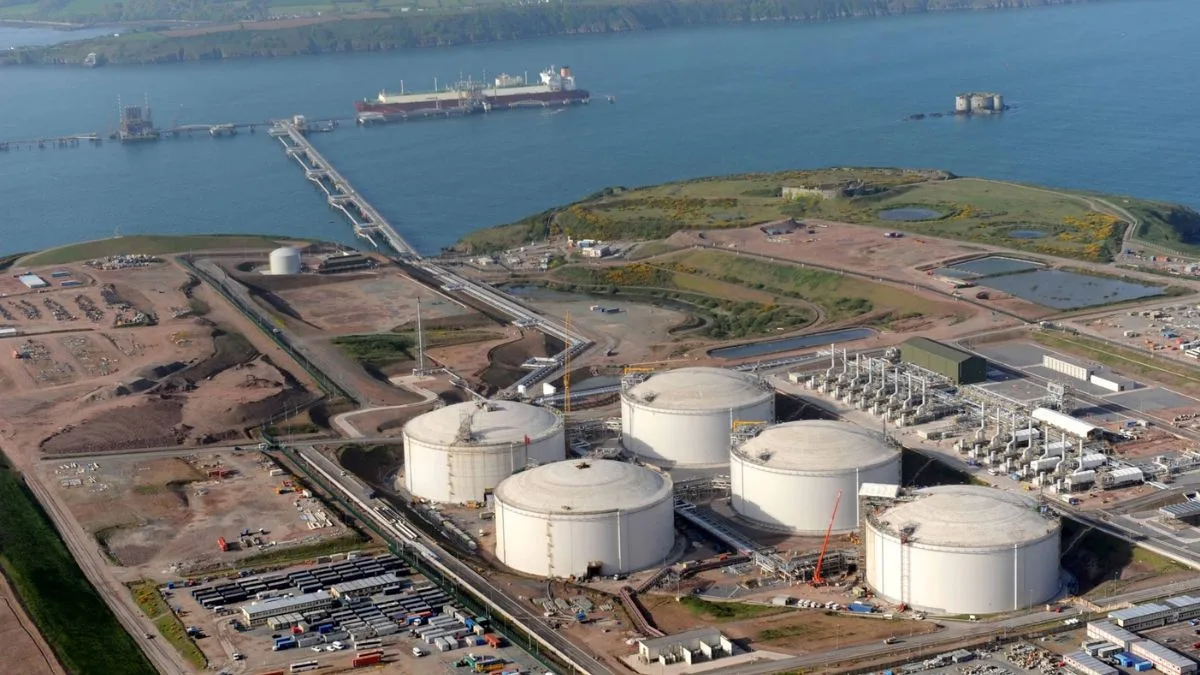
QatarEnergy’s force majeure declaration and disrupted Middle Eastern exports are tightening global gas supplies, sending LNG prices higher and forcing Asian industries to cut fuel use.