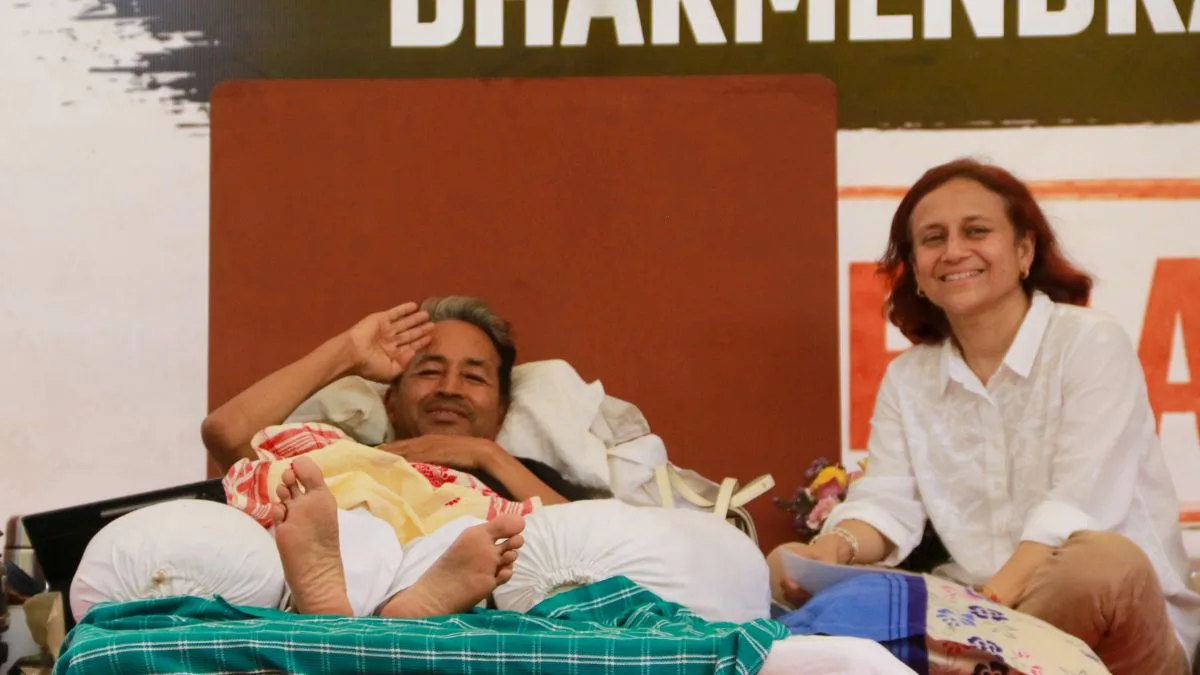
In Abeyance~II
Regardless of the controversy justifying the suspension of the Indus Waters Treaty, India’s obligation under international law remains.

Regardless of the controversy justifying the suspension of the Indus Waters Treaty, India’s obligation under international law remains.

The United Nations’ top court, the International Court of Justice (ICJ), on May 24 issued new provisional measures ordering Israel to “immediately” halt its military offensive in Rafah, which broke out after Hamasled attacks in October last year, killing 1,200 Israeli people, and taking roughly 250 hostages.

The ruling read aloud by Judge Nawaf Salam at the International Court of Justice (ICJ) in The Hague was in response to an urgent application submitted by South Africa.
He called on countries to increase pressure for the implementation of the court's order and to reconsider their decisions regarding funding the agency, emphasising the urgency of bold actions to prevent famine in Gaza.
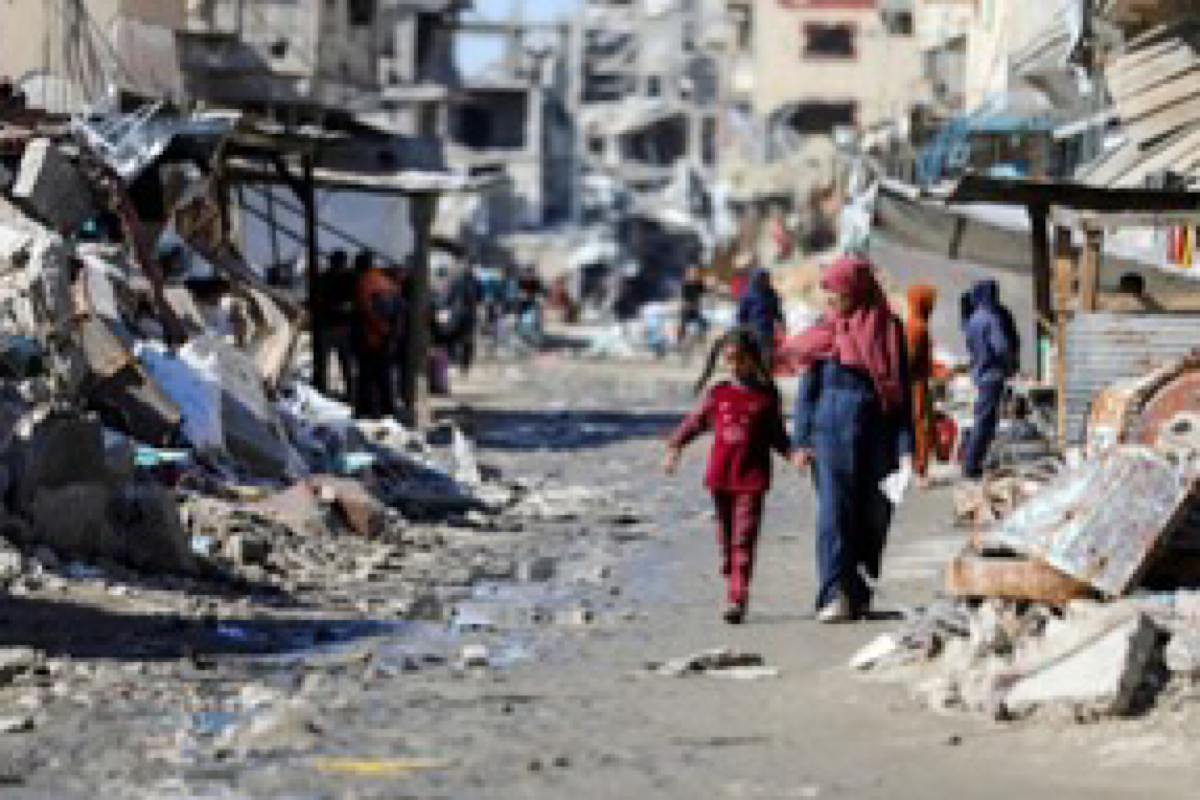
The International Court of Justice (ICJ) in The Hague has ordered Israel to do whatever is necessary to ensure that basic aid reaches the Palestinian population in the Gaza Strip.
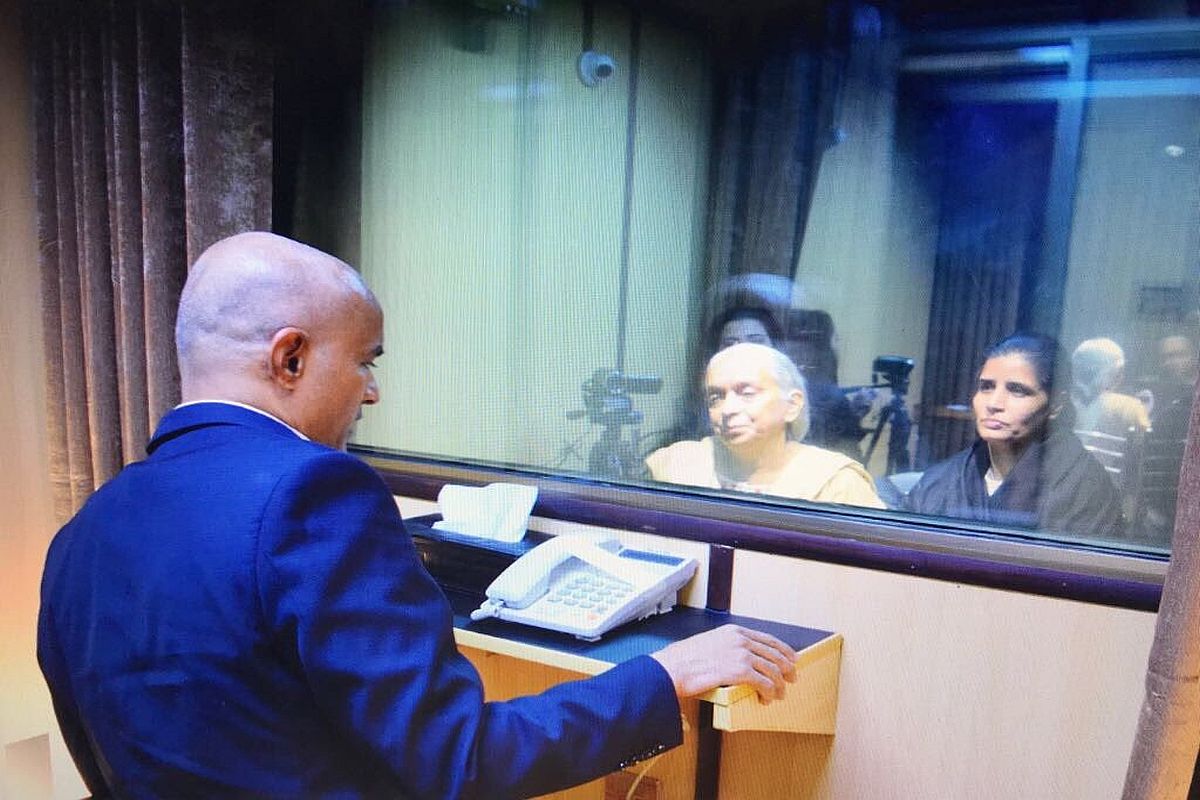
In a huge victory for India, the ICJ on July 17 ordered Pakistan not to execute Kulbhushan Jadhav and directed 'effective review and reconsideration' of his conviction and the sentence awarded to him by a military court.

Pakistan Ministry of Foreign Affairs had on Sunday informed that consular access to Jadhav will be provided today in line with the Vienna Convention on consular relations, International Court of Justice (ICJ) judgement and the laws of Pakistan.
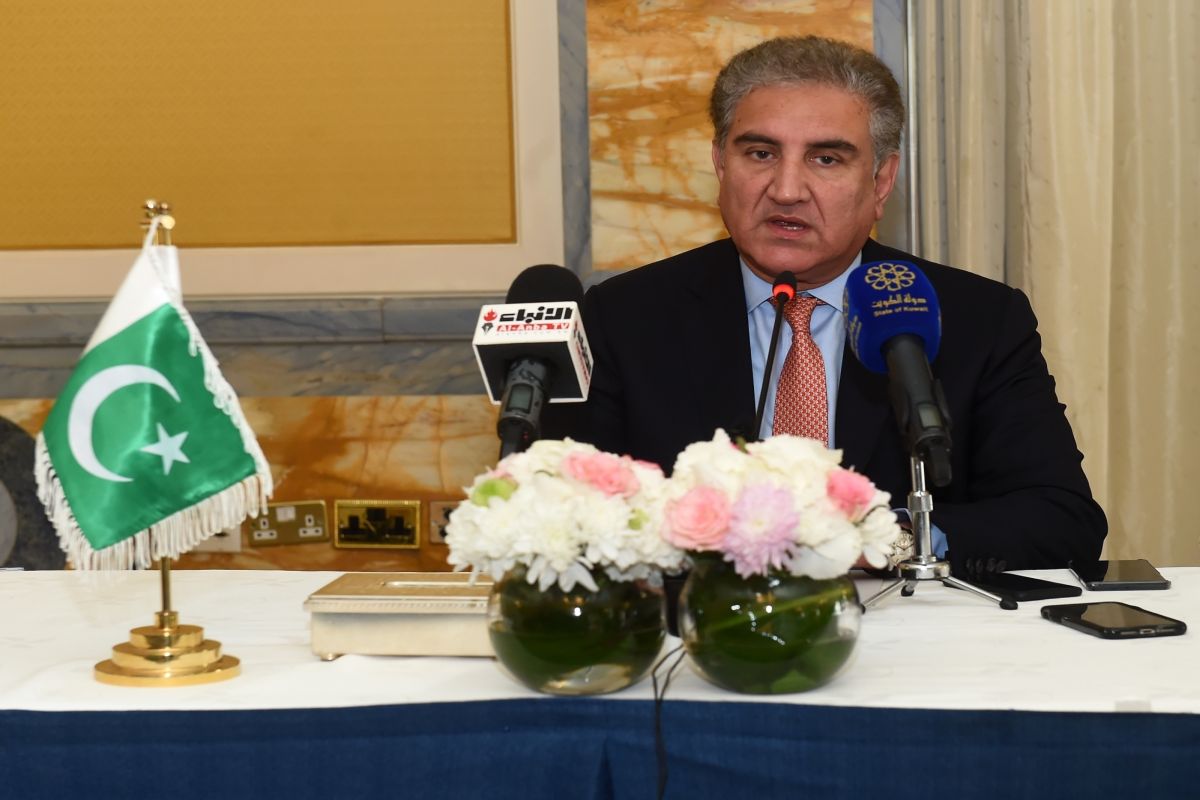
Pakistan had last week approached the United Nations Security Council (UNSC) to raise the issue after China had formally asked for closed consultations in the United Nations Security Council to discuss India revoking the special status to Jammu and Kashmir.
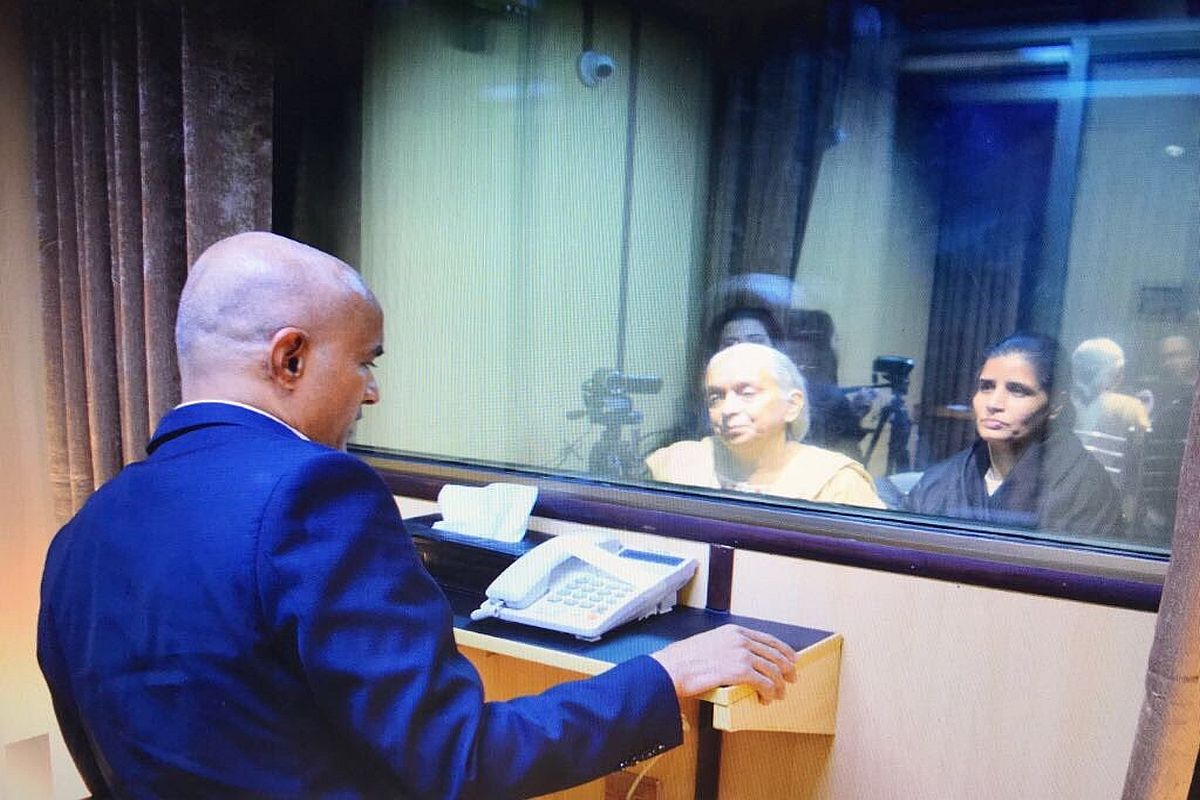
In a huge victory for India, the ICJ on July 17 ordered Pakistan not to execute Kulbhushan Jadhav and directed it to grant consular access to Jadhav 'without further delay'.

The judgment of the International Court of Justice reaffirms wellestablished principles, say JOYEETA BANERJEE & RAJDEEP BANERJEE.