India’s Invisible Environmental Crisis: Lessons from Murshidabad’s Disappearing Wetlands
In the early hours of a winter morning in Murshidabad, elderly fishermen still speak of a time when the wetlands seemed endless.
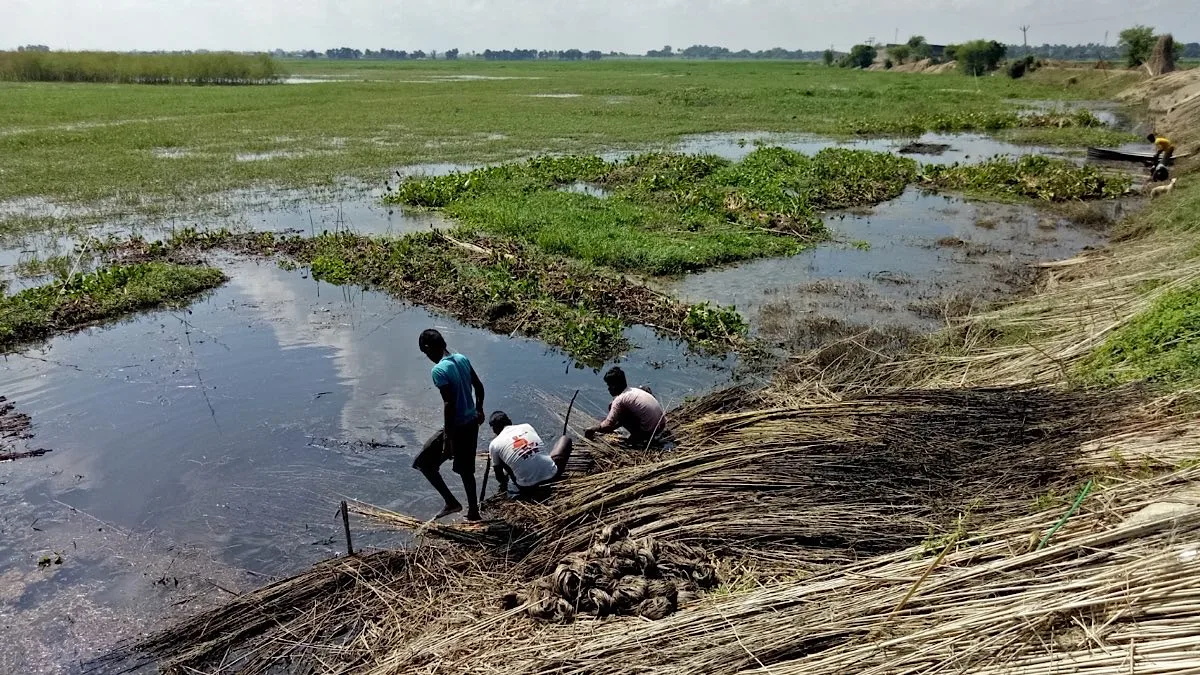
In the early hours of a winter morning in Murshidabad, elderly fishermen still speak of a time when the wetlands seemed endless.
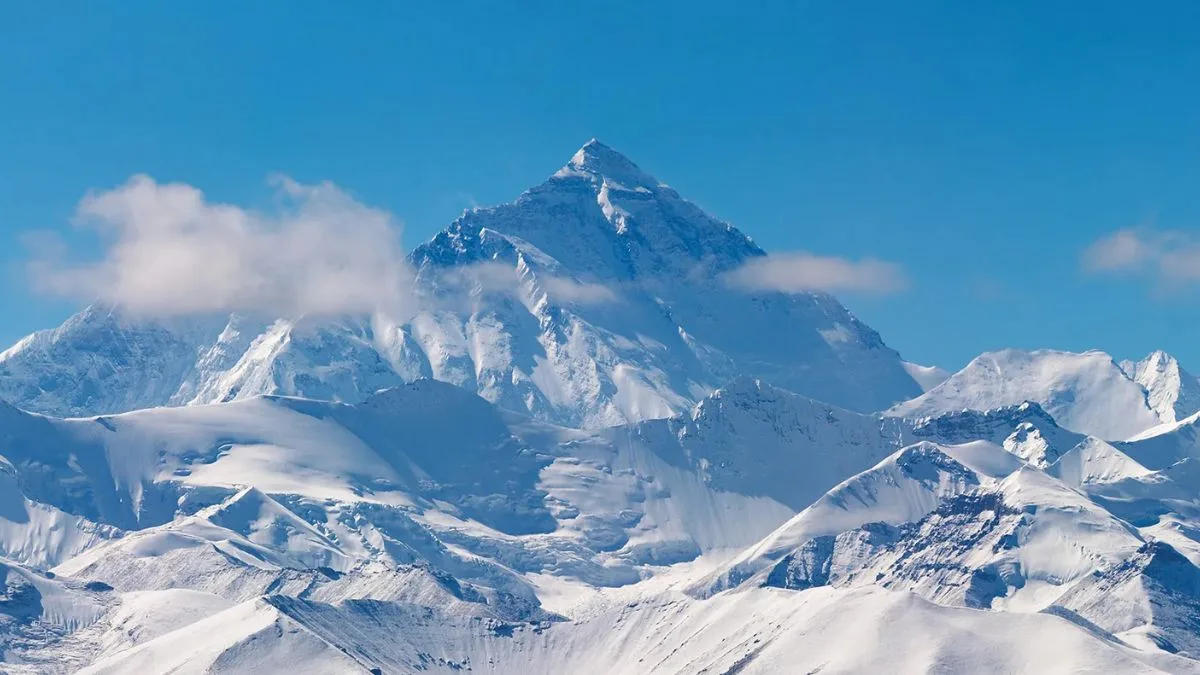
According to information shared by the Dehradun Meteorological Department and a study report by the expert organisation Climate Trend, the duration and intensity of heatwaves have increased, while cold waves have declined during this period.

By the end of this century, up to two-third of all glaciers worldwide could disappear – an alarming scenario that threatens the future of water supply in many places.
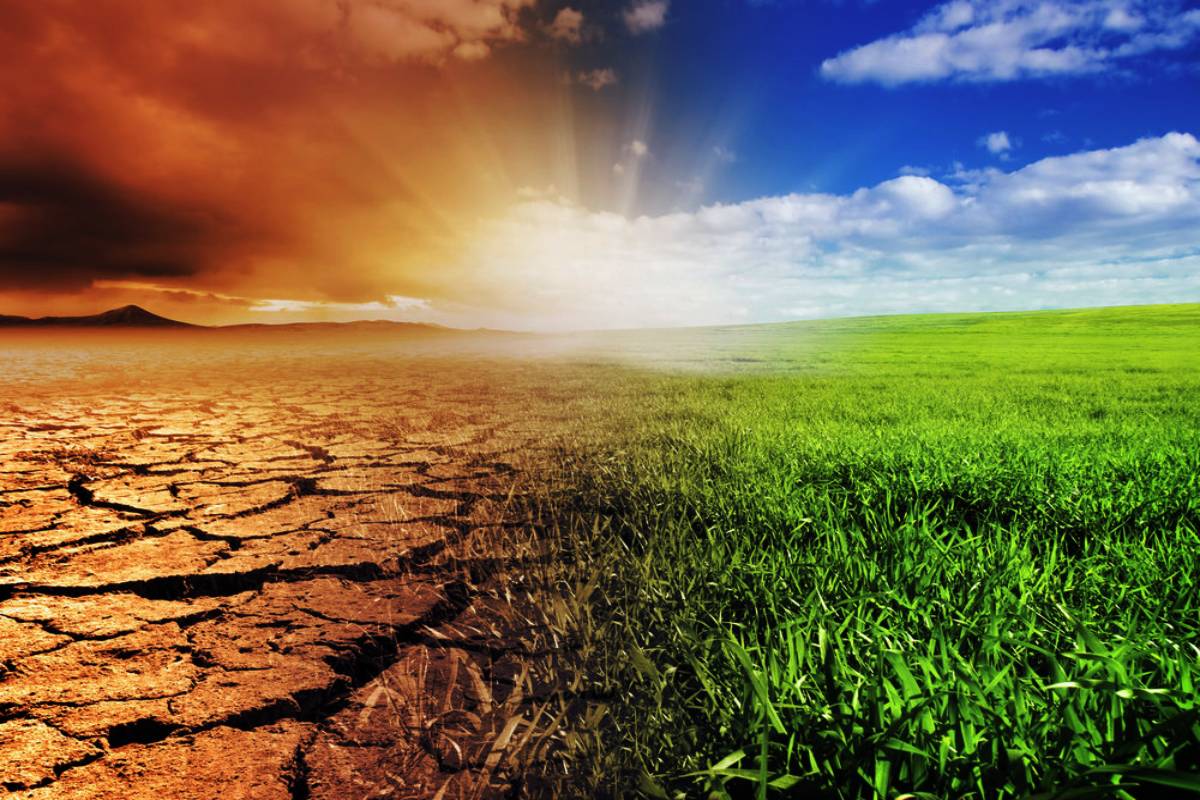
The current global climate emergencies and heartwrenching plight of a vast number of people in different countries and particularly India clearly demonstrate how far humanity has strayed from the wise counsel of our sages and seers of the past.
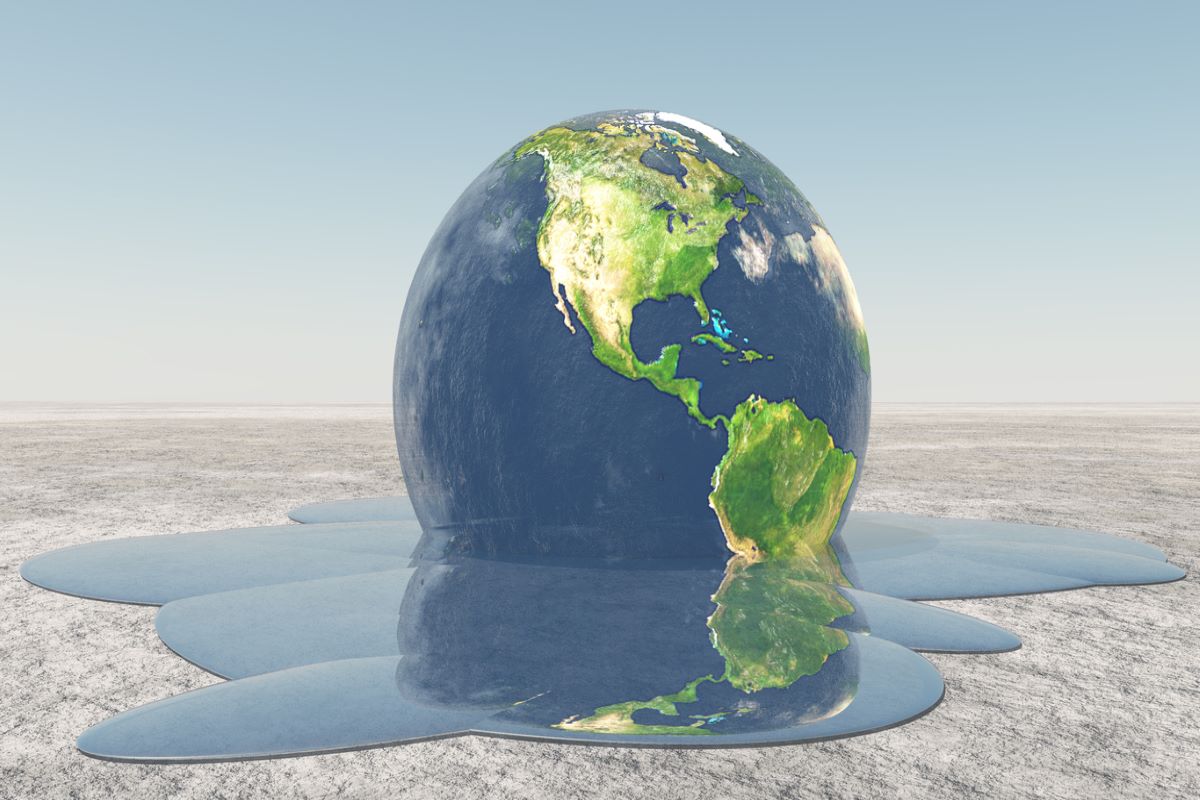
A recent UN climate panel report and the Russian attacks on Ukraine’s nuclear plants do not offer much hope. Unless we think of more radical solutions, eco-shaming may not be enough to prevent us from facing a catastrophic future.
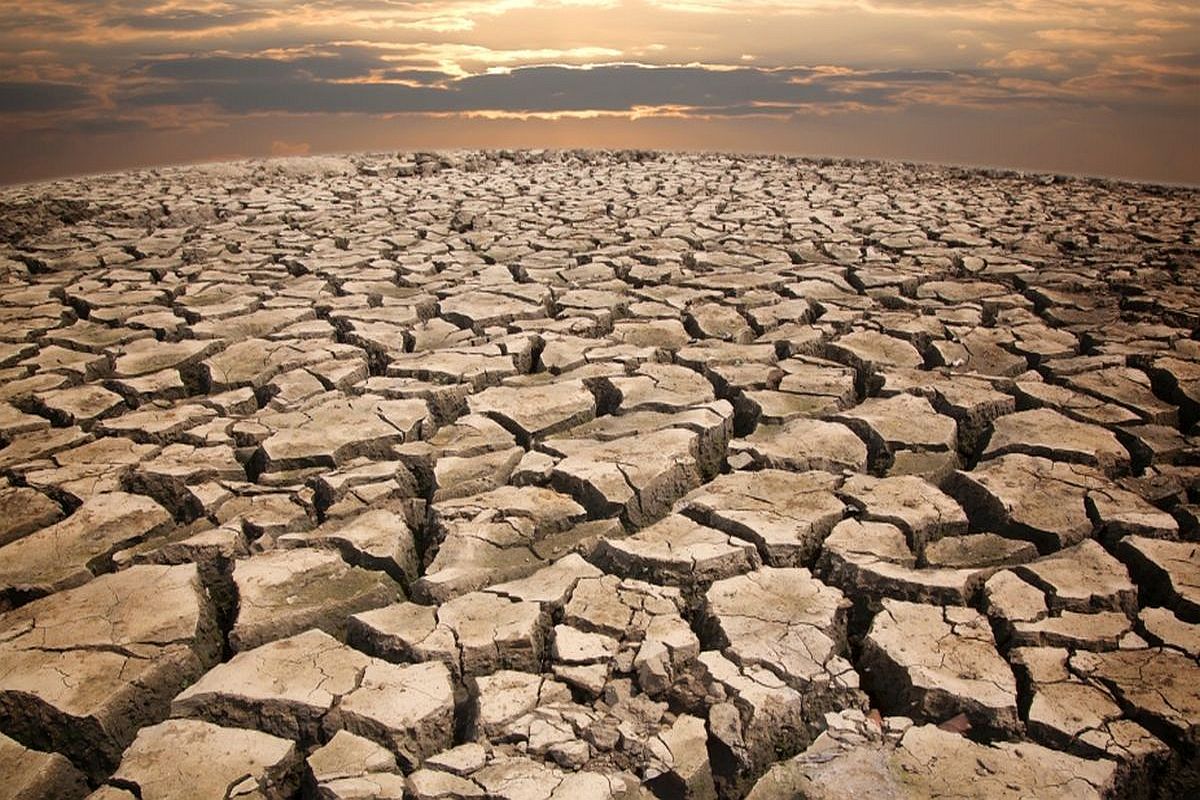
A common scientific theory opines that changing rainfall patterns as a result of climate breakdown is a key driver of drought, but the report also identifies the inefficient use of water resources and the degradation of land under intensive agriculture and poor farming practices as playing a major role.
The CO2 emissions, riding on the increasing demand for coal in electricity generation, will increase by almost 5 per cent in 2021 to 33 billion tonnes. Asia, more specifically China, is set to lead the demand for coal by more than 80 per cent, in 2021.