Explainer: Why UAE’s OPEC exit could tilt the oil game in India’s favour
UAE’s decision to exit OPEC could reshape oil supply dynamics, opening room for India to secure better prices, reduce costs and strengthen long-term energy partnerships.
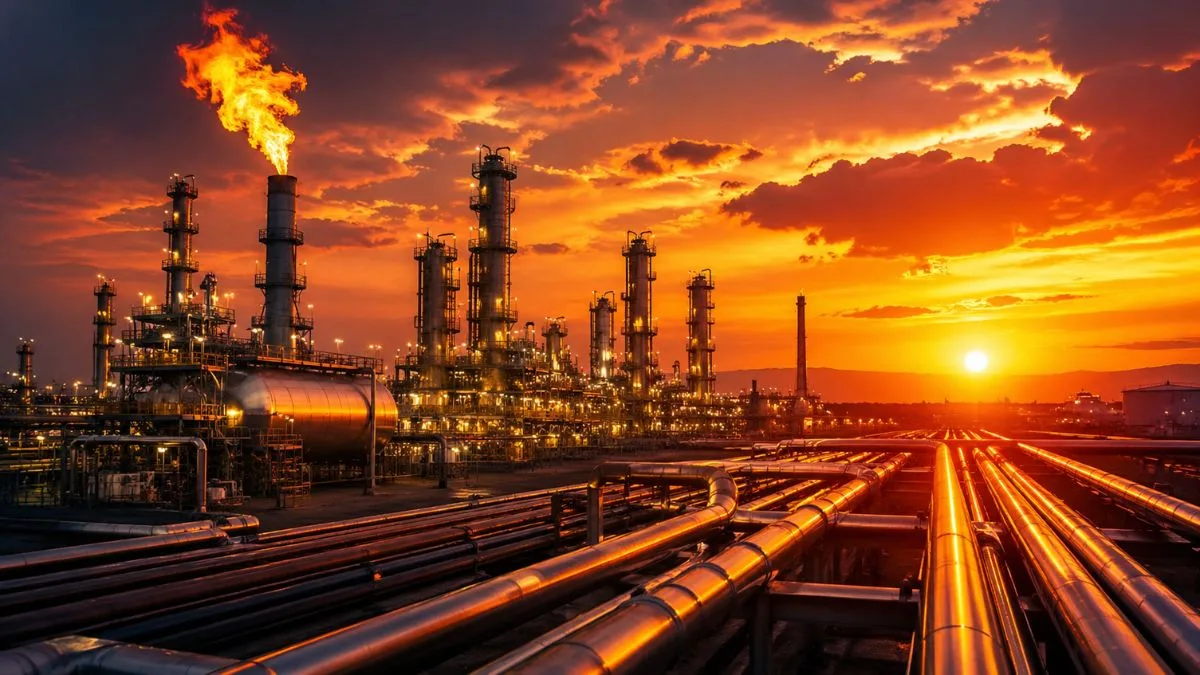
UAE’s decision to exit OPEC could reshape oil supply dynamics, opening room for India to secure better prices, reduce costs and strengthen long-term energy partnerships.

A slowdown in core infrastructure sectors is often treated as a passing statistical blip. It rarely is.
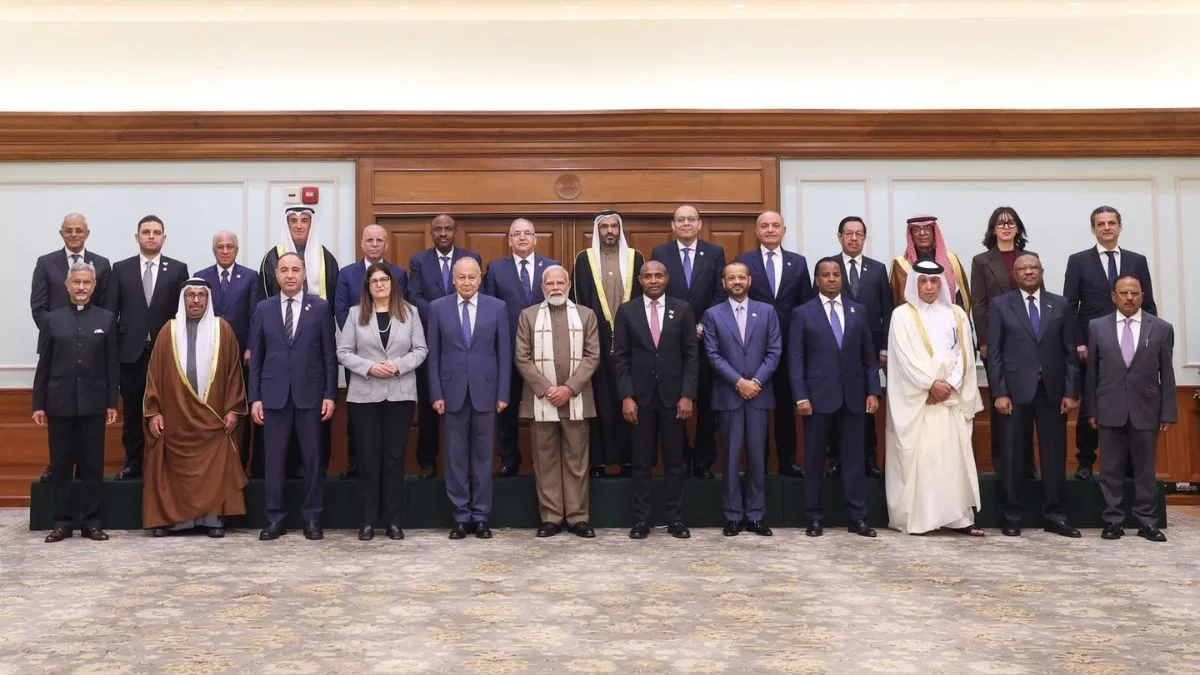
The PM was talking to a visiting delegation of Foreign Ministers of Arab countries, the Secretary General of the League of Arab States and Heads of Arab delegations, who are in India for the second India-Arab Foreign Ministers’ Meeting.
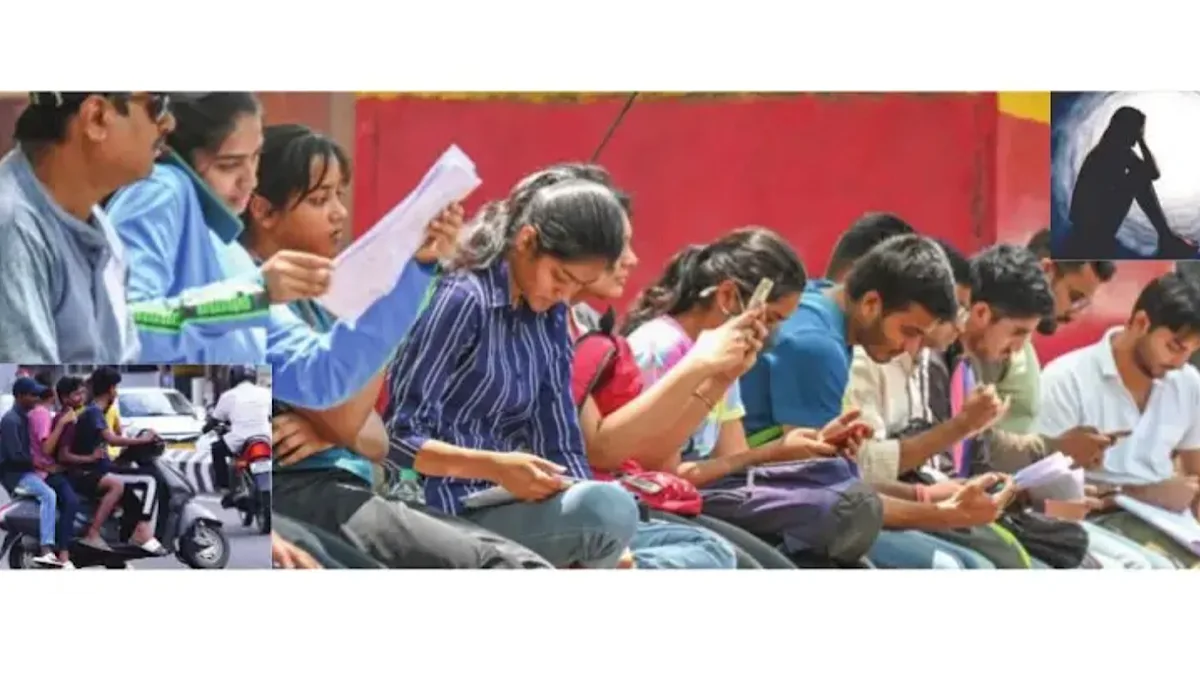
India’s youth are often hailed as the nation’s greatest asset ~ brimming with energy, ambition, and promise. But behind this hopeful narrative lies a stark truth: only a fraction are meaningfully contributing to national progress.
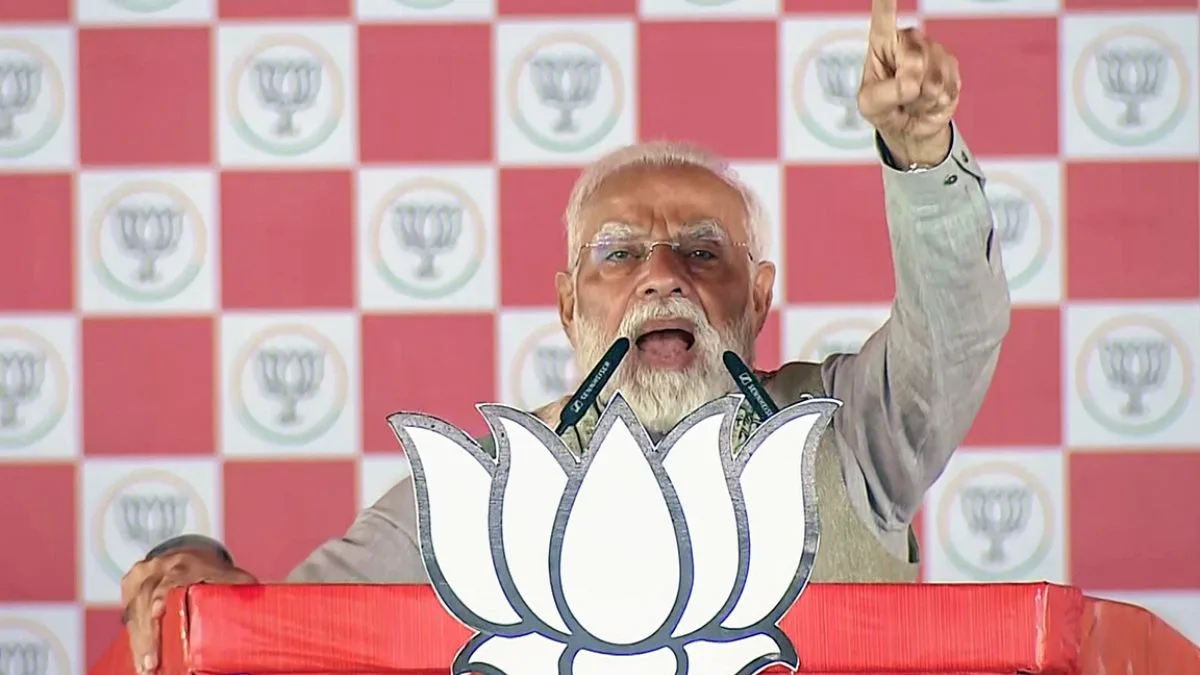
Prime Minister Narendra Modi will visit Chhattisgarh on Saturday, November 1 to inaugurate and lay the foundation stone for a series of ambitious development projects aimed at boosting infrastructure, healthcare, energy, and industrial growth in the state, his office said in a release on Friday.
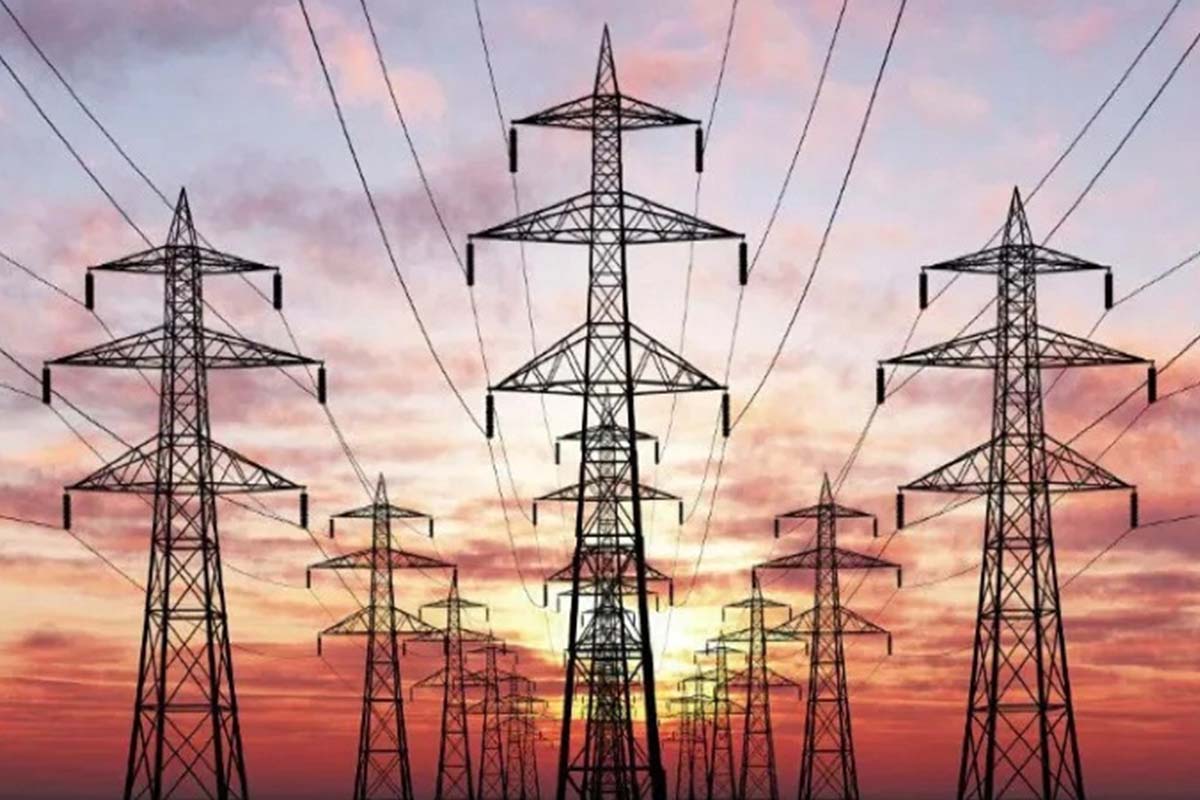
India is the world‘s third-largest energy consuming country, thanks to rising incomes and improving standards of living. Indeed, energy use has doubled since 2000, with 80 per cent of demand still met by coal, oil and solid biomass. More elaborately, coal is the country‘s top energy source with a share of 46 per cent in 2021, followed by oil (23 per cent) and biomass (21 per cent)
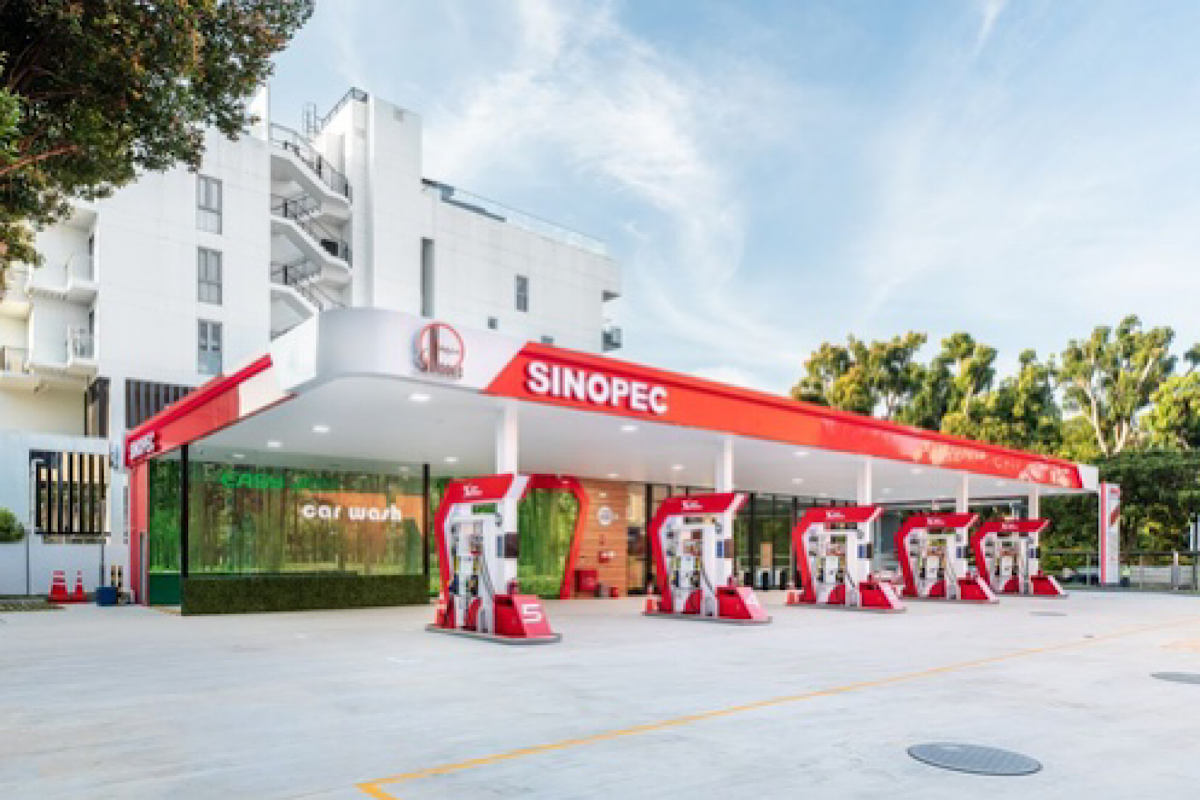
The first shipment of Chinese fuel supplier Sinopec, the third fuel supplier to enter the Sri Lankan fuel market after…

The Natural Gas Authority of the Ministry of Energy and Infrastructure approved the flow of natural gas for the first time to the “Ethgal” power plant in Ashdod with a capacity of 186 megawatts.
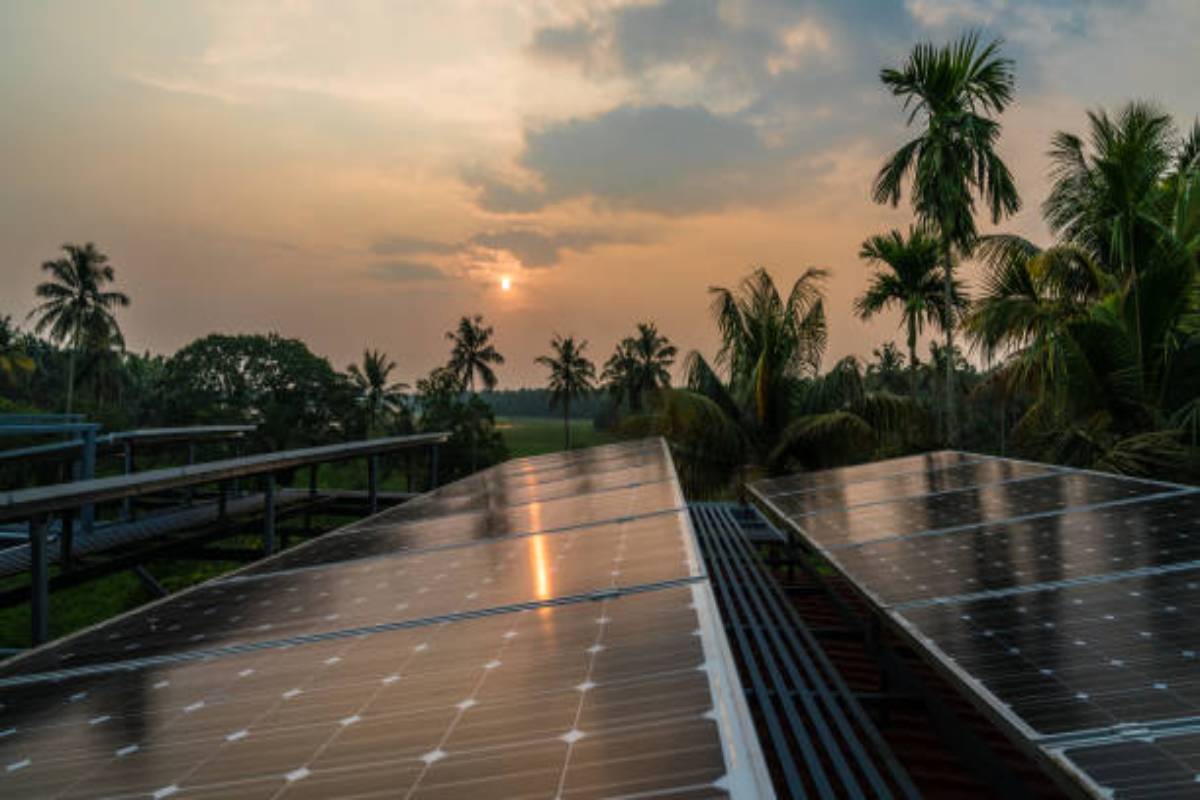
India's largest hydropower development company NHPC has signed a Memorandum of Understanding with Grid Corporation of Odisha (GRIDCO) for the development of pumped storage projects and renewable energy.

The caveat of "predominantly" is seen as a direct result of Japan's failure to adopt more ambitious domestic power sector decarbonisation plans.