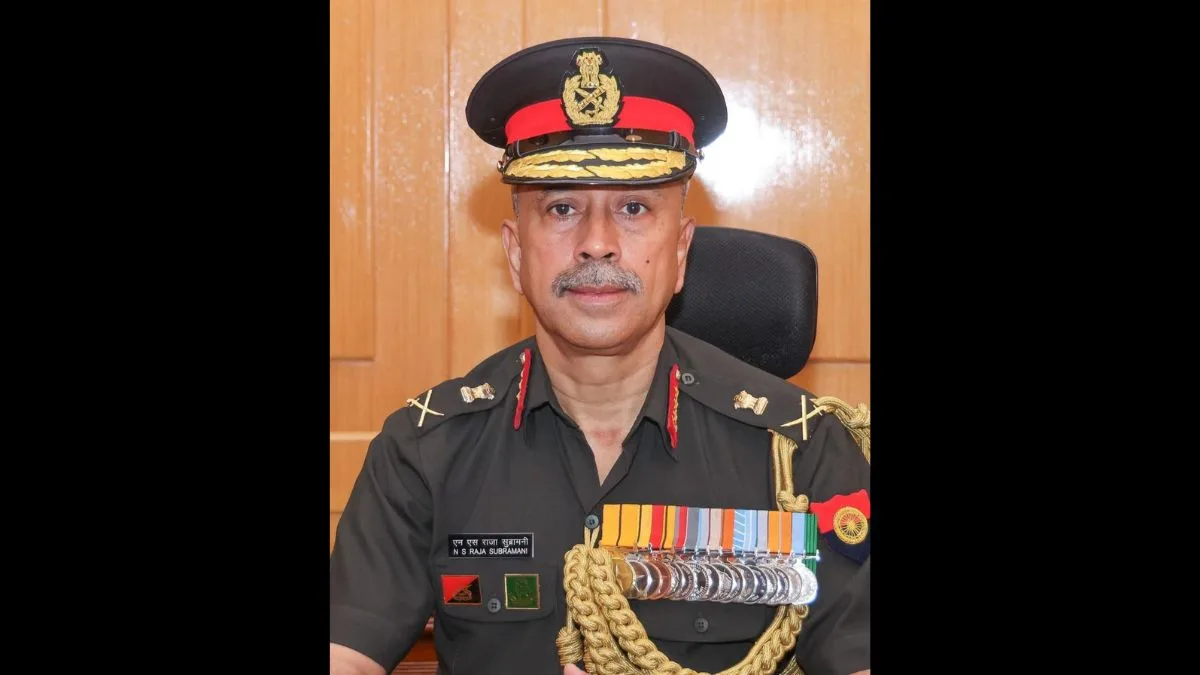
Who is Lt Gen NS Raja Subramani, India’s new Chief of Defence Staff?
Retired Lieutenant General NS Raja Subramani, a former Army Vice Chief and Central Command head, has been appointed India’s next Chief of Defence Staff by the Centre.
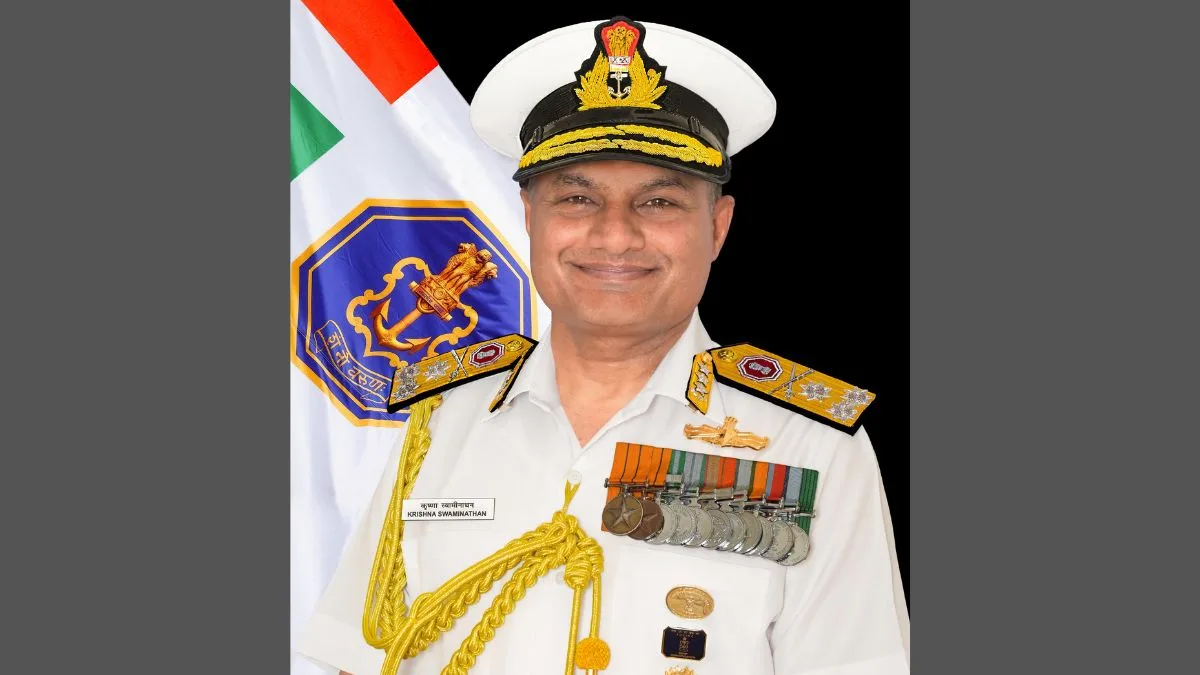
Decorated naval officer Vice Admiral Krishna Swaminathan, who has commanded INS Vikramaditya and the Western Fleet, will become the next Chief of Naval Staff after Admiral Dinesh Kumar Tripathi demits office on May 31.
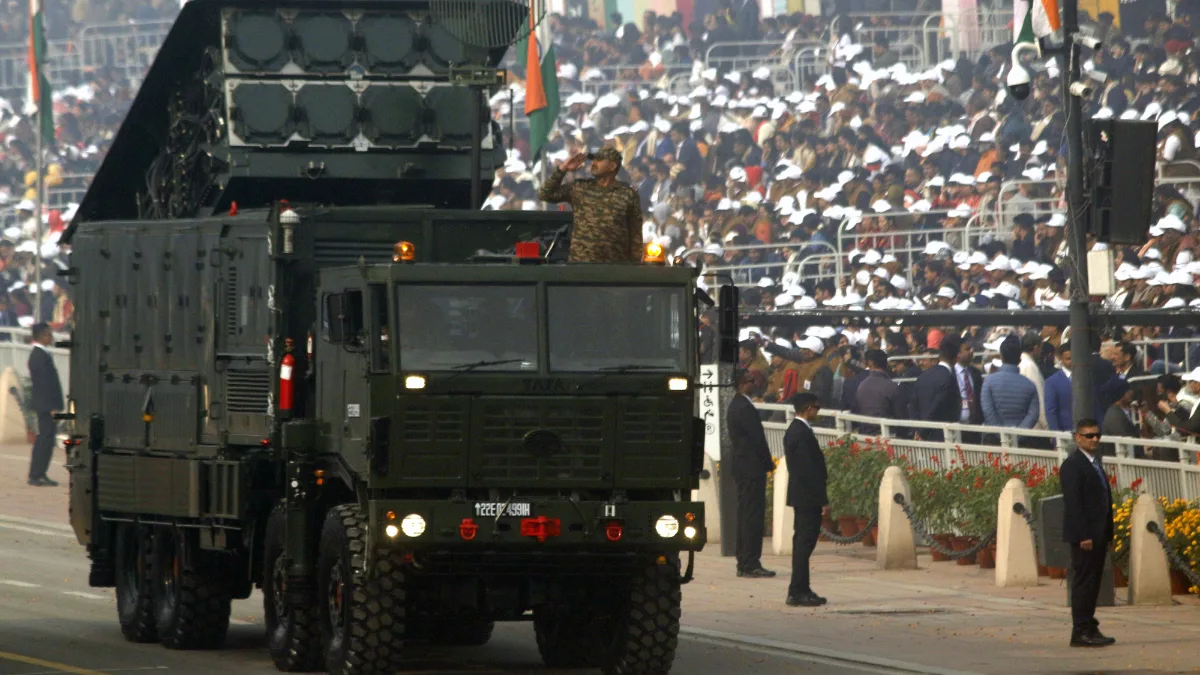
The Air Defence Tracked System will allow real-time monitoring and response to aerial threats. High-capacity radio relay systems will ensure strong and reliable communication even in difficult conditions.
The Union Budget of India has made a provision of Rs 7.85 lakh crore for the Financial Year (FY) 2026-27 for the Ministry of Defence (MoD).
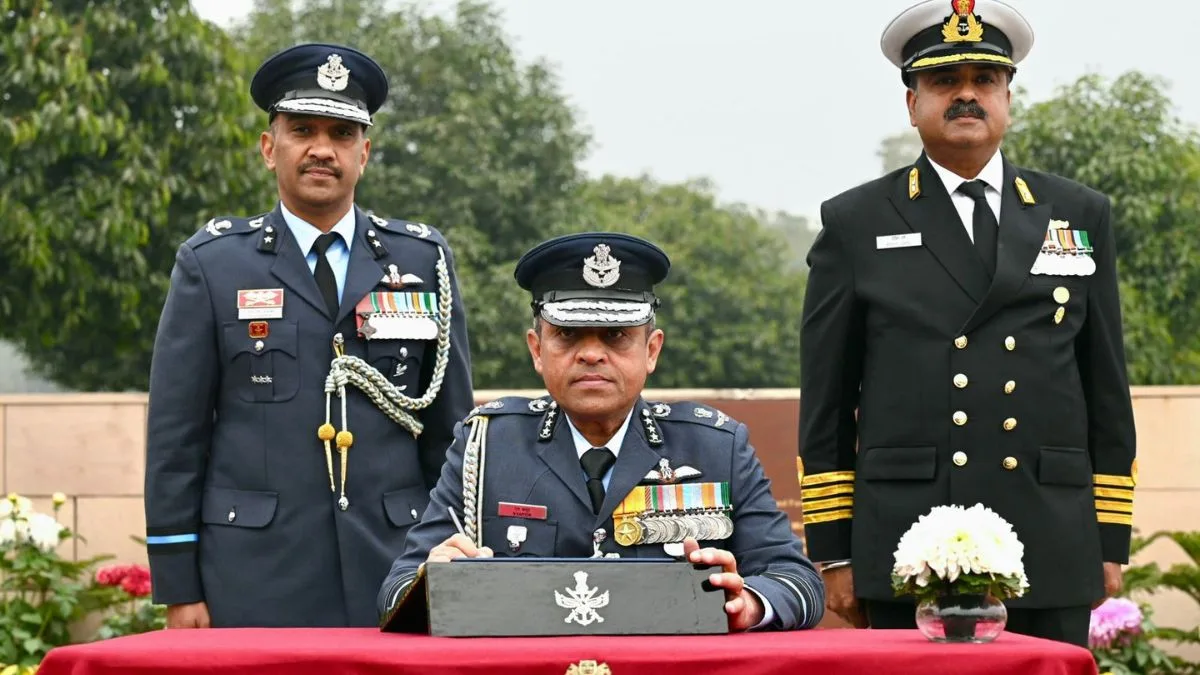
Air Marshal Kapoor took over from Air Marshal Narmdeshwar Tiwari SYSM PVSM AVSM VM, who superannuated after 40 years of glorious and distinguished service to the nation.
Inaugurating the exhibition, Defence Minister Rajnath Singh said the artworks captured the courage and commitment of the Indian armed forces with notable emotional depth.
Addressing the valedictory ceremony of the 100th Common Foundation Course at Lal Bahadur Shastri National Academy of Administration (LBSNAA), Mussoorie, Singh urged young civil servants to recognise their pivotal role in safeguarding national interests and remain prepared for critical challenges, much like the nation’s soldiers.
In a statement, the Ministry of Defence stated that under this campaign, the disposal of unserviceable items and e-waste kept in the premises of the ministry was done in two phases.
Neeraj, who was enrolled in the Indian Army as a Junior Commissioned Officer in the rank of Naib Subedar on August 26, 2016, has served with The Rajputana Rifles.
These sights are capable of engaging targets up to an effective range of 500 metres, even under starlit conditions and provide a significant improvement over the existing Passive Night Sights (PNS).