Salt March and the birth of mass disobedience
In the early morning of 6 April 1930, on the quiet shores of the Arabian Sea at Dandi in Gujarat, Mahatma Gandhi bent down, picked up a handful of salt, and quietly defied the law of the British Empire.

In the early morning of 6 April 1930, on the quiet shores of the Arabian Sea at Dandi in Gujarat, Mahatma Gandhi bent down, picked up a handful of salt, and quietly defied the law of the British Empire.
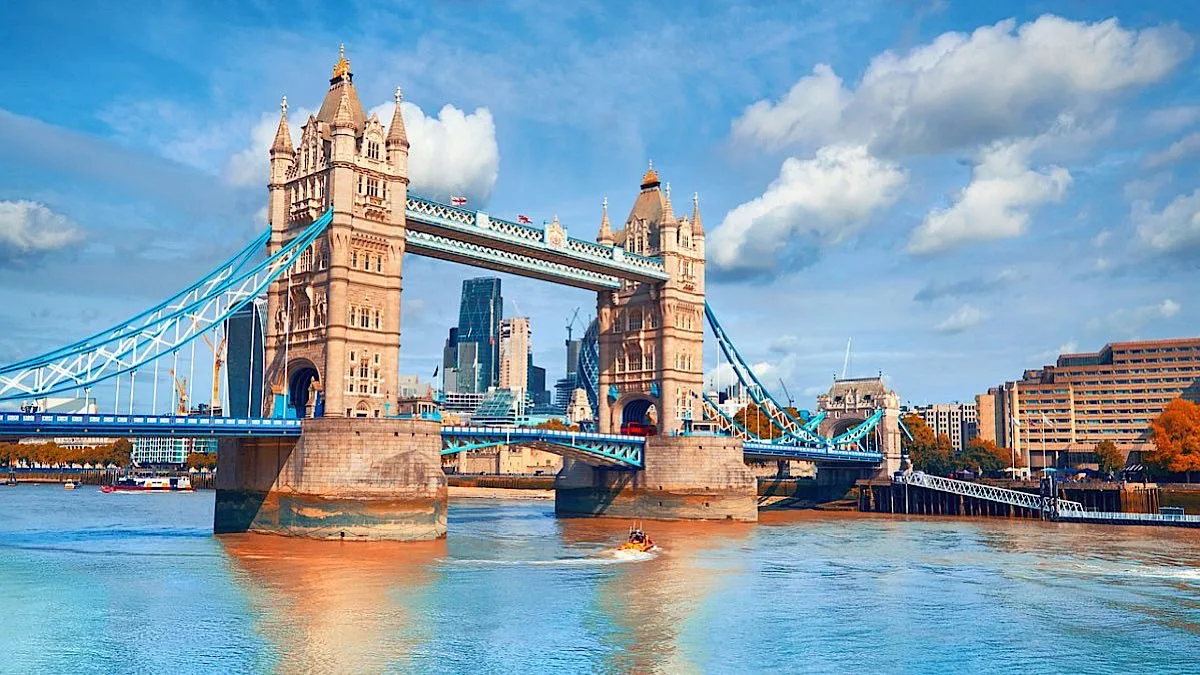
London likes to think of itself as a city that layers history rather than erases it. You can walk from a glassy bank headquarters to a Georgian square in minutes and feel that continuity in brick and stone.

Unquestionably, the first half of the twentieth century, and the century before that, belonged to Britain.

The maintenance of the British empire was the objective of Sir Winston Churchill (1870-1965) while ending it was the mission of Mahatma Gandhi (1869-1948).
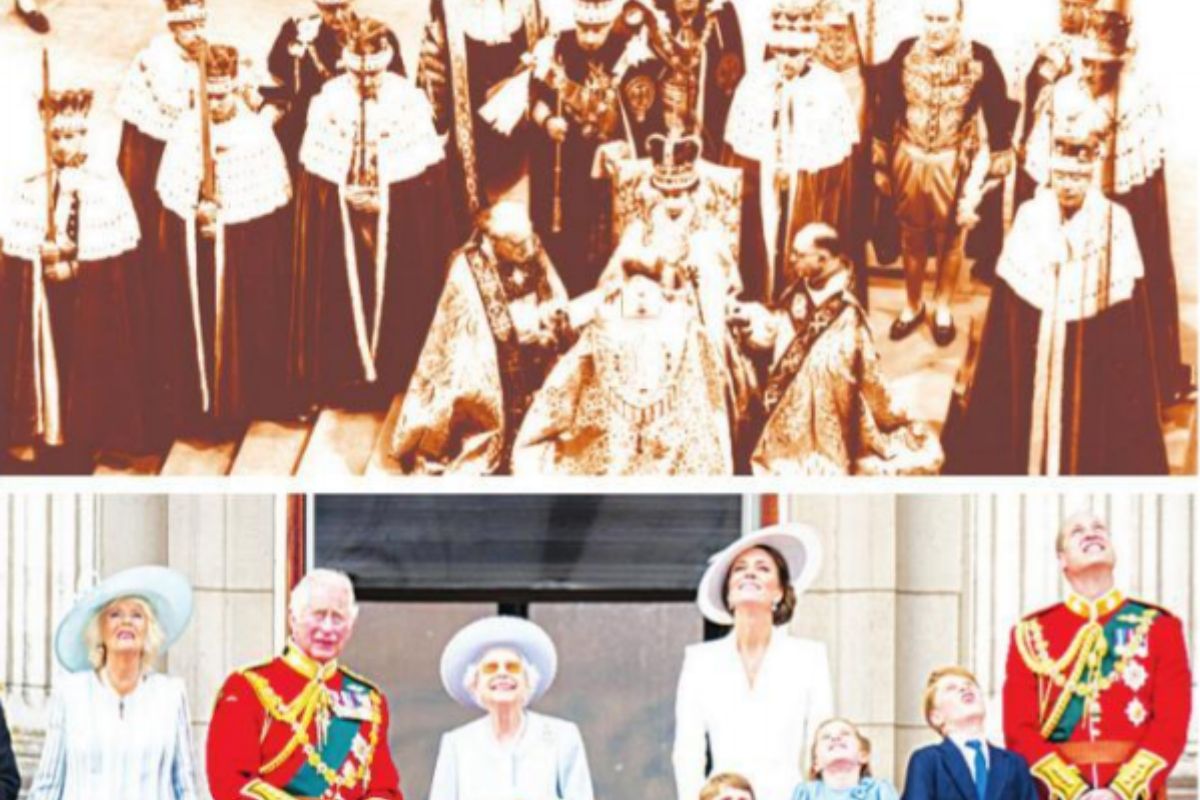
Elizabeth II inherited a monarchy whose political power had been steadily ebbing away since the 18th century but whose role in the public life of the nation seemed, if anything, to have grown ever more important.
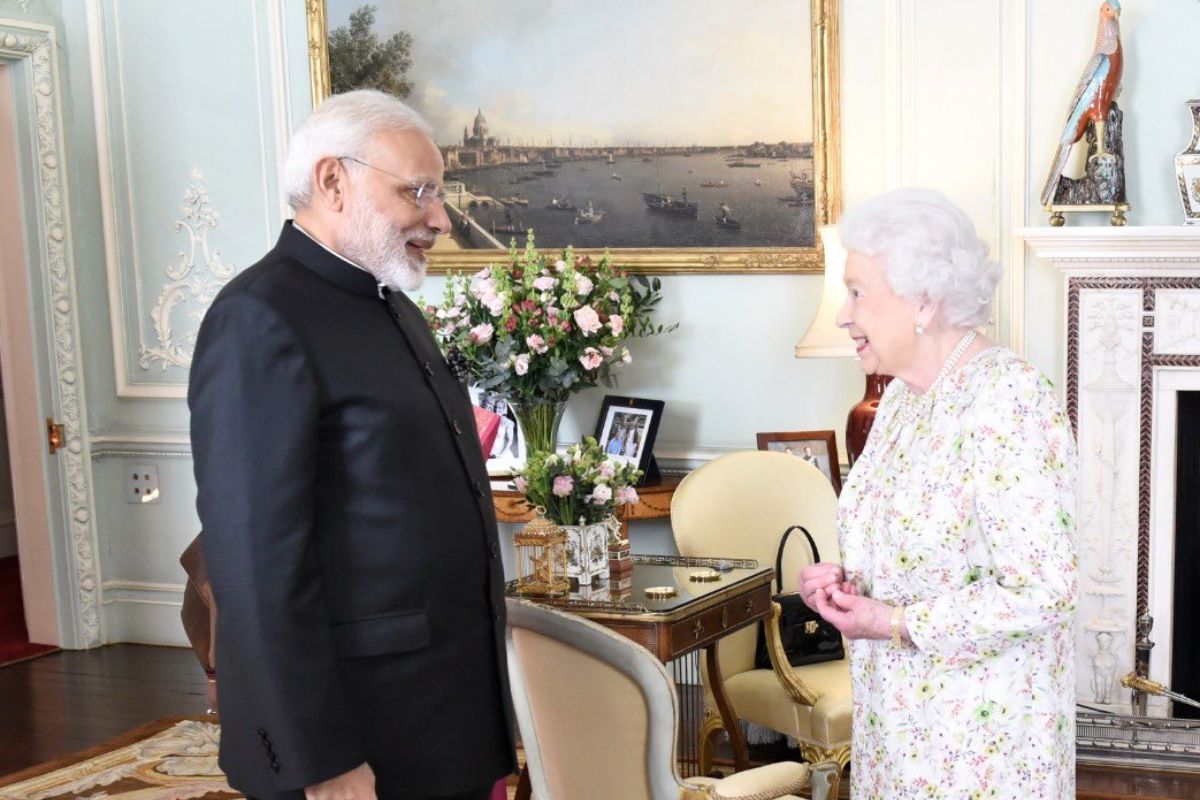
Queen Elizabeth II the famous personality of British history is the longest reigning modern monarch, She never followed the traditional ways of the monarchy.
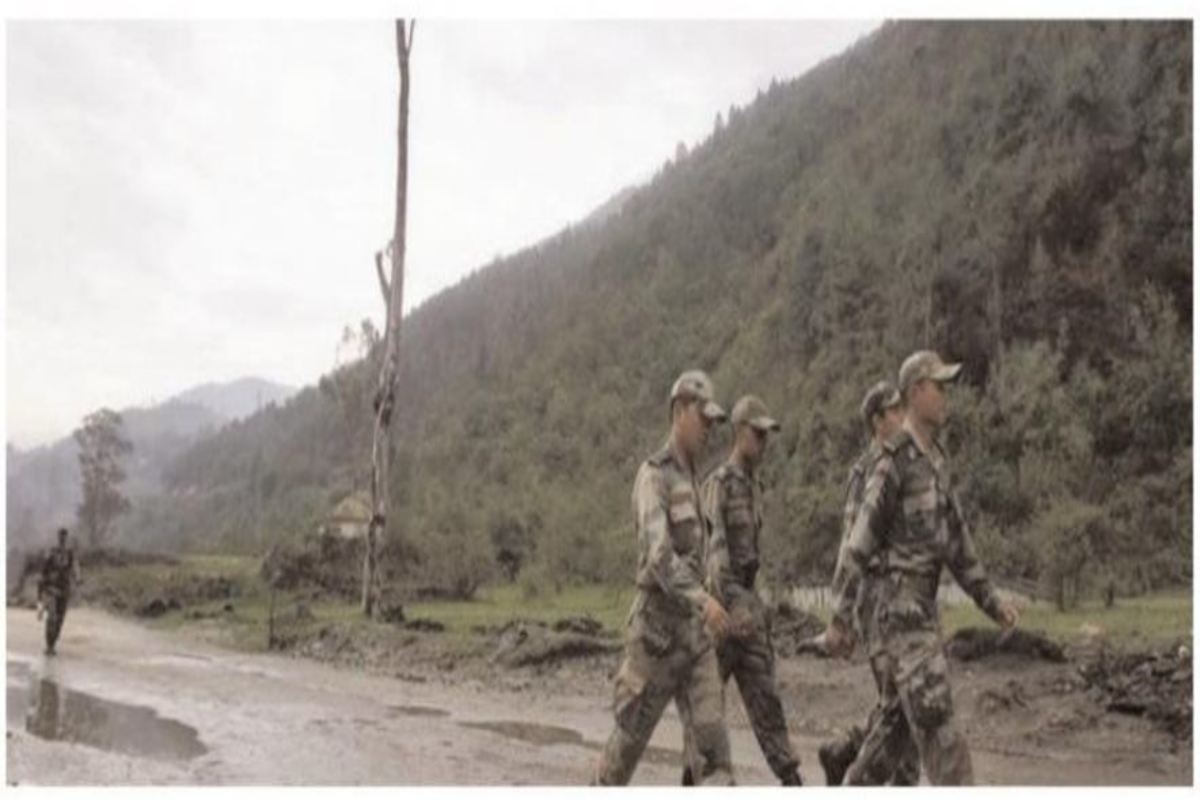
India is a Union of States, and armed conflict between any two states threatens the very idea of India as a nation. Historically, most invaders had taken advantage of differences between native rulers to conquer India. That said, modern Indian states are not sovereign bodies; under Article 3 of the Constitution, Parliament has the power to increase the area of any state, diminish the area of any state, alter the boundaries of any state and change the name of any state.

Taking note of the infamous history of the British Empire and calling it “insensitive”, author and economist Sanjeev Sanyal asked if a company in Israel will advertise itself as ‘Nazi Germany’.

Since 1998 UNESCO has been observing 23 August as the International Day for the remembrance of slave trade and its…
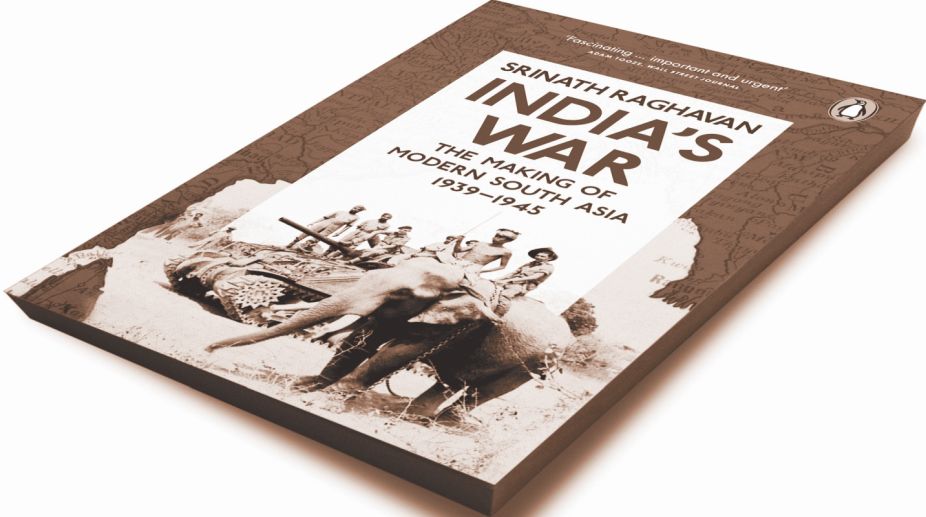
Srinath Raghavan highlights India as a power in its own right, rather than a mere bastion of the British Empire... A review.