Poisoned Silence
The death of Alexei Navalny in Russian custody was not just the silencing of a political opponent; it was a declaration about how power now understands itself.
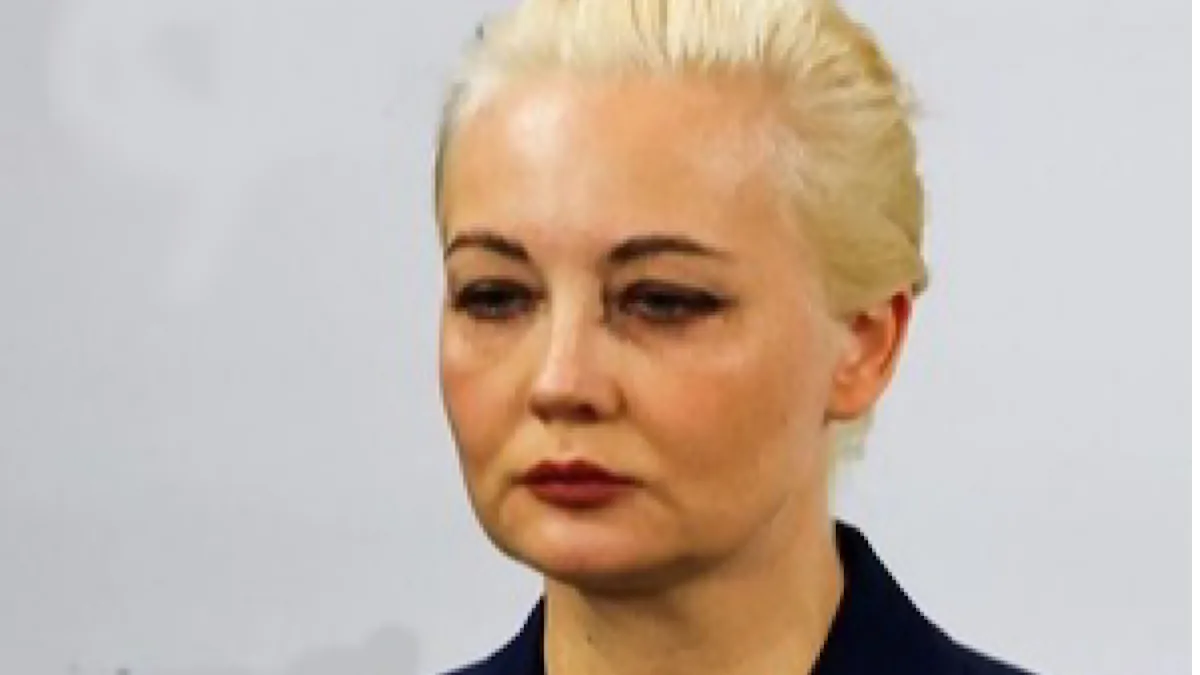
The death of Alexei Navalny in Russian custody was not just the silencing of a political opponent; it was a declaration about how power now understands itself.

According to the United Kingdom, only the Russian state had the means, motive, and opportunity to deploy this lethal toxin to target Navalny during his imprisonment.
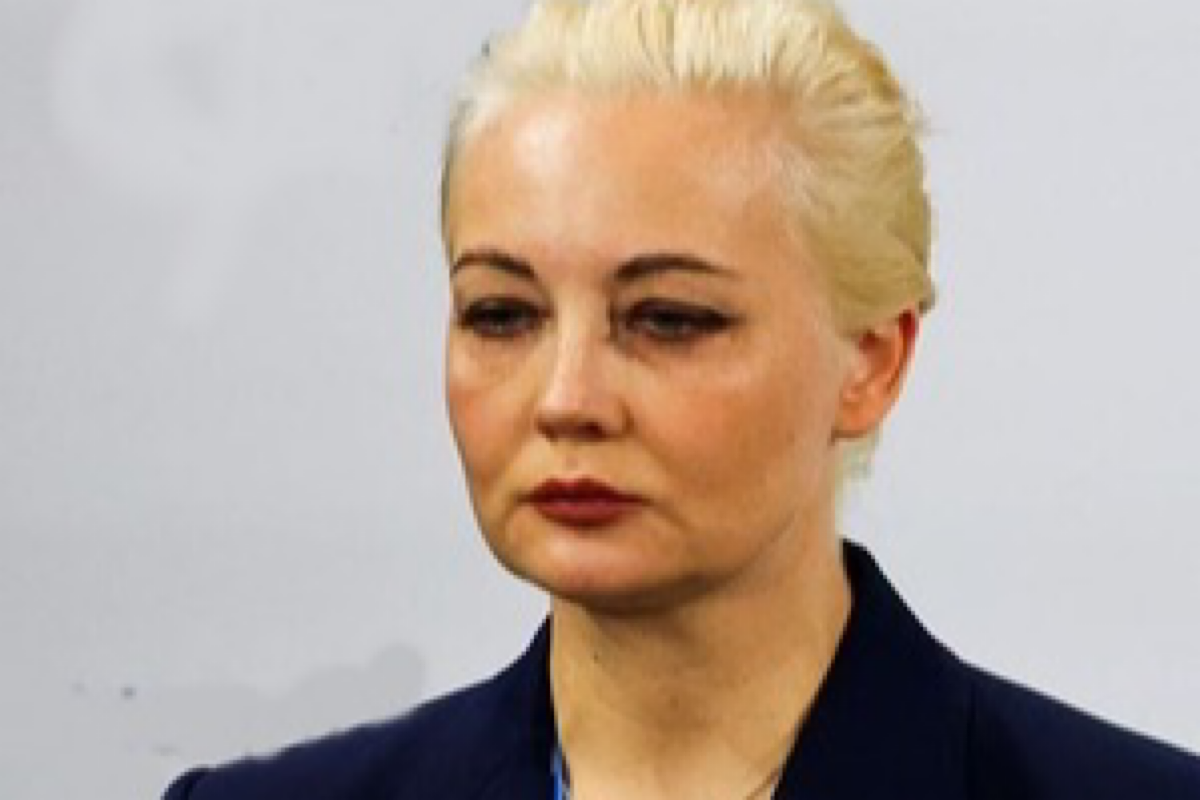
In the shadowy realm of political resistance, Alexei Navalny stood as a beacon of courage, defying the oppressive forces that govern Russia.
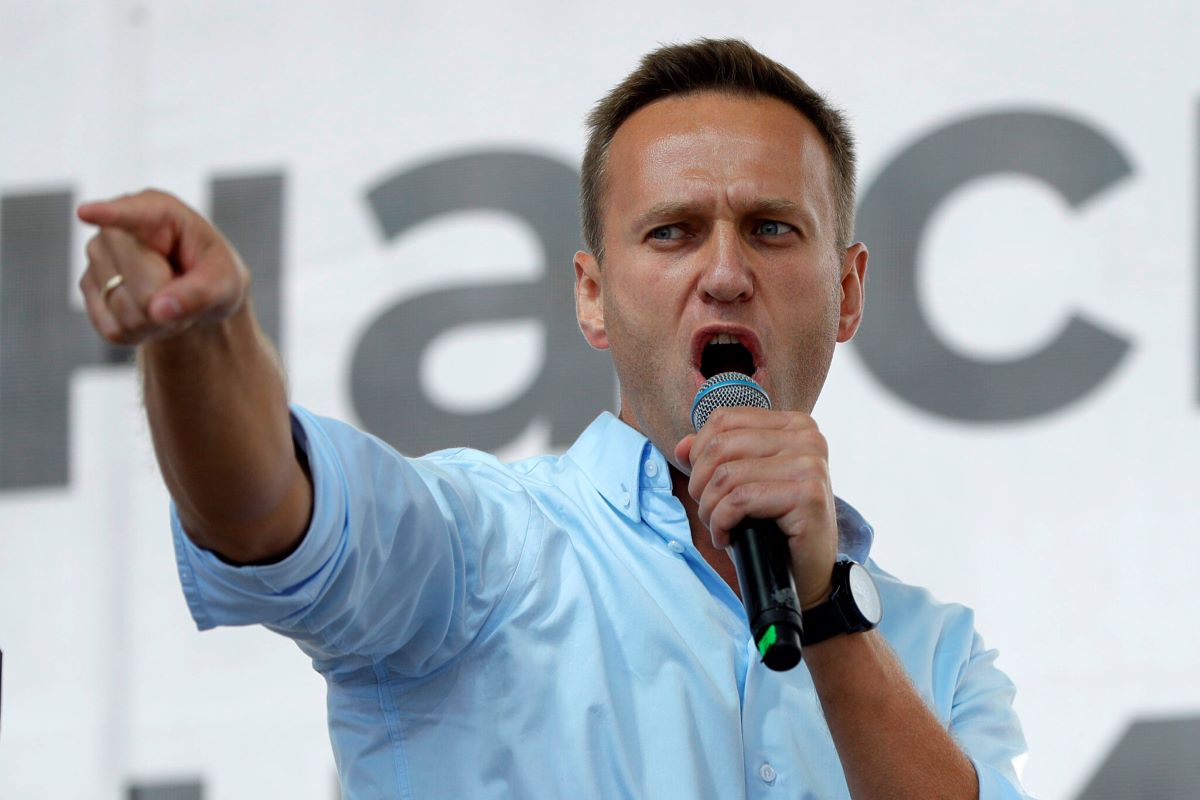
Mr Navalny’s sentence was announced on the 27th day of what Moscow calls its “special military operation” in pro-Western Ukraine, where thousands have been killed and millions displaced. Immediately after Tuesday’s verdict, Mr Navalny, countered the Kremlin, saying Russian leader Vladimir Putin was afraid of the truth.
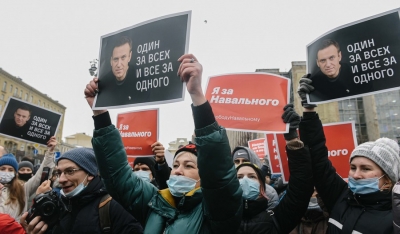
Russia under President Vladimir Putin has routinely cracked down on any political dissent, including actions against Navalny himself,
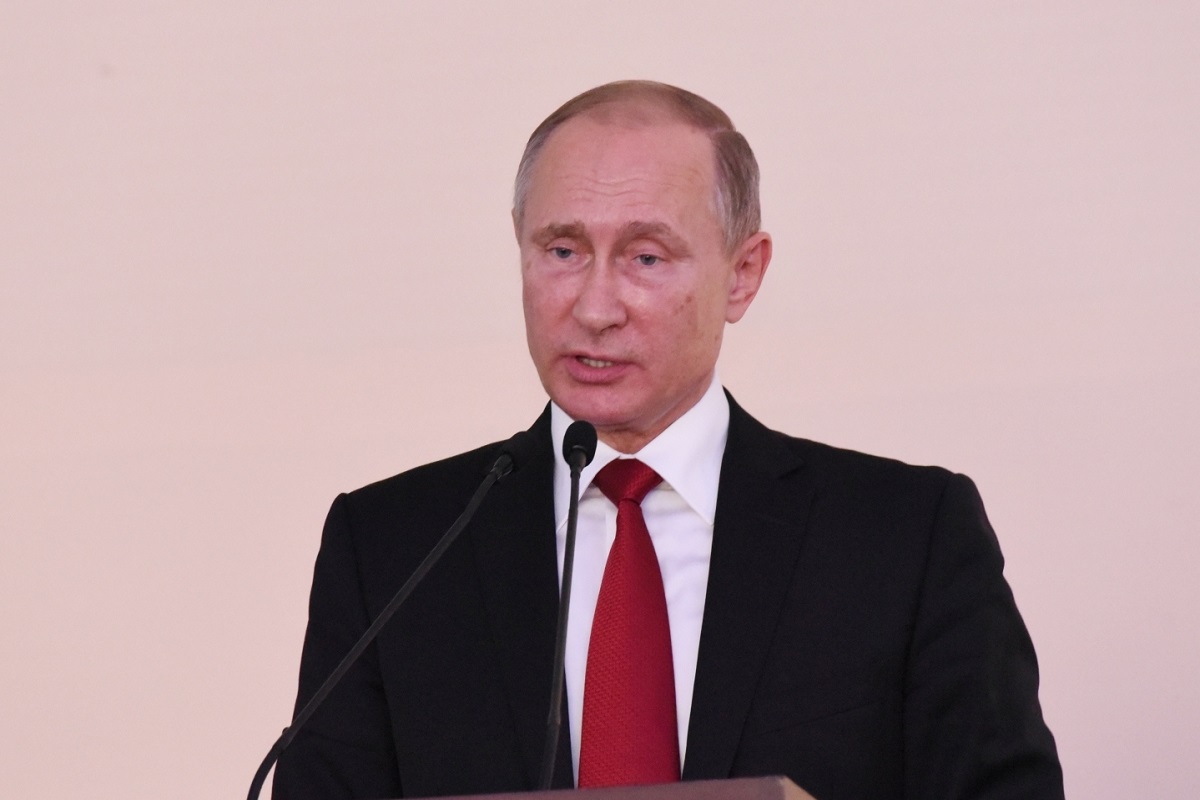
Navalny has blamed the security services for the attempt to kill him, a charge that has been denied by the Kremlin.
Navalny has interpreted the crackdown against him as a sign of Putin’s fear. But the Kremlin has insisted that Navalny had violated the law.
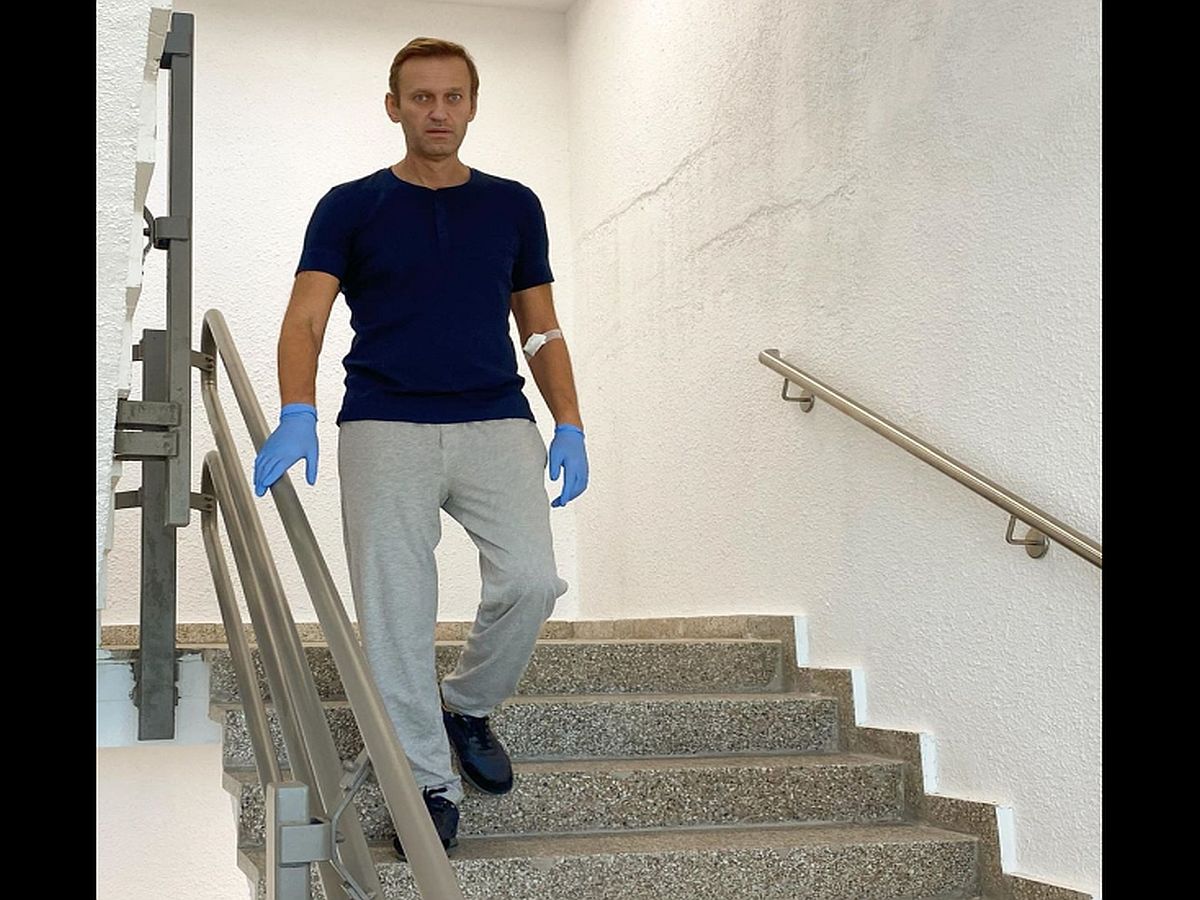
Navalny said he disguised his phone number and presented himself as an aide to Security Council chief Nikolai Patrushev, saying he needed information for an official report on the attempted poisoning.
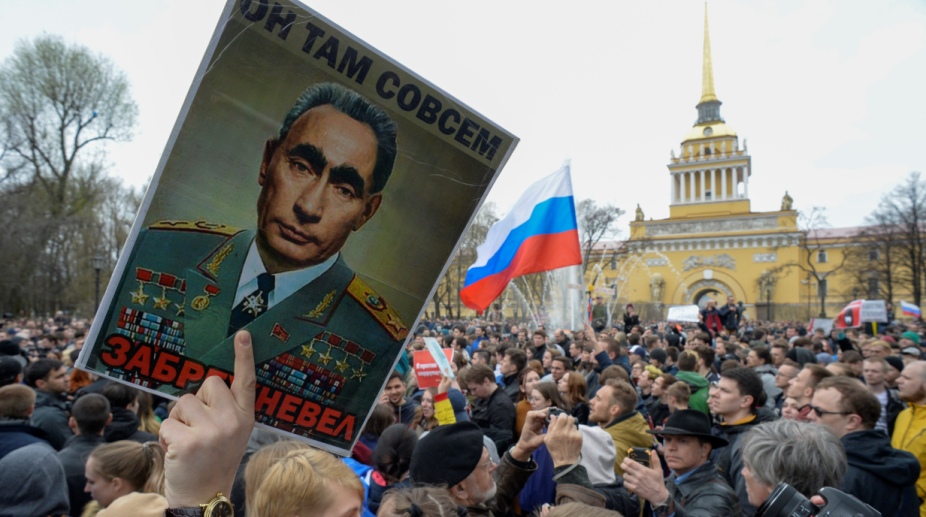
In real terms, this implies an appeal to the electorate to vote for the strongest candidate, but one who does not belong to the ruling party, United Russia, helmed by President Vladimir Putin.
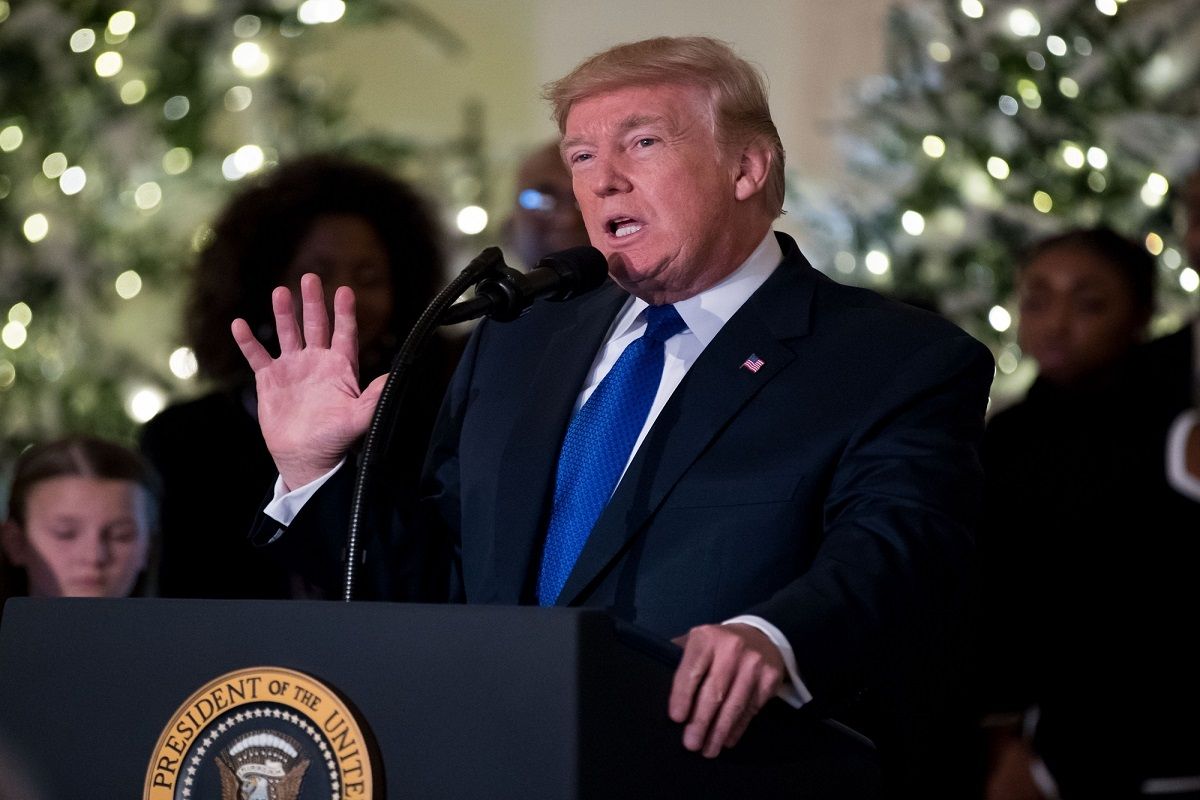
He said the case was "tragic" but urged reporters to focus instead on China, which he said was a bigger threat to the world than Russia, the BBC reported on Saturday.