Pedalling towards a cleaner capital
The real crisis lies in major cities, where overcrowded roads, rising pollution, declining patience and poor traffic discipline have become commonplace.

The real crisis lies in major cities, where overcrowded roads, rising pollution, declining patience and poor traffic discipline have become commonplace.
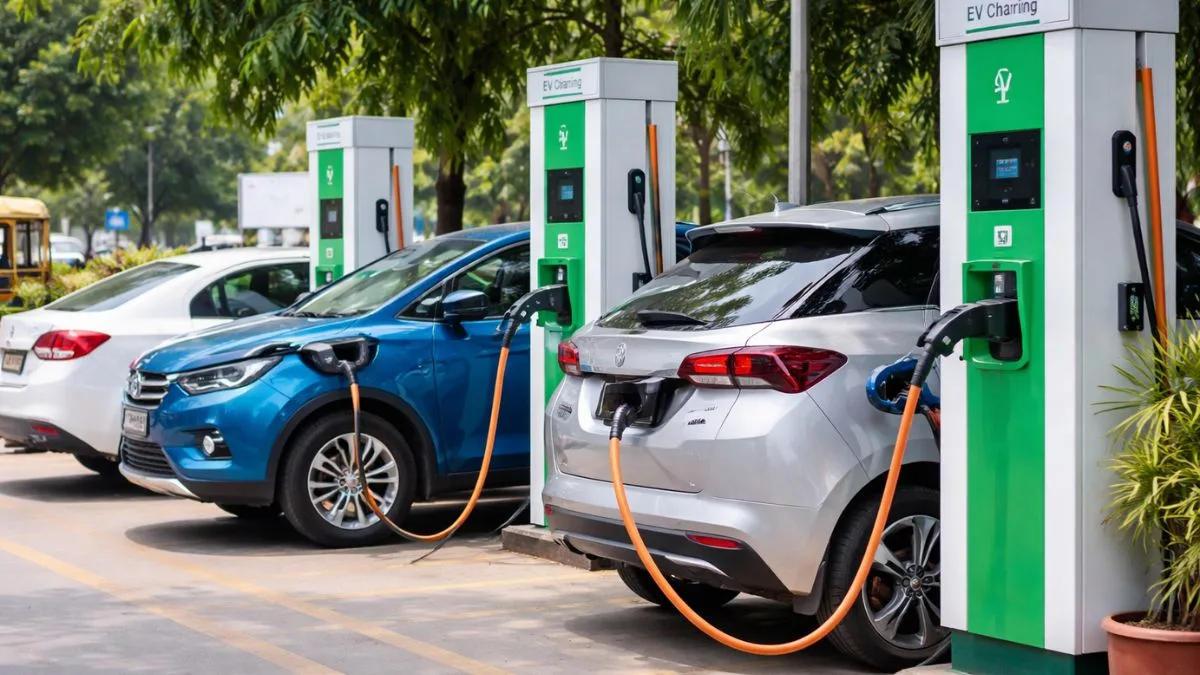
Delhi’s draft EV Policy 2026 opens for consultation, proposing incentives, scrappage benefits and strict timelines to push electric mobility across two-wheelers, commercial fleets and private vehicles.

Pakistan emerged as the world’s most polluted country in 2025, recording PM2.5 levels up to 13 times higher than the safe limits prescribed by the World Health Organization (WHO).
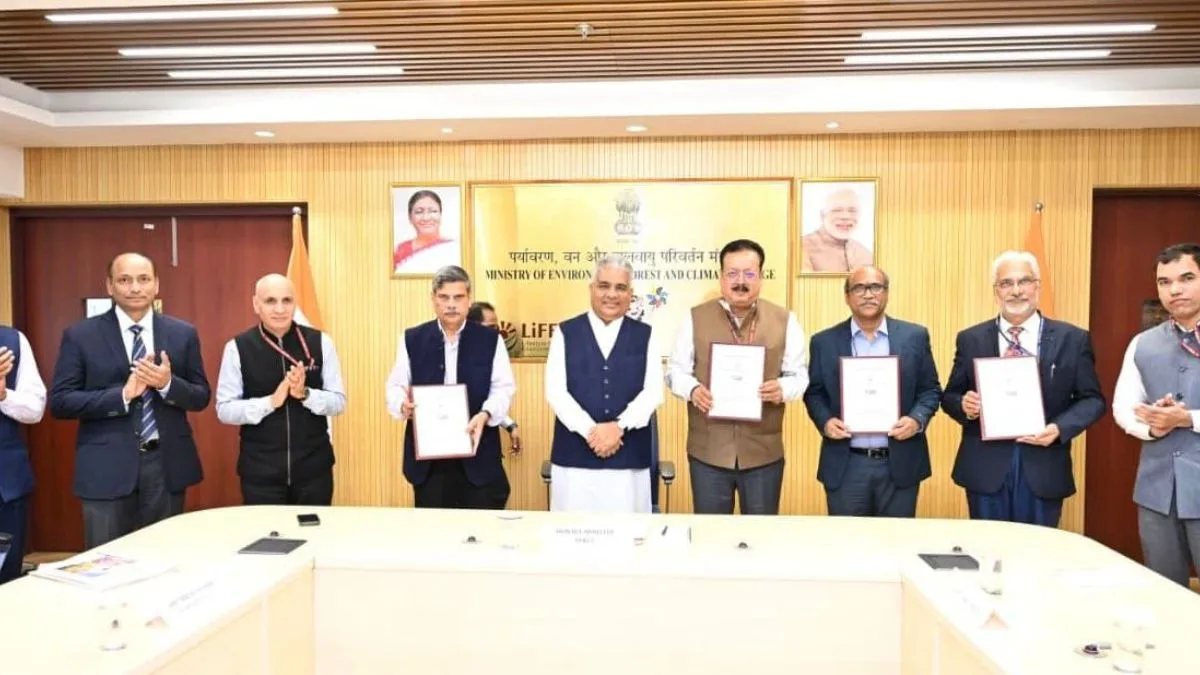
The framework aims to improve road cross-sections, right-of-way (RoW) utilisation, greening measures and road maintenance protocols across the NCR.
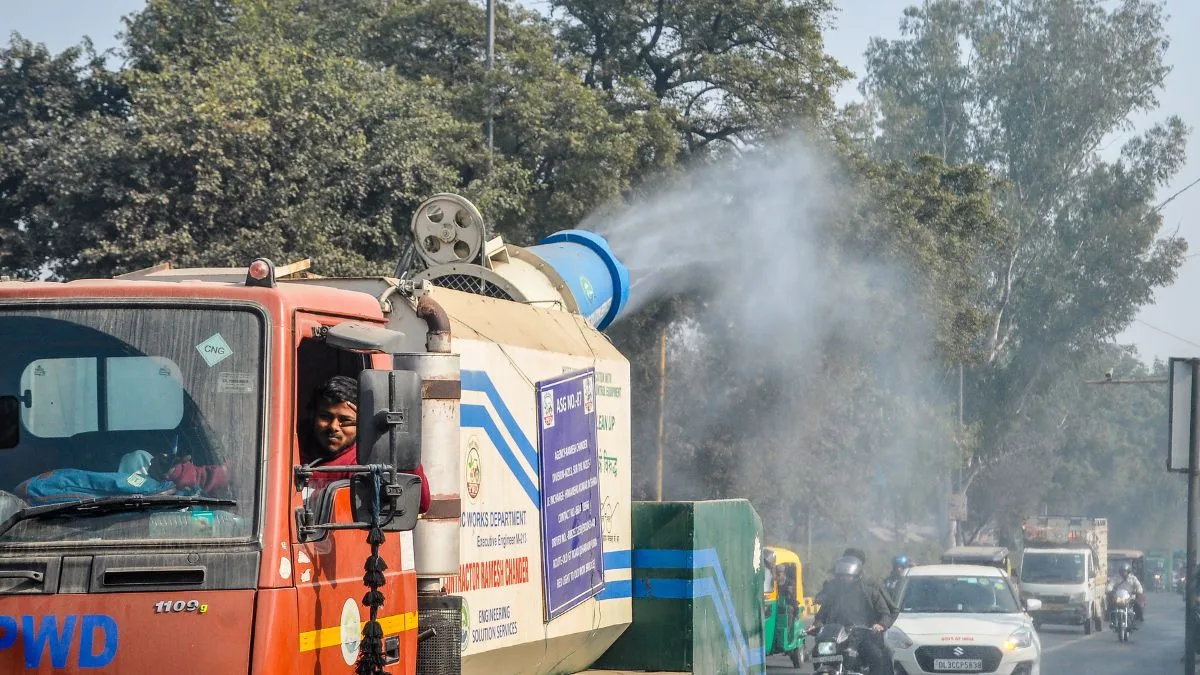
The CAQM, in view of the forecasts for meteorological conditions and air quality index made available by Indian Meteorological Department (IMD) and the Indian Institute of Tropical Meteorology (IITM), respectively, has taken a call on the preventive, restrictive measures under stage II of GRAP, invoked in the entire NCR on October 19 last year.

A bench led by CJI BR Gavai also instructed the governments of the aforesaid States to implement preventive measures with regard to the reduction of air pollution and to ensure they are reviewed regularly. The Supreme Court has also stated that the matter concerning air pollution must be listed monthly.
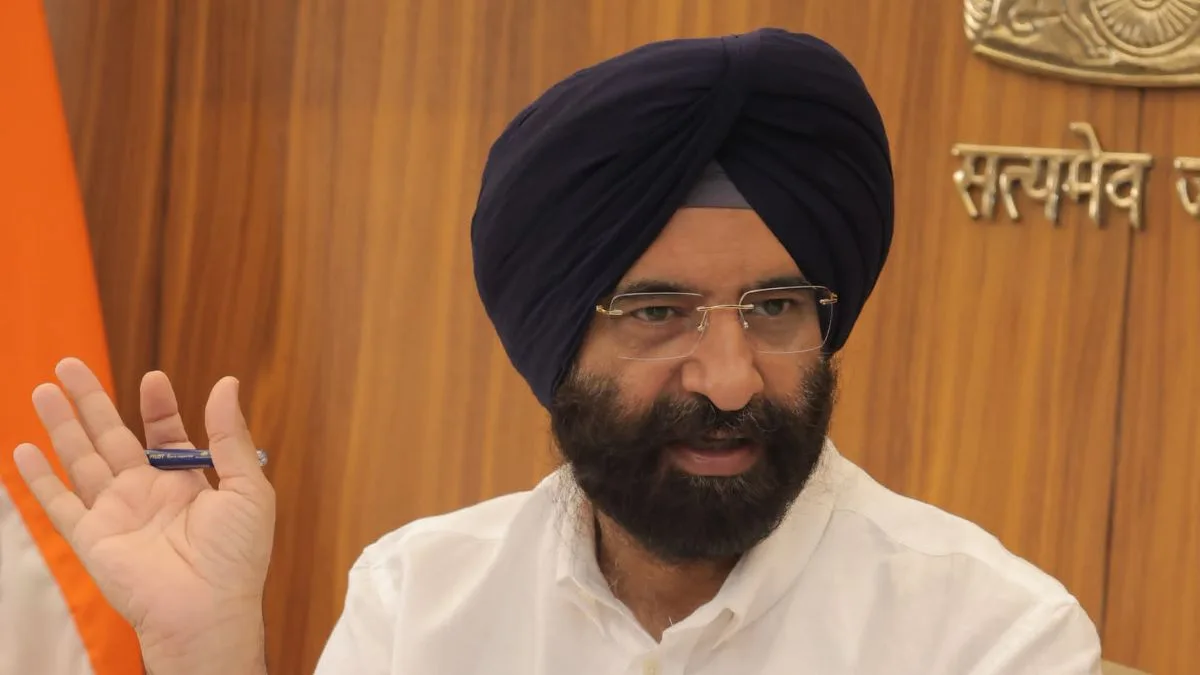
“The major source of Delhi’s pollution right now is PM10, which comes from construction sites, dust on roads, and several other factors,” the official said.

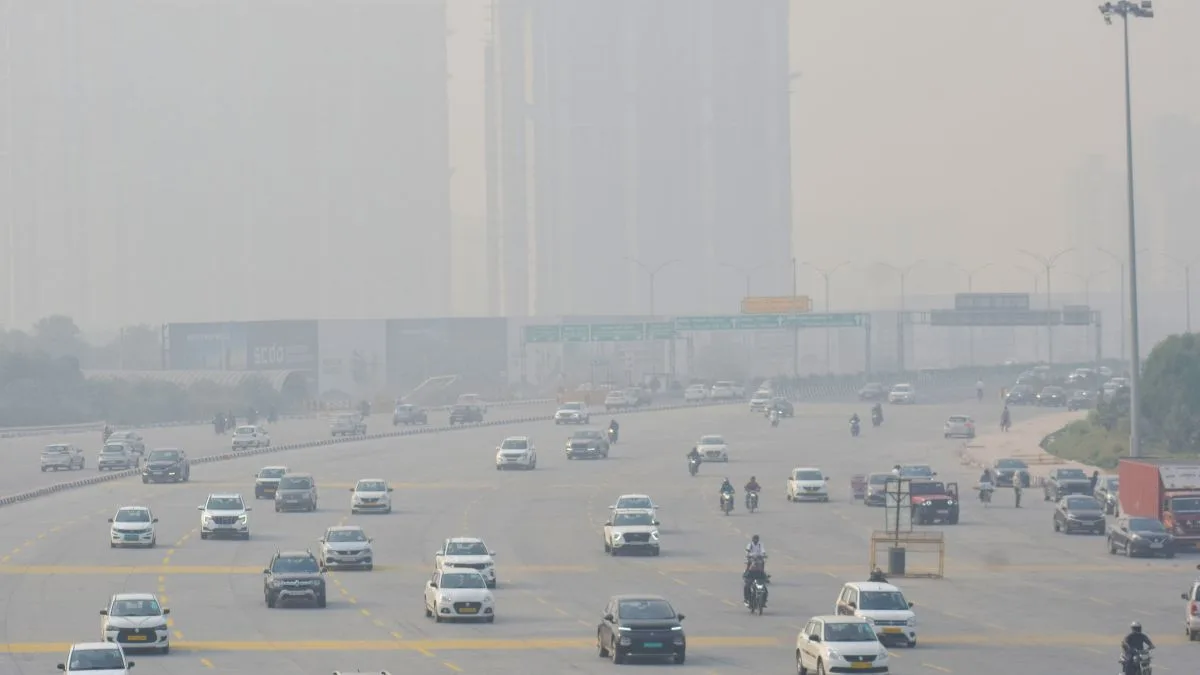
Delhi woke up to thick smog on Thursday as air quality slipped deep into the ‘Severe’ zone. From Daryaganj and Chandni Chowk to Anand Vihar and Bawana, visibility dropped sharply as AQI crossed 450 in several areas, raising health concerns for commuters.
“In the Shahdara South Zone, a total of 78 special teams have been constituted to implement the Winter Action Plan to control pollution,” said Badal Kumar, Deputy Commissioner of Shahdara South Zone, MCD.

The decision came in the aftermath of a sharp rise in Delhi’s average Air Quality Index (AQI) from 362 on Monday to 425 on Tuesday morning.