Patience First
The temptation to settle on a convenient explanation after a major aviation disaster is understandable.
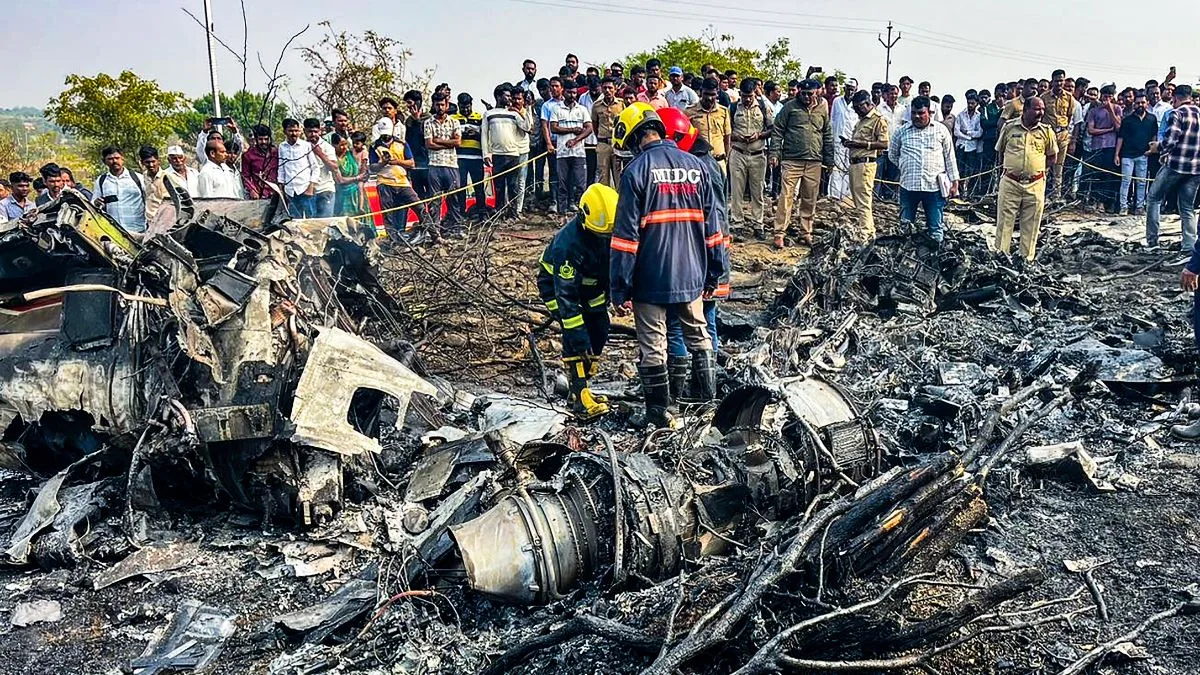
The temptation to settle on a convenient explanation after a major aviation disaster is understandable.

According to the airline's statement, flight AI479 "marginally infringed" into Pakistani airspace, which remains closed for Indian airlines.

An Air India Airbus A321 operating between Delhi and Amritsar briefly entered Pakistani airspace after a navigation system snag. The aircraft returned safely to Indian airspace following an alert from Pakistani ATC and later landed in Amritsar after a diversion to Delhi.

One year after one of the worst aviation disasters in Indian history, the most unsettling reality is not that the final answer remains elusive. It is that, in the absence of definitive findings, competing certainties have rushed in to fill the void.

The plane took off. It never landed. 260 people left the ground that afternoon, only one came back. Milan Sharma lost his sister. Now he is making sure no one forgets.

A major disruption is unfolding across India’s aviation network as Airbus’ A320 safety alert prompts the grounding of more than 350 aircraft for urgent software and hardware fixes. IndiGo, Air India and Air India Express warn that delays and cancellations may continue through next week.

The crew of flight AI2939 soon turned back to Delhi as part of standard operating protocols after an alert appeared on the cockpit systems, an Air India official said.
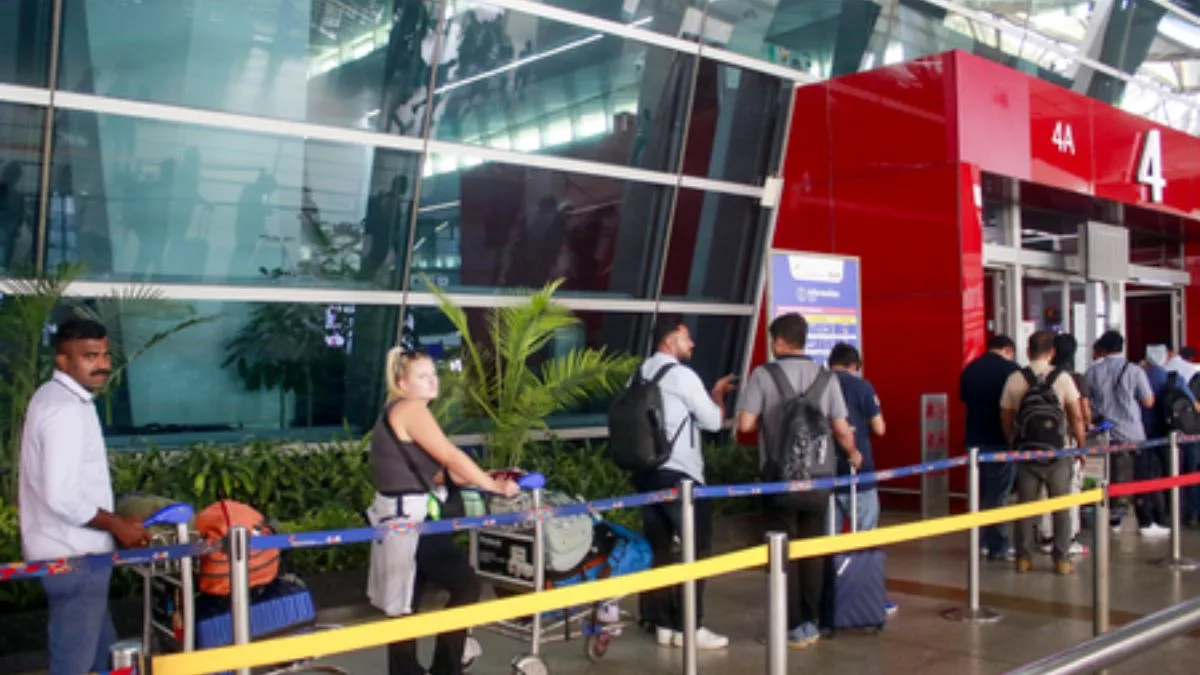
Beginning Monday, Air India has cancelled 13 scheduled flights.

India’s skies saw ongoing disruption on 25 November as high-altitude ash from Ethiopia’s Hayli Gubbi eruption affected major routes. Air India cancelled several flights. The IMD said the plume would drift away by evening.

IndiGo, Air India, and Akasa Air have assured passengers that safety remains their top priority following the eruption of Ethiopia's Hayli Gubbi volcano, whose ash clouds are drifting towards parts of India.