Extraction of minerals from the Indian offshore: Opportunities and challenges
The mineral economy of India is at a crucial moment of structural transition.
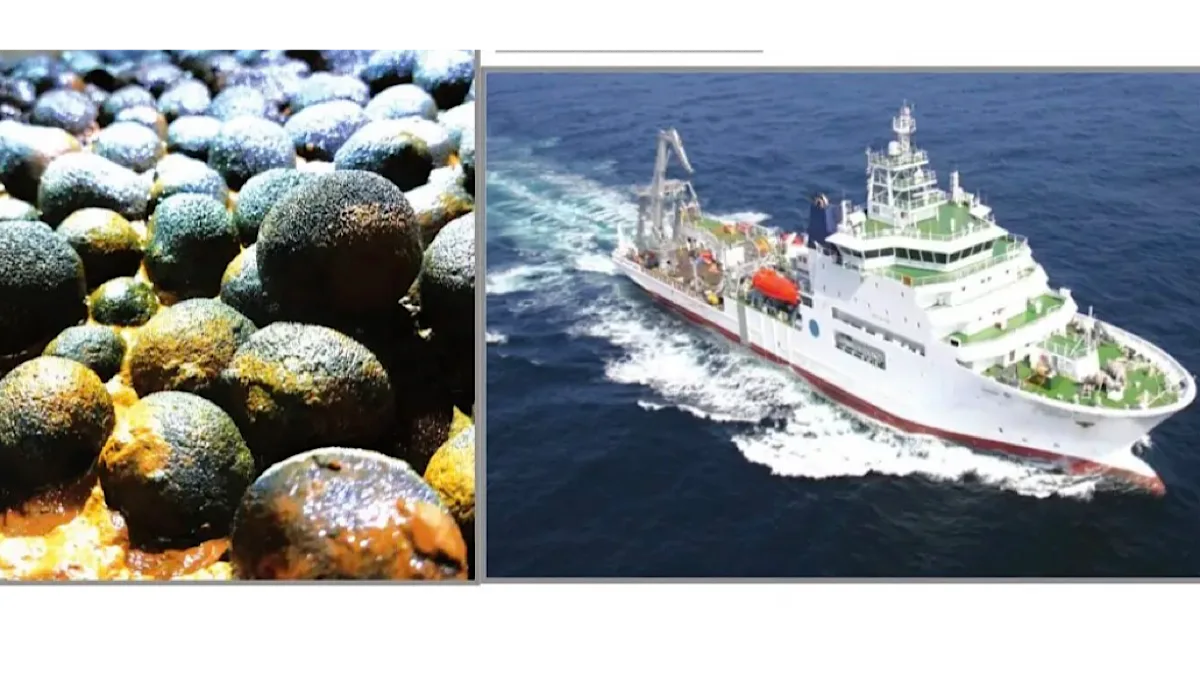
The mineral economy of India is at a crucial moment of structural transition.

Physicists have long been fascinated with dark matter. Scientists discovered that observable matter, stars, galaxies, nebulae, and planets, can only account for 5% of the universe’s structure.

Scientists have recently unraveled the decades-old mystery of the pigeons travelling hundreds of miles.
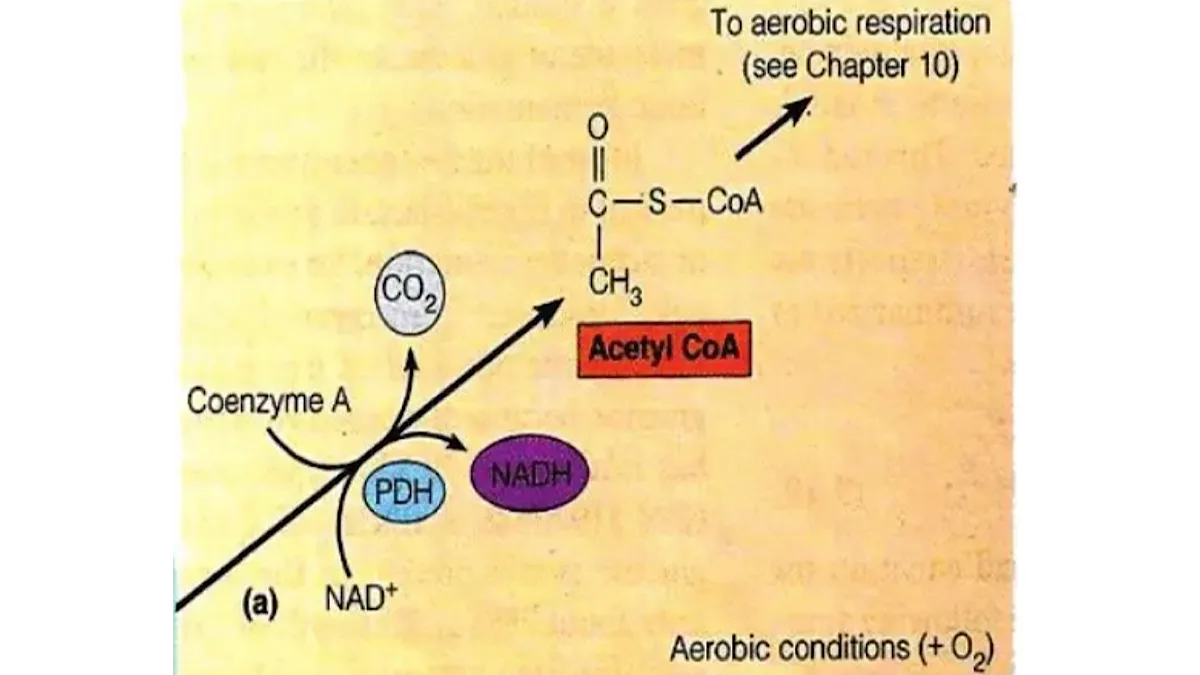
Cells not only are able to catabolize glucose and other carbohydrates to meet their energy needs but also can synthesize sugars and polysaccharides needed for other purposes.

India is not short of ideas. Every year, universities produce thousands of engineers and researchers, laboratories generate studies, and start-ups promise new solutions in healthcare, technology and sustainability.

In a significant step towards addressing this issue, a young researcher at Indian Institute of Technology (IIT) Jodhpur has made a ground-breaking research, shedding light on the sources and composition of particulate matter (PM) in northern India that are harmful to human health.

Returning to the basic distinction between prokaryotes and eukaryotes, it recognises many important structural, biochemical, and genetic differences between eubacteria and archaea on the one hand and eukaryotic cells on the other.
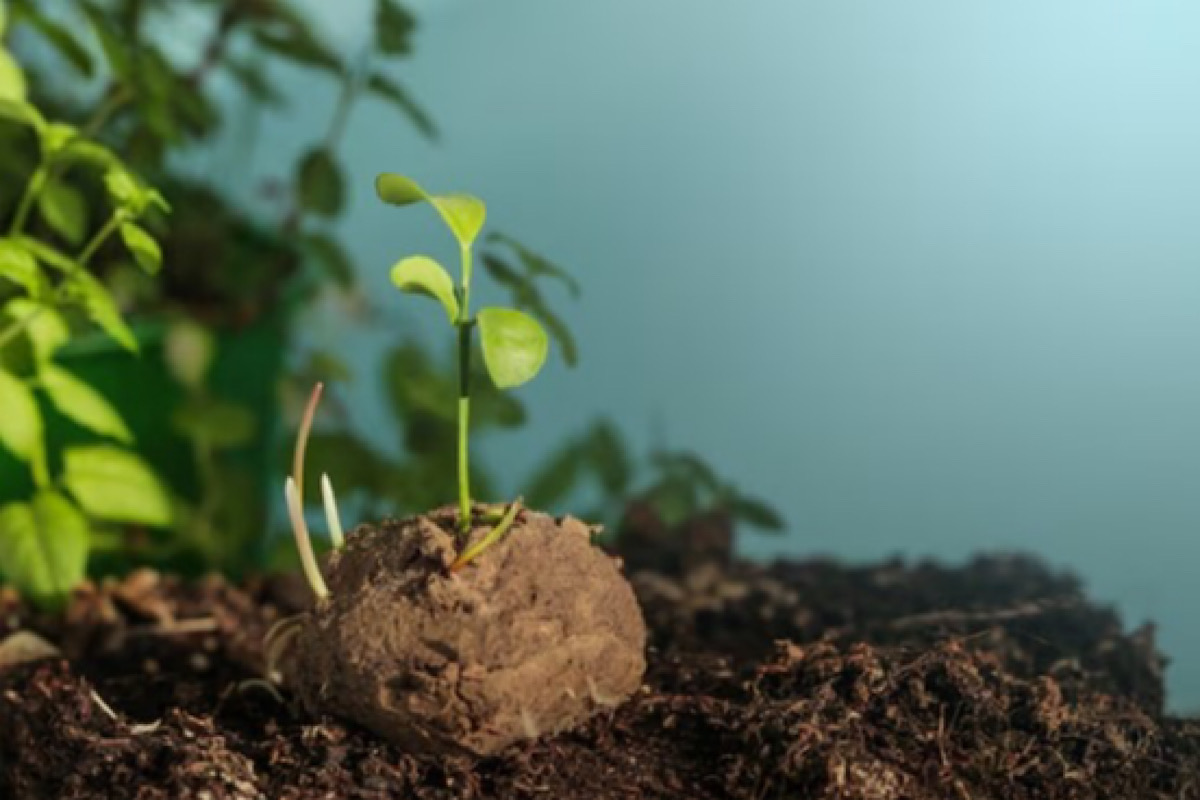
According to a report by UNESCO, climate change and human activities like illegal wood cutting and agricultural encroachment have led to a massive decline in the hectares of forest that cover the surface of the earth.
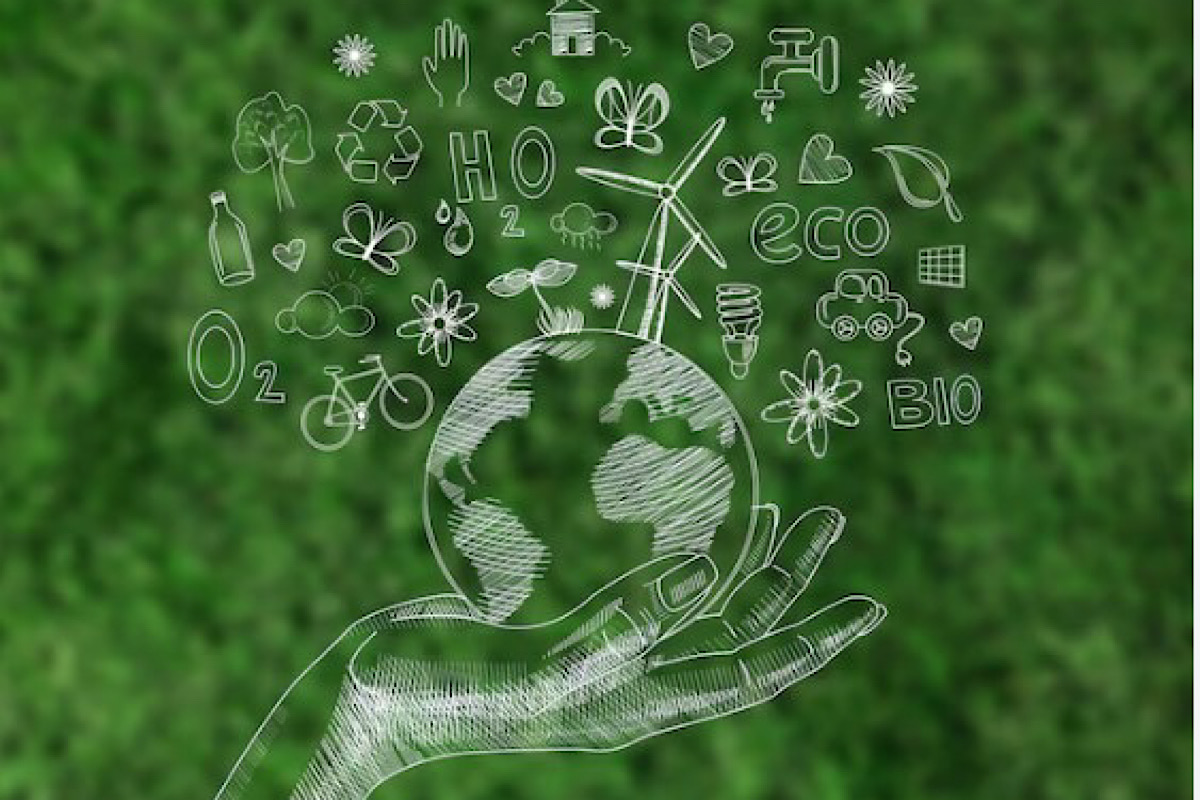
Central to this verdict was the Court's decision to lift a ban on overhead power lines spanning 99,000 square kilometres in parts of Gujarat and Rajasthan.
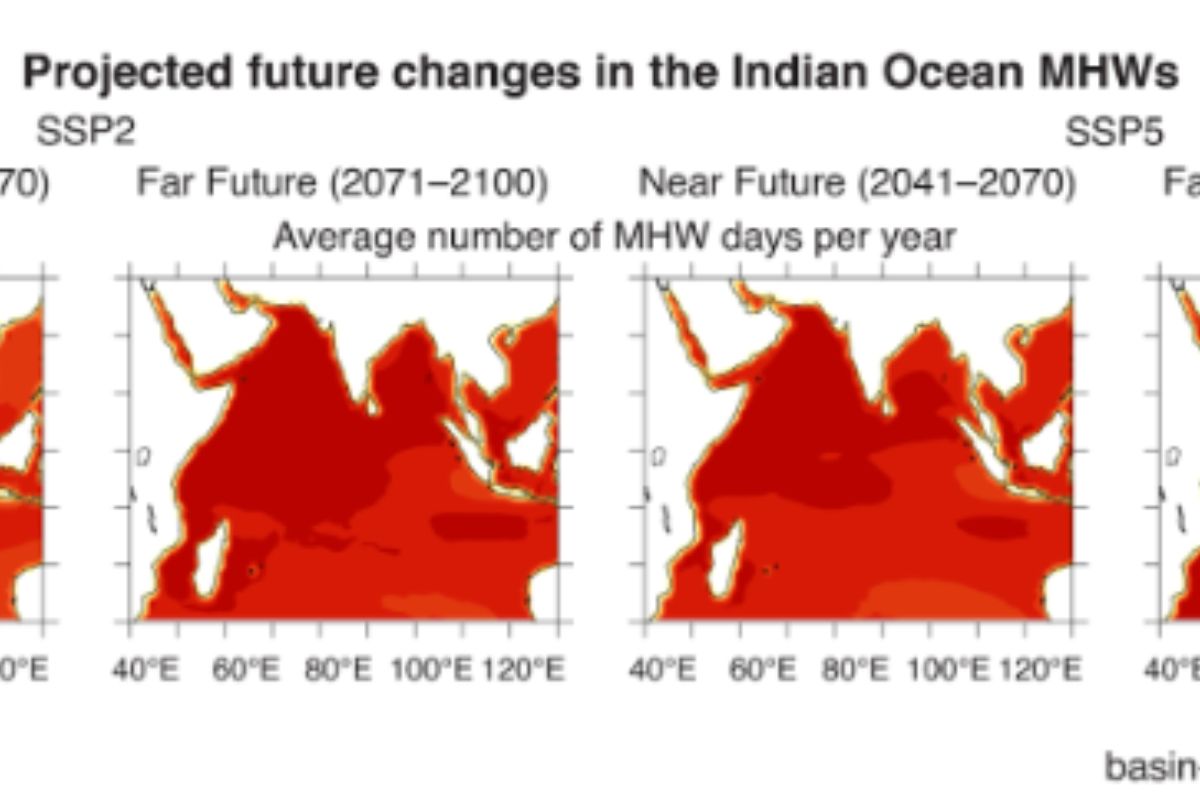
Understanding these changes is crucial for climate mitigation and adaptation efforts, essential for safeguarding our collective future.