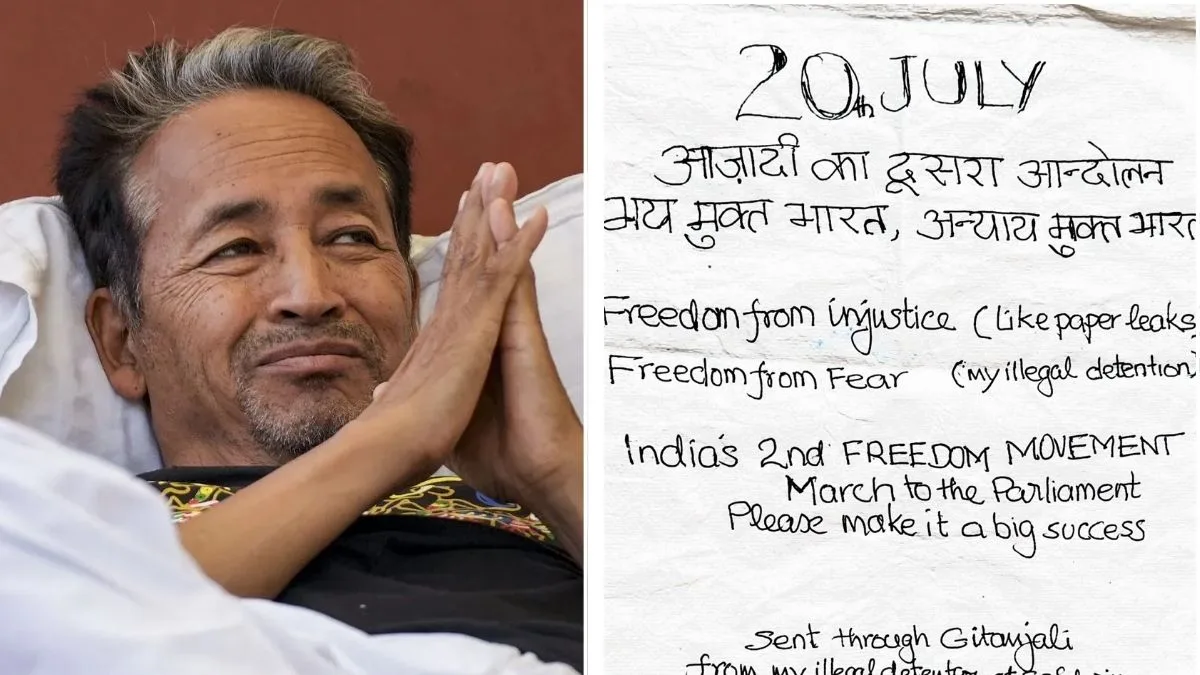
No non-veg ban under BJP rule in Assam, TMC spreading misinformation in Bengal: CM Himanta
"Mamata Banerjee is worried that once a BJP government is formed in West Bengal, the beef trade here will stop," the Assam CM added.
Vaccine hesitancy—a reluctance or refusal to vaccinate despite the availability of the vaccine—continues to be a growing global concern, exacerbated by the COVID-19 pandemic and fuelled by misinformation and distrust.





The development of vaccines is one of the most significant triumphs of contemporary science. Immunisations have prevented millions of deaths and remain a fundamental component of public health, from smallpox to polio to measles. However, vaccine hesitancy—a reluctance or refusal to vaccinate despite the availability of the vaccine—continues to be a growing global concern, exacerbated by the COVID-19 pandemic and fuelled by misinformation and distrust. A recent article published in a reputed journal provides an exhaustive summary of the research conducted on the effective and empathetic management of vaccine hesitancy.
A significant worldwide investigation revealed that the belief in the necessity of vaccinations for children decreased in 52 out of 55 nations amid the COVID-19 crisis. In the United States, around 20 per cent of parents show reluctance towards vaccines, leading to measles outbreaks that have caused fatalities among unvaccinated individuals this year. Health experts express concern over this trend. Doubt is not confined to marginal factions; it embodies intricate anxieties, valid enquiries, and, on occasion, profoundly personal encounters. Public health scientists have come to understand that messages that are dismissive or excessively directive are ineffective. A growing body of evidence suggests the importance of adopting more respectful, informed, and nuanced communication strategies.
Advertisement
There is a lot at stake. Vaccines are one of the most effective ways to prevent diseases from spreading, and they have saved more than 150 million lives in the last 50 years. However, people still don’t trust the authorities; therefore, scientists, doctors, and concerned community members continue to seek effective solutions to address doubts and misinformation. A decade of research on vaccine hesitancy is finally starting to reveal what works and what doesn’t when we have these important conversations.
Advertisement
Listen first, judge never
When someone shares their concerns about vaccines, the most essential thing to remember is not to ignore or judge them. Research indicates that thinking individuals are often misperceived as being dumb, foolish, or just victims of false information online, but this perception is incorrect and doesn’t help. Instead, the best way to deal with the situation is to actively listen, ask questions, and demonstrate genuine interest in the issues at hand.
Many people have genuine questions based on their own experiences or cultural backgrounds. The World Health Organisation states that there are three main reasons why people don’t want to get vaccinated: they lack trust in the healthcare system, believe the dangers are low, or face difficulties accessing vaccination.
A study, which looked at parental hesitation in seven European countries, revealed that worries usually start with very personal queries like “What will this do to my child?” “What will it do to my health?” These anxieties are generally based on accounts from friends or news reports about probable side effects, even though major side effects are rare and the benefits of vaccination considerably outweigh the risks for most individuals.
Share your perspective—But do it right
It’s crucial to give factual information and your own point of view once you’ve listened to and grasped the specific problems. However, the way you interact with others is very important.
Healthcare workers are the best people to have these talks with. A comprehensive evaluation from 2023 revealed that clear, consistent advice from trustworthy healthcare providers, which clarified misunderstandings and emphasised the benefits of vaccines, was strongly linked to higher immunisation rates, especially when delivered in person.
‘Motivational interviewing’ is one method that works well. This caring and polite approach begins with a suggestion to get vaccinated, but if someone says they don’t want to, the healthcare provider asks open-ended questions, such as “Why are you unsure?” After that, they listen to the concerns and give them specific information to help.
In Quebec, Canada, parents who received motivational interviewing sessions on maternity wards were more likely to have their kids properly vaccinated seven months later—76 per cent compared to 69 per cent in a control group. Because it was so effective, Quebec decided to implement the scheme province-wide, resulting in a nearly 7 per cent increase in vaccine coverage.
The power of personal stories
Anyone can contribute to positive change, regardless of their background in healthcare. Studies indicate that everyday individuals can effectively communicate pro-vaccine messages by making them relatable and personal. For individuals who may have some reservations, recounting your personal journey—explaining your decision to get vaccinated and the reasons behind your trust in vaccines—can serve as a persuasive influence.
Personal testimonials hold significant weight as they challenge the anecdotal narratives that frequently contribute to vaccine hesitancy. When individuals receive insights from reliable friends, family, or community members about favourable vaccination experiences, it serves as a counterbalance to the fear-driven narratives that are often spread online or via social media platforms.
Honesty and transparency matter
A significant insight from recent studies reveals that recognising uncertainties, instead of conveying information with complete assurance, often proves to be more impactful. A systematic review conducted in 2023 revealed that messaging filled with excessive confidence might lead to negative outcomes, whereas conveying the significance of the evidence and the agreement within the scientific community showed more favourable results.
For well-established vaccines like MMR, it is entirely reasonable to assert that they are completely safe, leaving no room for doubt regarding their safety profile. However, when it comes to the latest vaccines, it’s essential to recognise that researchers have limited long-term data. It’s crucial to clarify that the technology has undergone testing and that monitoring systems are in place to identify any issues that may arise promptly.
Researchers emphasise that the primary takeaway is that “the risks associated with not getting vaccinated, even with these uncertainties, would outweigh the risks of vaccination for most individuals.”
Recognising limitations
It is crucial to recognise that discussions by themselves are unlikely to alter everyone’s perspective. Experts suggest that approximately 2 per cent of individuals in affluent nations are firmly against vaccination, identifying them as true ‘anti-vaxxers’ who are unlikely to be influenced by any level of information or dialogue. The emphasis should be placed on the significantly larger segment of individuals who are truly uncertain and possess enquiries, yet are receptive to new information.
Furthermore, numerous vaccination gaps arise from logistical challenges rather than a lack of willingness. Studies indicate that a significant 27 per cent of American children initiate but fail to complete their complete immunisation series within the first two years of life, attributed mainly to challenges within the healthcare system rather than the attitudes of parents. In such instances, enhanced reminders and readily available services hold greater significance than discussions.
A multifaceted challenge
Confronting the reluctance towards vaccination necessitates a variety of strategies. Scholars are investigating strategies aimed at ‘pre-bunking,’ which equip individuals with the skills to recognise prevalent misinformation tactics prior to their online exposure. Efforts are underway to enhance communication approaches for social media platforms, where a significant amount of misinformation circulates.
When faced with vaccine misinformation on the internet, specialists advise using the same strategies that are effective in face-to-face interactions: refrain from being dismissive, participate in sincere dialogue, and convey accurate information with respect.
The path forward
Vaccine hesitancy remains a challenge for public health efforts, but research indicates that engaging in genuine conversations that foster listening, empathy, and the sharing of honest information can make a substantial difference. There is no one-size-fits-all solution to this complex problem, but every meaningful conversation is an opportunity to discuss concerns and potentially save lives.
You can help with vaccination initiatives whether you’re a healthcare worker, a parent, or a worried member of the community. You can help repair trust, which is crucial for maintaining people’s health, by listening without judgment, offering your perspective courteously, and being honest about the benefits and drawbacks of vaccines.
People don’t have to fight or disagree on vaccines. If you do it well, it may be an opportunity to interact, share information, and ensure that everyone can access the life-saving protection that vaccines offer.
The writer is the Dean of Academic Affairs, at Garden City University, Bangalore and an adjunct faculty at the National Institute of Advanced Studies, Bangalore. Views expressed are personal.
Advertisement