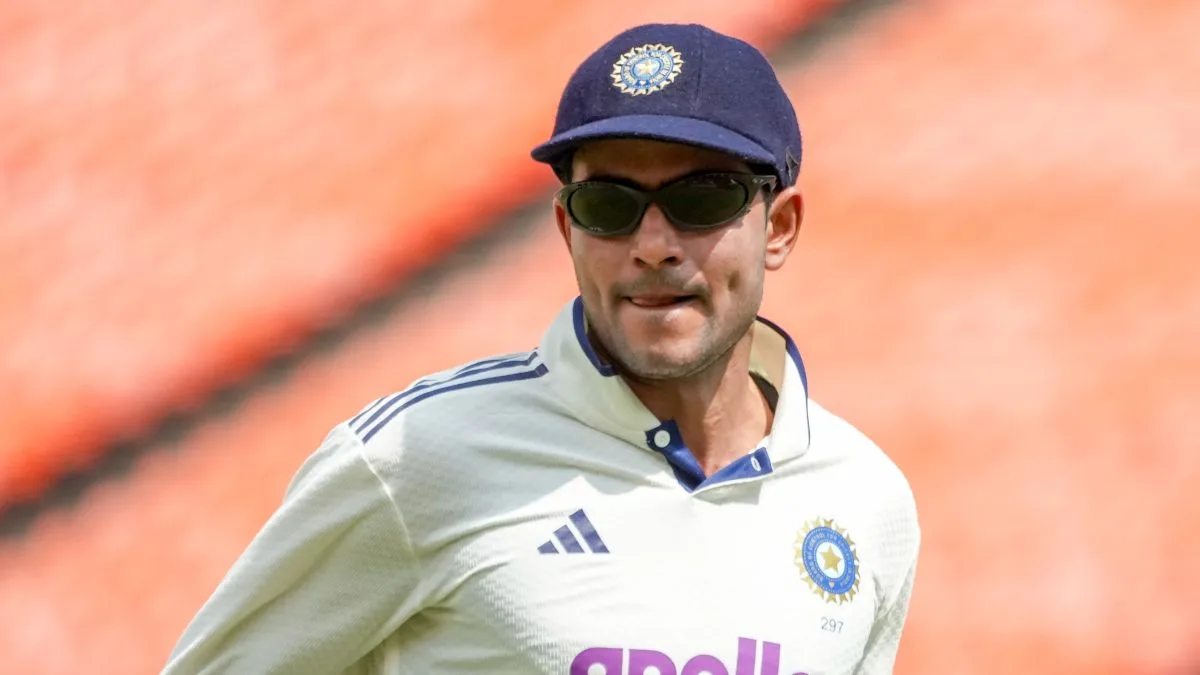
Being an all-format player in international cricket can be mentally and physically draining, given the near-packed calendar. India’s Test captain Shubman Gill, recently handed the charge of the ODI side and in line to succeed Suryakumar Yadav in the T20Is, acknowledges the mental demands of such a workload but is ready to embrace the challenge to achieve his ambitions across all three formats.
“Physically, most of the time, I feel fine, but sometimes, yes, there is mental fatigue, because when you are constantly playing, there is obviously a certain expectation that I have from myself, and to be able to keep up with my own expectations sometimes becomes the challenge,” Gill said on the eve of the second Test against West Indies here, in his first press conference since being appointed India’s ODI captain.
Advertisement
“But I think that’s the challenge, to be able to play all the formats for India, and I want to play all the formats and succeed in all the formats for the country, and win ICC titles. So, if I want to do that, then this is the challenge I have to go through,” he added.
Gill has taken over from Rohit Sharma as India’s ODI captain and will lead two former full-time captains, Rohit and Virat Kohli, when India play three ODIs in Australia later this month. With both Rohit and Kohli in their mid-30s and having retired from the other formats, questions remain about their longevity in 50-over cricket, especially with the next ODI World Cup just two years away.
“Absolutely,” Gill said when asked if he saw Rohit and Kohli playing an important role in ODIs leading into that World Cup. “The experience the two of them have [is immense], and there are very few players who can match the number of matches they have won for India.
“There are very few players in the world with such skill and quality along with that experience, and we look at it from that perspective,” he added.
Barely five months into his Test captaincy, Gill has already led the side from the front during the gruelling tour of England that eventually ended in a keenly-contested 2-2 draw. During the series, Gill stamped his authority with 754 runs, the second most by an Indian batter in a bilateral series, at an average of 75.40.
Gill, however, has already put that behind him and wants to keep looking ahead. “(The ODI captaincy) is obviously a big responsibility and an even bigger honour, so I’m very excited to lead my country in that format, and yes, the last few months have been very exciting for me, but I’m really looking forward to what the future has,” he said.
“I want to stay [in the] present as [much as] possible and don’t really want to look back on what I’ve been able to achieve or what we, as a team, have been able to achieve. Just want to look forward and win everything that we have in the upcoming months.”
When asked to compare the challenges of leading teams in red and white-ball cricket, Gill said Test cricket poses the toughest test for any captain. He was likely reflecting on missed opportunities during his first series in charge in England and could have won the five-Test series had they not let momentum slip away in a few crucial sessions.
“I feel in Test matches, the better team [in that match] does come on top at the end of the day because you’ve got more chances and more opportunities to make a comeback,” Gill said.
“Whereas in T20, if you have three or four overs of a bad period, there might be a case that you are completely taken away from the game. So, it is different in that sense.
“When you are playing a Test match, whenever a team wins a Test match, for that particular match, that team deserves to win the Test match because they played better cricket, not for two-three hours or not for one day, but consistently over a period of three, four, or five days.
“So the challenge is to stay on top for five days in a Test match, and that is more difficult than captaining in a T20 game. Whereas, in a T20 game, you get off to a really good start and then you maintain that, then you are sort of able to be on top of the game for the entirety of the game, but in a Test match, you can be on top for two days, but if you don’t turn up on day three, the other team can make a comeback,” he pointed out.