UNESCO extends helping arm to Bengal’s lone wooden doll manufacturering hub in Natungram
The UNESCO delegation arrived at Natungram on July 8 and conducted a door-to-door visit to get a first-hand assessment of the art form.
Global concern surfaced after the Assam Police arrested a prominent activist while he was protesting against a public-private partnership tourism venture near the world-famous Kaziranga National Park and Tiger Reserve.




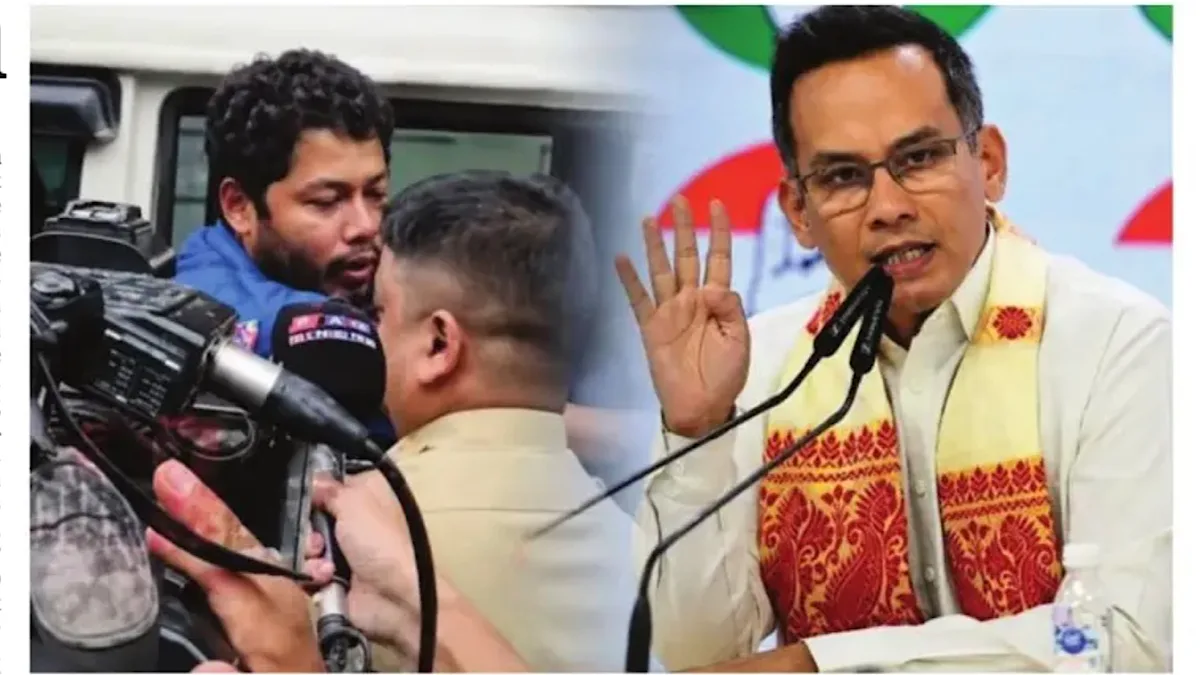
Photo:SNS
Global concern surfaced after the Assam Police arrested a prominent activist while he was protesting against a public-private partnership tourism venture near the world-famous Kaziranga National Park and Tiger Reserve. The Assam government recently allotted around 30 bighas of land for the project, comprising a luxury hotel and a tea tribe heritage museum at Ingle Pathar near the UNESCO World Heritage Site, sparking debate and protest demonstrations.
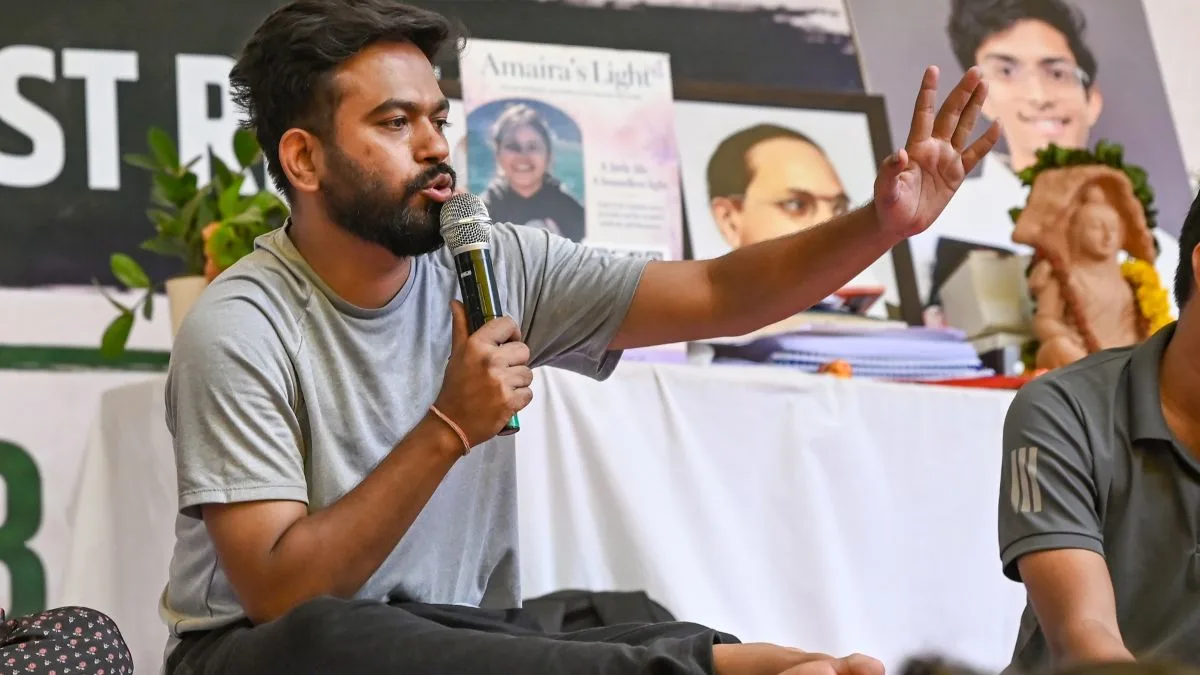
The land allotted to the Assam Tourism Development Corporation (ATDC) was allegedly reclassified without proper public consultation with the indigenous families who had been cultivating it for generations. Opponents claimed that more than 60 bighas of agricultural and community grazing land had been reclassified in recent years. A number of international rights bodies have sought the urgent and unconditional release of indigenous land rights activist Pranab Doley, who was picked up by a city police team from a rented accommodation in the Sundarpur locality of Guwahati on 12 July 2026.
Advertisement
He was later handed over to Bokakhat Police after a case (No. 108/2026) was registered under multiple provisions of the Bharatiya Nyaya Sanhita (BNS), including criminal conspiracy, intimidation, unlawful assembly, rioting, and assault on public servants. He was formally arrested the following day in Bokakhat, in eastern Assam’s Golaghat district, which houses the administrative headquarters of the Kaziranga forest reserve. For years, the land rights activist and socio-political leader from Assam’s indigenous Mising community has opposed the proposed Hyatt hotel at Kaziranga’s fringe area. Doley, a postgraduate from the Tata Institute of Social Sciences, claimed that the project would negatively impact the environment and the traditional rights of local communities.
Advertisement
According to the police complaint, Doley was the mastermind behind a protest demonstration at Ingle Pathar on 29 June, where an unruly mob allegedly arrived at the construction site with weapons, damaged property and threatened workers, leaving more than 10 police personnel injured. The convenor of the Greater Kaziranga Land and Human Rights Protection Committee, which works on indigenous rights, environmental conservation, sustainable development and community welfare, had contested the last two Assembly elections as an independent candidate but lost both contests. Following Doley’s arrest, the police also arrested two associates, Amit Nag and Brijit Kutum, while Bhaskar Saikia and Rajeev Pegu surrendered before a local court.
All of them are currently in police custody following the court’s direction. Some farming families have already relinquished their claims over the land and received compensation from the authorities, but a few remain unconvinced. At least 12 petitioners approached the Gauhati High Court, alleging that their land had been taken away by the revenue authorities without prior notice. The High Court, in June this year, issued notices to the ATDC following petitions challenging the acquisition of their land. While the matter remains sub judice, the arrests of Doley and others have been strongly opposed by organisations including Assam Nagarik Sanmilan, Asom Mojuri Shramik Union, Bhumi Adhikar Andolan and the Assam unit of the All India Kisan Mazdoor Sabha, among others.
Meanwhile, global rights bodies have issued statements over the past few days calling for their release. London-based Survival International promptly responded to the arrests of those protesting against a planned five-star Hyatt hotel near Kaziranga, which allegedly led to the eviction of more than 45 Adivasi families. It is part of a wider plan by the Assam government to transfer vast tracts of land adjoining the park to private companies for the construction of luxury resorts, according to a statement issued by Survival International director Caroline Pearce.
Arguing that Doley had done nothing wrong, she called for his immediate release. The authorities must release all those arrested and “cease valuing conservation and tourism over the fundamental rights of Indigenous peoples”, Pearce asserted. The Copenhagen-based International Work Group for Indigenous Affairs also condemned Doley’s arrest over his continued opposition to the Hyatt hotel project in Kaziranga, claiming that the action was an attempt to suppress his human rights advocacy and peaceful protests in the north-eastern state. Calling for Doley’s immediate release, the Baguio (Philippines)-based Indigenous Peoples Rights International alleged that his arrest formed part of a wider effort to criminalise Indigenous land defenders.
The Indigenous Rights and Protected Areas Initiative of the Indigenous Peoples Law and Policy Programme, based in Arizona, US, called upon the Union and Assam governments to release Doley and withdraw all charges arising from the legitimate and peaceful exercise of his right to freedom of expression. It also sought guarantees for his physical and psychological integrity while in custody, along with unhindered access to legal counsel, his family and independent medical care.
The Chiang Mai (Thailand)-based Asia Indigenous Peoples Pact, along with the Indigenous Peoples Human Rights Defenders Network and the Platform for Asia Indigenous Peoples Territorial Rights, strongly condemned Doley’s arrest and continued detention. Expressing unwavering solidarity with him, his family, colleagues and the indigenous communities of Assam, the organisations also urged India’s National Human Rights Commission, the National Commission for Scheduled Tribes, the UN Special Rapporteur on the Rights of Indigenous Peoples, the UN Special Rapporteur on the Situation of Human Rights Defenders, and the wider international human rights community to closely monitor the case and take appropriate action to ensure the protection of Doley’s rights and those of the affected indigenous communities.
More recently, the Geneva-based United Nations Working Group on Business and Human Rights expressed deep concern over the arrests of Doley and the four others, stating that “such arrests and prosecutions can have a chilling effect on civic space and discourage others from speaking out against abuses”. “States must ensure human rights defenders are able to exercise their right to protect, defend and promote human rights, and carry out their work safely and without fear of intimidation, reprisals or criminalisation,” the group of UN experts said. Earlier, Assam Congress president Gaurav Gogoi criticised the government over the arrests, accusing the Bharatiya Janata Party-led government in Dispur of using the police to suppress democratic dissent.
The Deputy Leader of the Opposition in the Lok Sabha said that silencing voices of disagreement was inconsistent with the character of Indian democracy. Assam legislator Akhil Gogoi also denounced the government’s action against activists from indigenous communities. He staged a protest on the premises of the Assam Legislative Assembly, while the Budget Session was underway, to highlight the issue of alleged land grabbing by the government. However, the Assam government argued that the proposed tourism project near Kaziranga would benefit local people in various ways.
Chief Minister Himanta Biswa Sarma said that a luxury hotel would create jobs and other employment opportunities for local families. He expressed dismay that some motivated elements were working against the project in the name of Kaziranga and its ecological sensitivity. His views were echoed by state minister and local legislator Atul Bora, who maintained that the land belongs to the government. The government, recognising the growing number of visitors to Kaziranga every year, decided to establish the museum, Bora said, adding that the tea plantation community in particular, along with the majority of local residents, had wholeheartedly supported the initiative.
(THE WRITER IS A GUWAHATI-BASED SPECIAL REPRESENTATIVE OF THE STATESMAN)
Advertisement