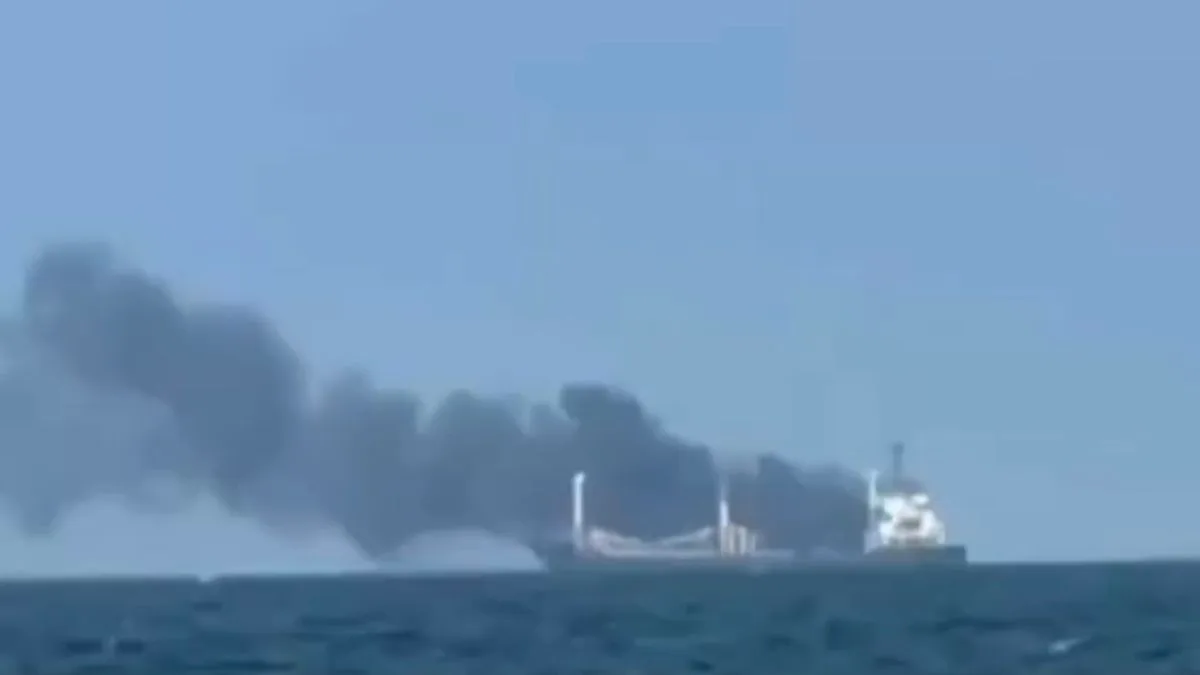
The recent capsize of a Liberian-flagged cargo vessel off the coast of Kerala is a stark reminder of how ill prepared we are for ecological emergencies in our maritime zones. While the swift rescue of all 24 crew members is commendable, the deeper crisis lies in what the sea has now inherited ~ a toxic brew of oil, diesel, and hazardous cargo, some of which is already drifting dangerously close to our shores. This is not just a shipping mishap; it is a wake-up call. The vessel was carrying over 450 metric tonnes of fuel and chemicals, including calcium carbide, which reacts with seawater to release flammable acetylene gas. With containers washing ashore and emergency alerts sounding along the Kerala coastline, the threat has quickly shifted from offshore to onshore. Coastal residents have been warned not to touch any debris, and fishermen have been advised to steer clear of the wreck site.
For a state that depends heavily on both marine biodiversity and coastal tourism, the long-term implications could be severe. Kerala’s coast is among the most ecologically sensitive regions in the country, home to fragile mangrove ecosystems, coral reefs, and a variety of marine species. Yet, incidents like this expose a troubling gap between our environmental vulnerability and our operational readiness. India has an extensive coastline, but how many of our states are truly prepared to manage a large-scale marine pollution crisis? Containment measures, though underway, are often reactive, piecemeal, and heavily reliant on central agencies like the Coast Guard.
Advertisement
Local preparedness ~ both in terms of infrastructure and awareness ~ is sorely lacking. Moreover, the increasing frequency of such incidents raises difficult questions about the regulatory frameworks governing hazardous cargo shipping in Indian waters. What protocols are in place for screening vessels entering our maritime zones? How transparent is the cargo manifest reporting system? Are ports equipped to monitor compliance effectively, or are we allowing profit to outpace precaution? This disaster may well pass from the headlines in a few days, but the environmental residue will linger ~ seeping into the soil, poisoning marine life, and altering livelihoods.
It’s a sobering reminder that while we chase economic growth through expanded maritime trade, our environmental policies remain tethered to out-dated playbooks. India urgently needs a maritime ecological doctrine that integrates environmental safety with commercial activity. This includes not just better surveillance and faster response systems, but also tougher laws on hazardous cargo, stringent enforcement at ports, and community-based awareness programmes for coastal populations. The ocean is not an infinite buffer. What we spill into it today, we will inherit tomorrow ~ on our beaches, in our food, and in the very air we breathe. The Kerala incident is not an exception; it is a preview. We ignore it at our peril.