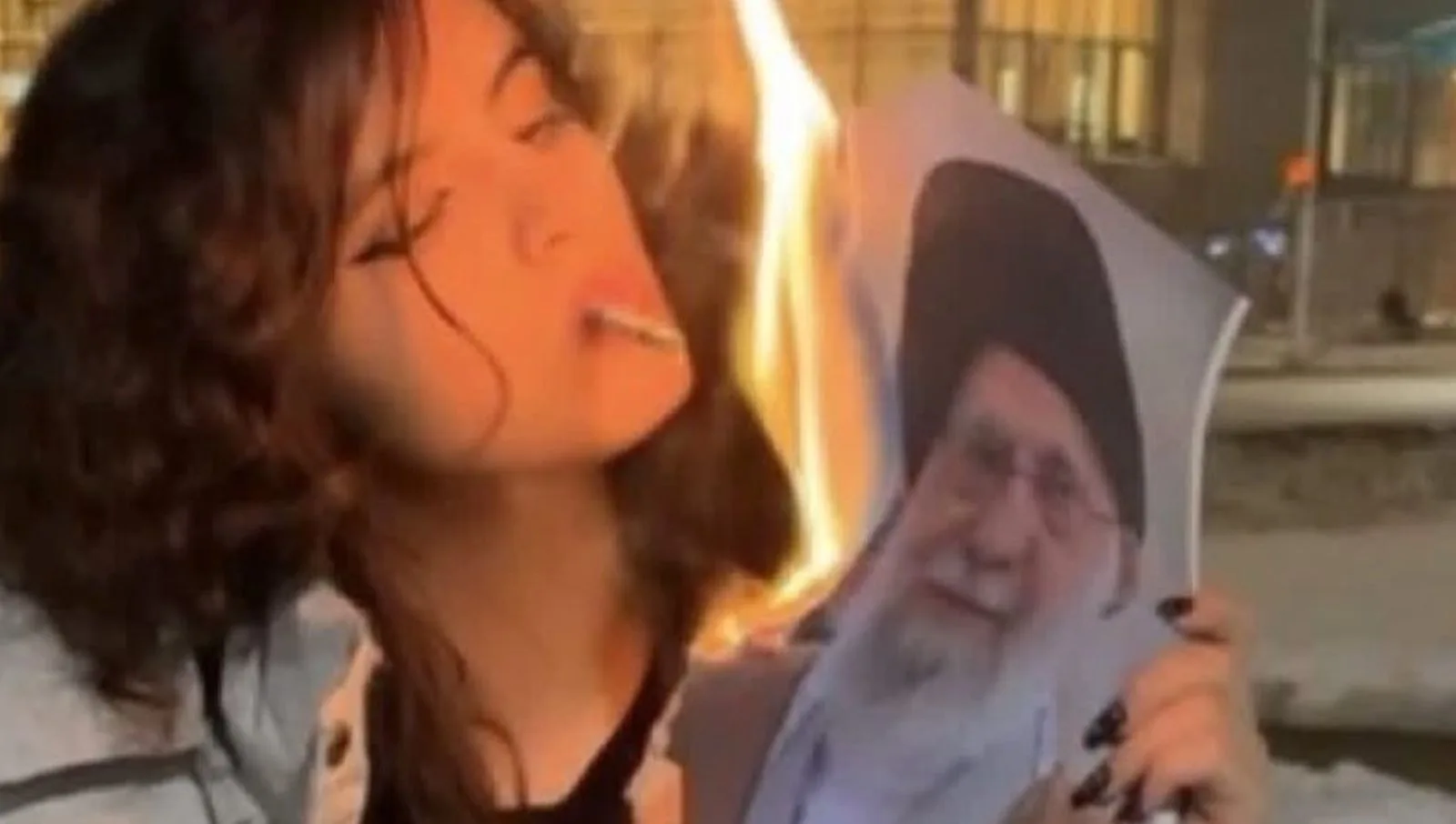
Iran today stands at an uneasy intersection of internal decay and external pressure. The streets are restless, the economy is brittle, and the leadership is visibly unsettled. Yet the Islamic Republic is not collapsing. It is something more complex and, in many ways, more dangerous: a hardened state entering a prolonged phase of instability. The immediate trigger is domestic. Years of inflation, currency erosion and shrinking opportunities have hollowed out daily life for millions. What began as economic anger has matured into political resentment. The protests that now surface across cities and social groups are no longer confined to students or activists.
They cut across class, geography, and ideology. This breadth matters. It signals not a single grievance but a systemic loss of faith. The regime’s response has followed a familiar script: force, fear and information control. Arrests, internet shutdowns and lethal crackdowns have restored order on the surface but solved nothing underneath. Each cycle of repression lowers the psychological barrier to dissent. Each wave of protests leaves behind a residue of anger and courage that does not disappear when the streets fall quiet. This is how legitimacy erodes – not dramatically, but steadily. External pressure has sharpened the tension. There is open talk of military options by the United States and threats of retaliation by Tehran now in a defensive crouch. The leadership sees foreign hostility as an existential risk. That perception shapes its behaviour: harder lines, fewer concessions, and greater reliance on coercion.
Advertisement
The danger is not that outside pressure causes unrest, but that it convinces the regime that compromise is weakness. The more threatened the state feels, the less flexible it becomes. Some observers draw parallels with other fallen regimes like Venezuela’s that hollowed out their economies and lost public trust. But Iran is not a personality cult balanced on a single strongman. It is a dense system of institutions, ideology, and security power. It can endure pain. It can absorb isolation. It can suppress revolt. That makes it resilient ~ but not stable. The most likely path ahead is neither reform nor revolution.
It is a grinding middle: periodic protests, recurring crackdowns, worsening economic conditions and rising emigration – a society that no longer believes, and a state that no longer persuades. This is a recipe for chronic volatility. The greatest risk is miscalculation. A massacre that provokes external intervention. A regional strike that spirals beyond intent. A leadership transition that exposes elite fractures. In such moments, tightly controlled systems can unravel quickly. History shows that authoritarian states rarely fall when they are strongest. They fall when pressure meets uncertainty. Iran is entering such a zone. It is rattled, not ruptured. But the corridor is narrowing. Repression may buy time, but it will not buy legitimacy. Between a society that no longer consents and a world that no longer accommodates, Iran faces a future that is not yet terminal but undeniably unstable.