India-Bangladesh: Storm in a tea cup
Bangladesh’s Islamist and Jamaat-aligned political spectrum immediately interpreted Dinesh Trivedi's remarks as evidence of “India’s hegemonistic designs”.
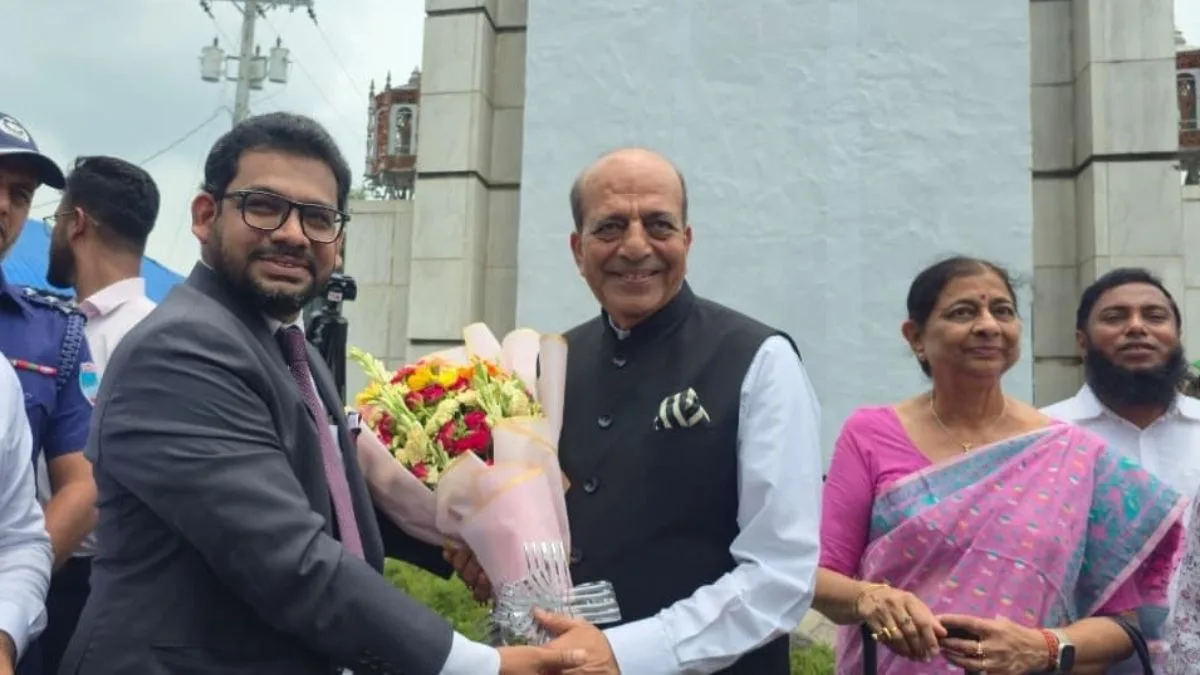
Bangladesh’s Islamist and Jamaat-aligned political spectrum immediately interpreted Dinesh Trivedi's remarks as evidence of “India’s hegemonistic designs”.

India's fuel policy is increasingly being shaped by blending targets. First came ethanol blending mandates.
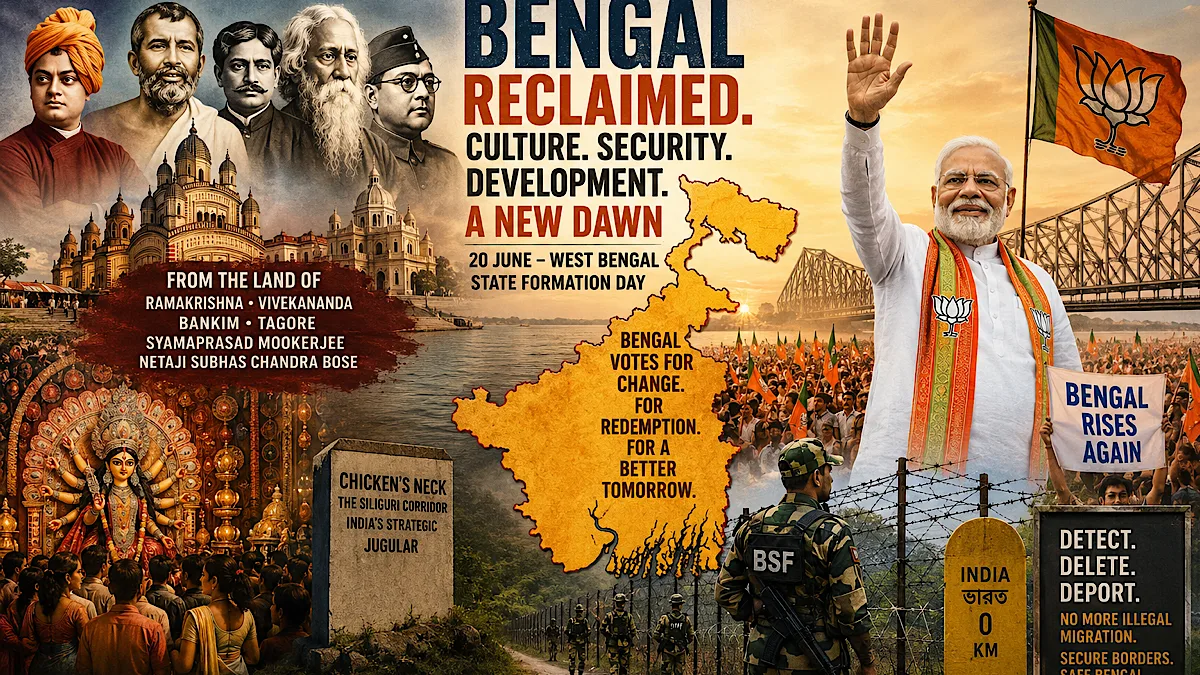
West Bengal is not merely a state. It is, in the telling of those who sought to win it back from the Trinamool Congress, a civilisational citadel - the cradle of the Bengal Renaissance, the land of Ramakrishna and Vivekananda, Bankimchandra and Tagore , Shyamaprasad Mookerjee and Netaji Subhas Chandra Bose.

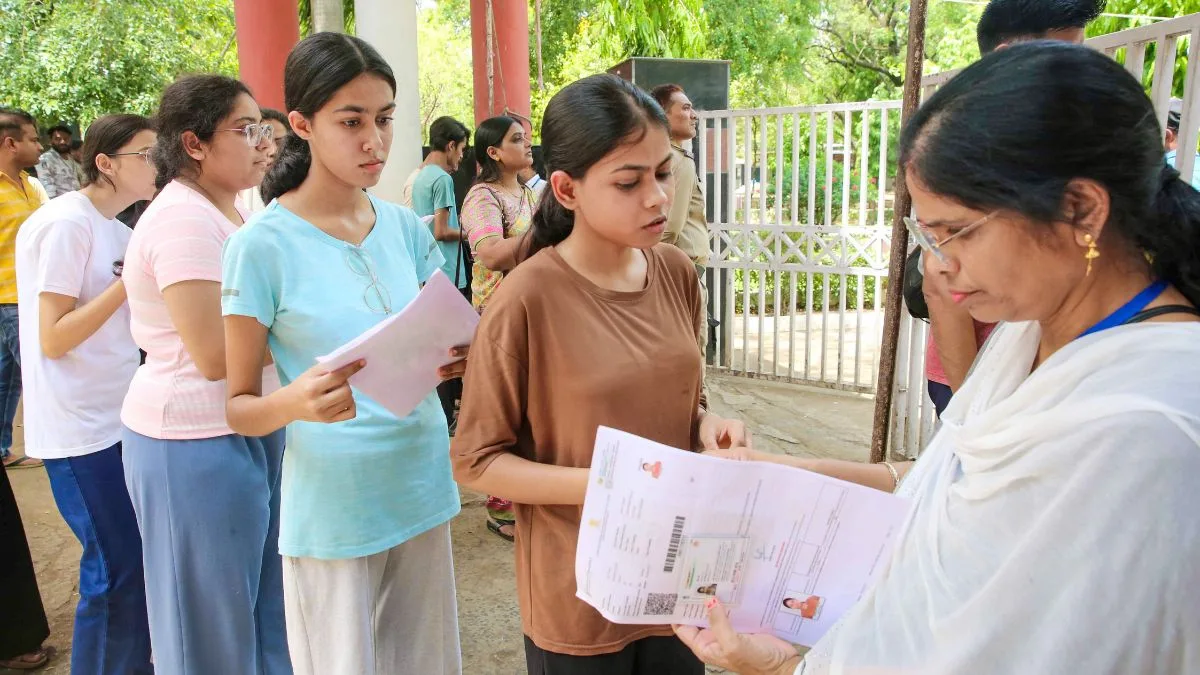
India's temporary restriction on Telegram ahead of the NEET-UG re-examination has dominated headlines.
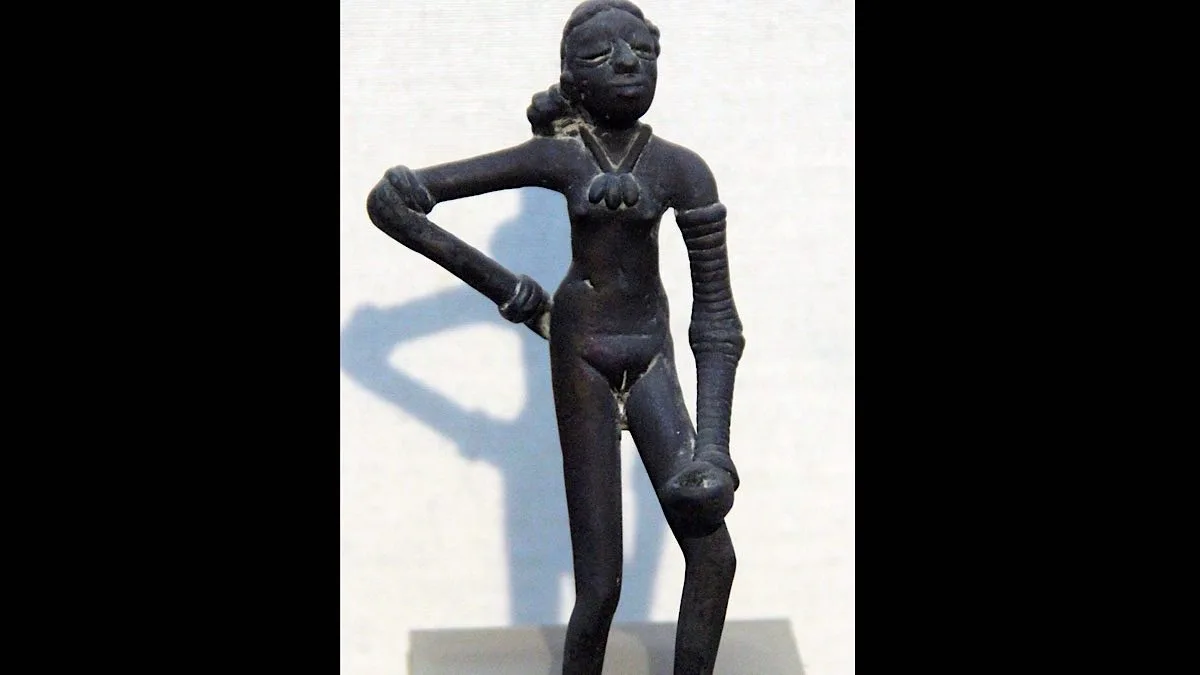
There is something profoundly ironic about a civilisation becoming embarrassed by one of its oldest mirrors.

The initiative of Jal Sahelis or water volunteers in Central India has won widespread appreciation in India. Several of them have received awards for their inspirational work.
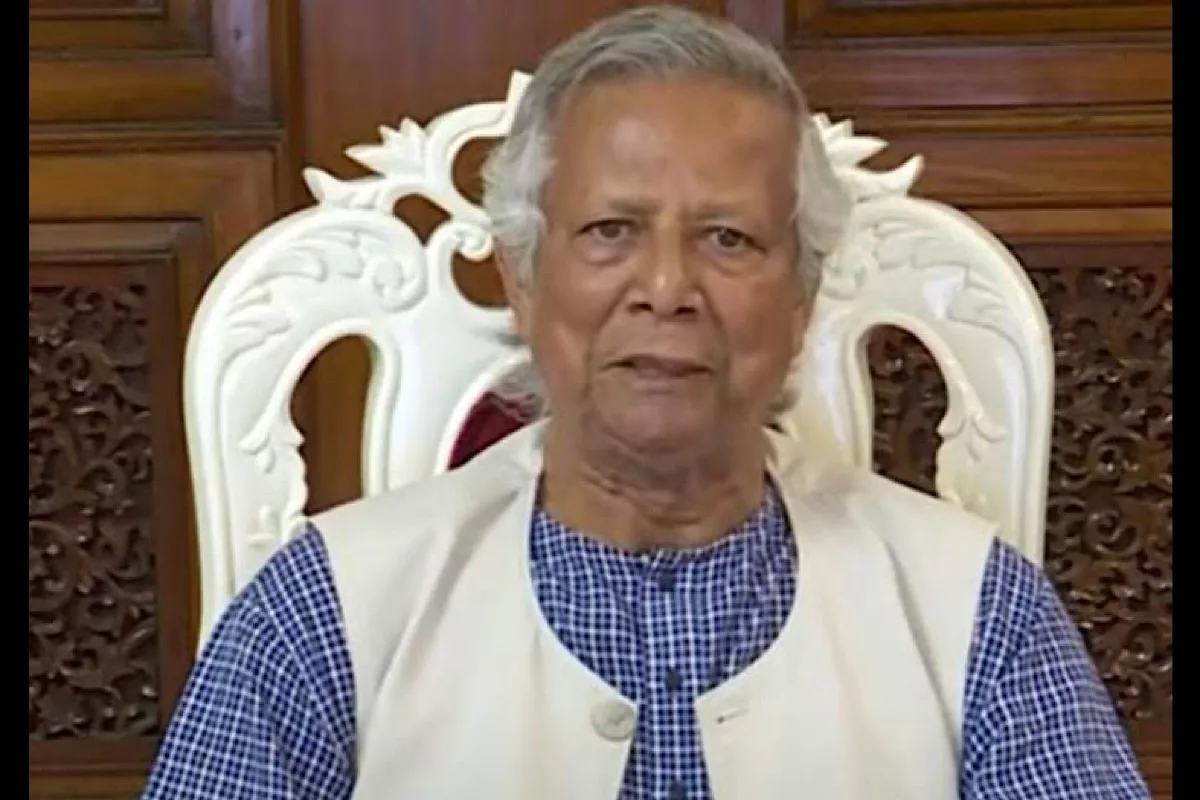
Bangladesh leader Muhammad Yunus’ visit to China this week marks a critical moment in South Asian geopolitics.

The accidental inclusion of journalist Jeffrey Goldberg in a high-level online group chat involving top US officials has raised critical concerns about the handling of sensitive national security communications.

Sri Ramakrishna wasn’t a follower of the claptrap Hinduism usually ladled out to gullible simpletons. His established faith was: Each religion is great as it assists one to reach God. There was a perfect consistency between his belief and behaviour. He mixed freely with Christians, Sikhs, Muslims, Brahmos and others.

The recently published draft NCTE (Recognition Norms and Procedure) Regulations, 2025, has attracted great attention across stakeholders—and rightly so.