Striving for the Gandhian ideal
Generally, it is taken for granted that the journey on the path of development is accompanied by increasing urbanization.

Generally, it is taken for granted that the journey on the path of development is accompanied by increasing urbanization.

A doctor and nursing staff at a Maharashtra hospital were allegedly assaulted by a local corporator, exposing a disturbing irony.

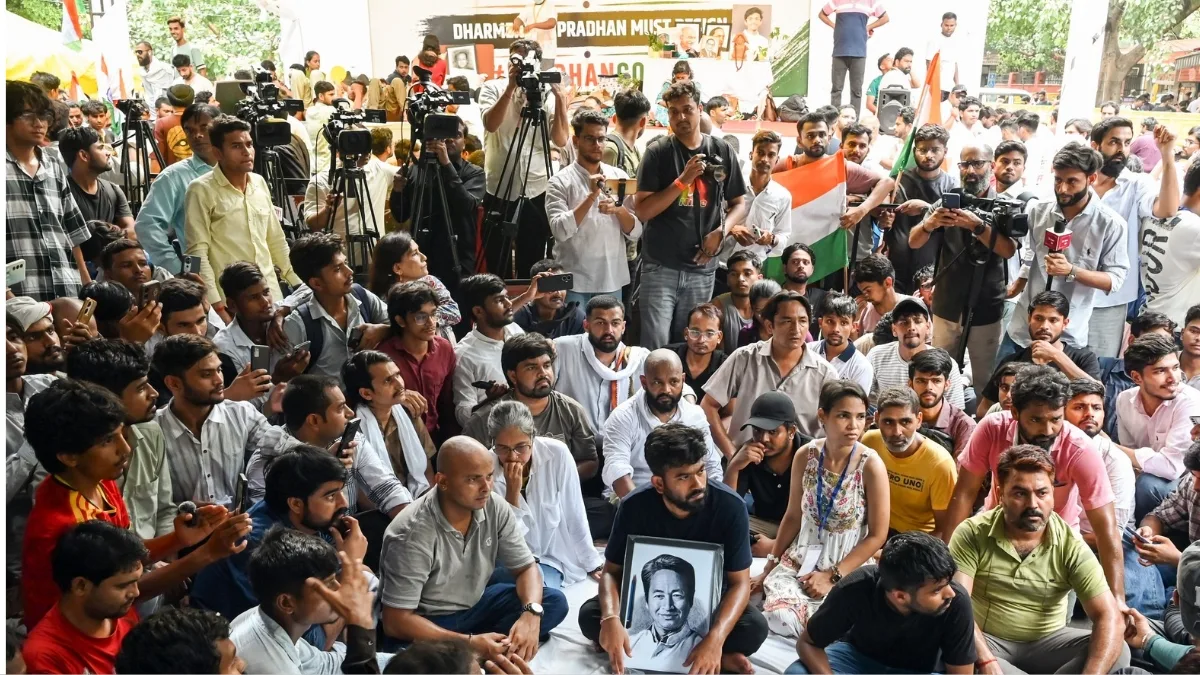
The barricading of the Shambhu border in Haryana to prevent farmers from travelling to Delhi raises a question larger than the protest itself.
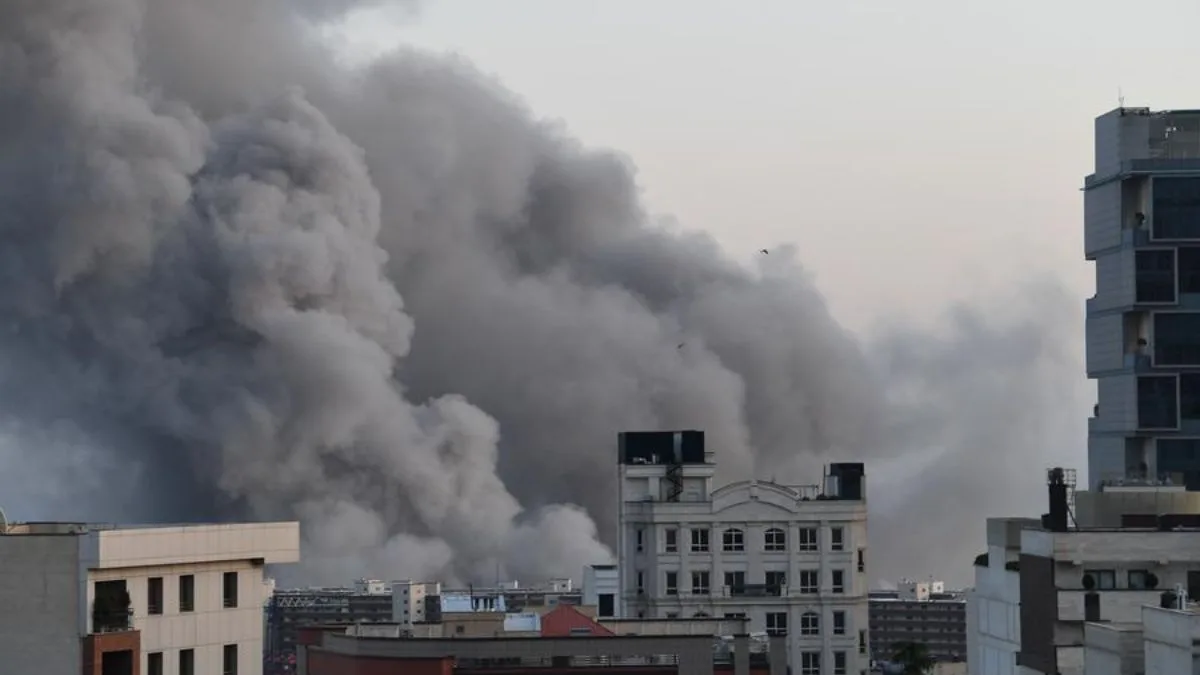
The renewed war between the United States and Iran has again placed American and Israeli military interests on apparently common ground.
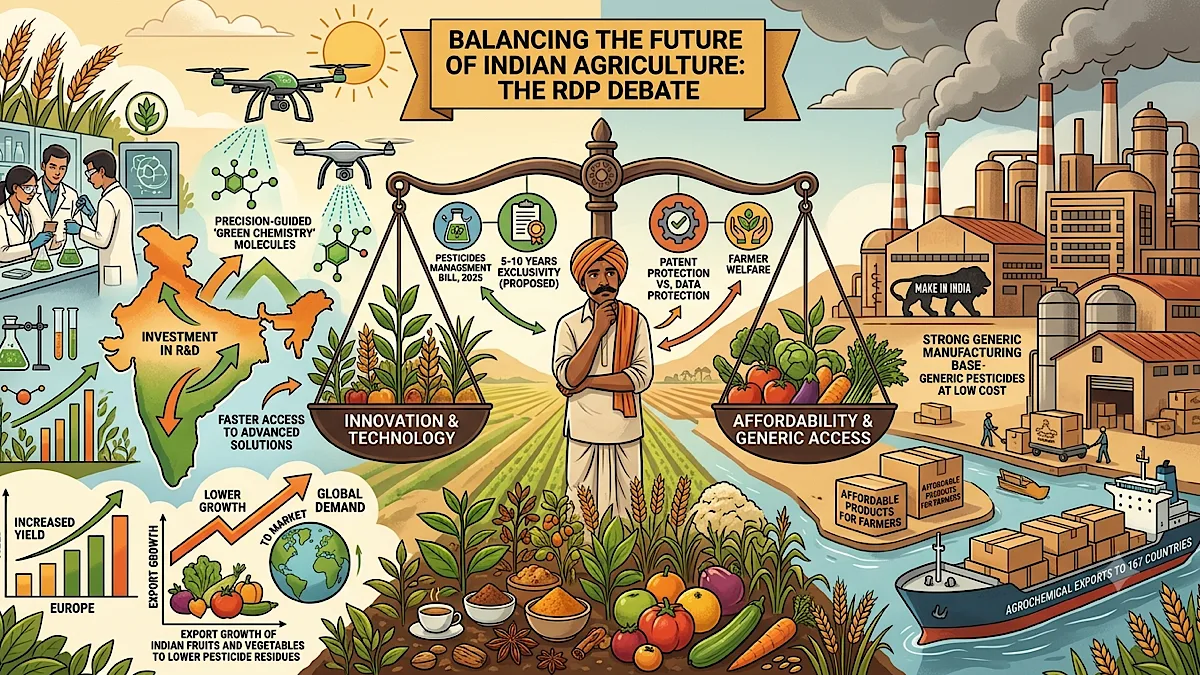
India’s agrochemical industry, a major global hub for crop protection product manufacturing, is at the heart of a significant policy discussion that could shape the future of agricultural innovation, domestic production, exports, and farmer welfare.

More than a century after she broke into one of Britain’s most exclusive medical institutions, Jamini Sen is only now being restored to public memory ~ through a recent biography and renewed institutional recognition.

When the United States Treasury Department authorises the sale of oil from Iran while simultaneously prosecuting a conflict against it, policy ceases to be doctrine and becomes improvisation.

Anthropic has since launched a formal programme to study “model welfare.” These are serious claims from serious people. They deserve a serious answer ~ and that answer was formulated, with far greater precision than anything Western analytic philosophy has yet managed, in the forests and universities of ancient Bharat.

Governance, cultural assertion, and a fractured Opposition give Himanta Biswa Sarma a decisive edge ahead of the Assembly elections, due on 9 April The political landscape of Assam appears to be settling into a familiar pattern, one that strongly favours continuity under the Bharatiya Janata Party.
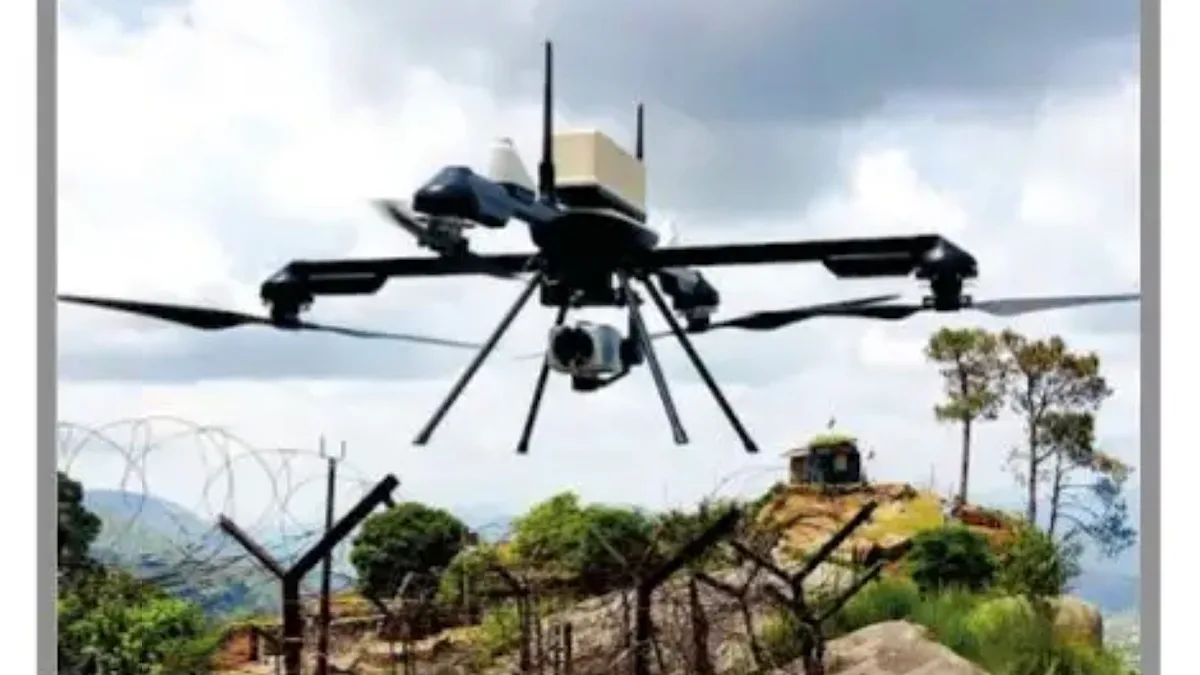
The 21st century has ushered in an era of Artificial Intelligence (AI), drones, robots, and advanced missile systems.