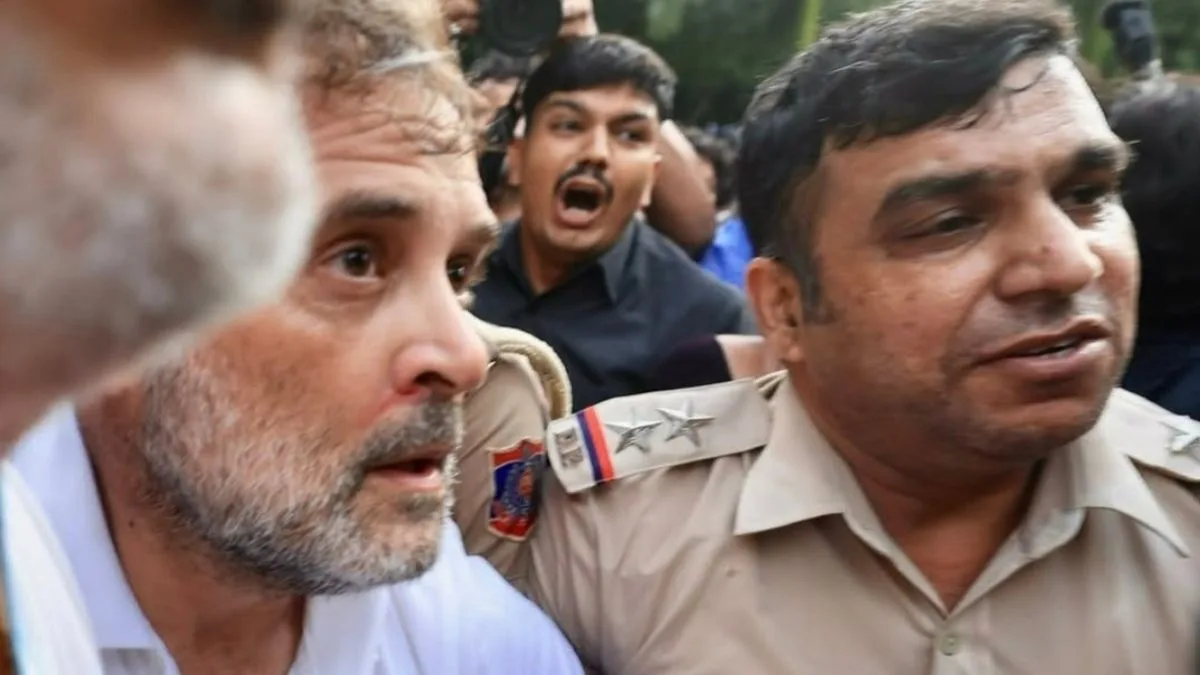
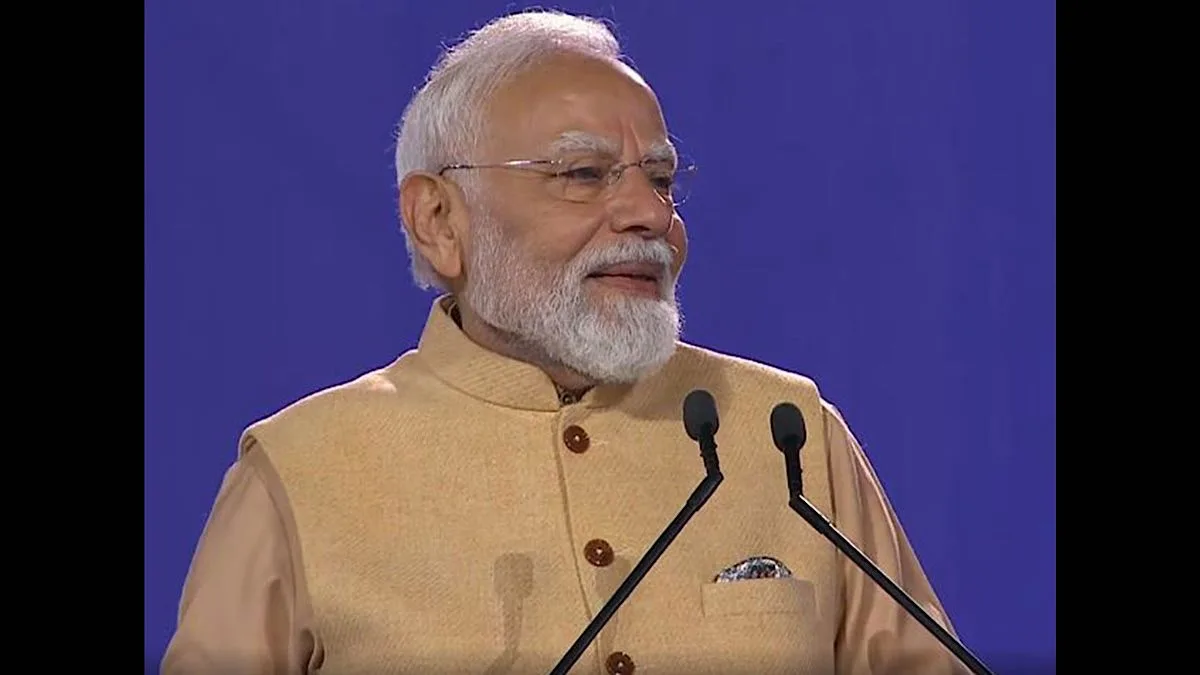
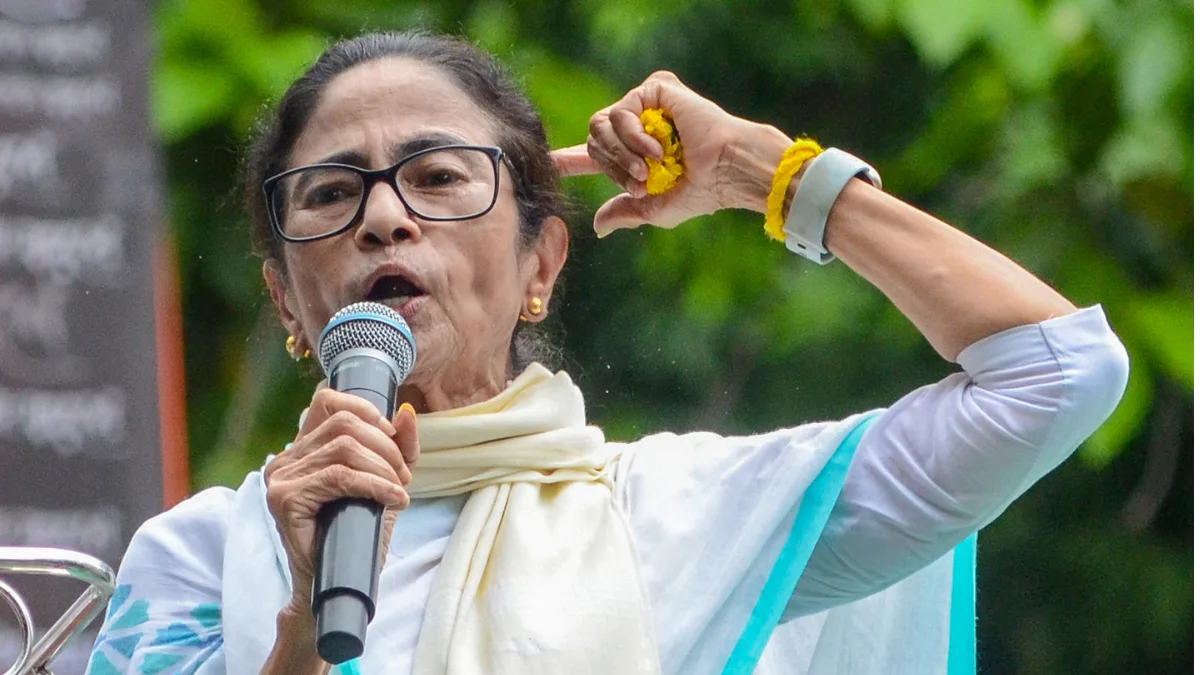
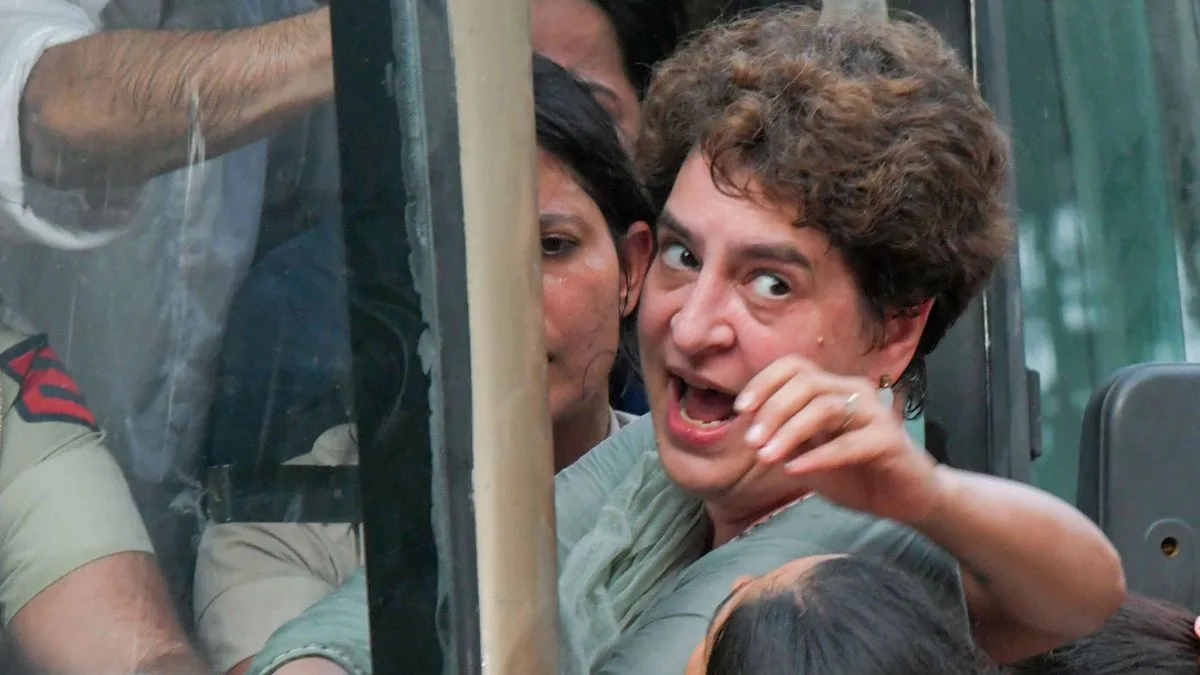
Mamata’s call for anti-BJP unity at Martyr’s Day rally junked by Congress, Left
Bengal BJP president Samik Bhattacharya said Mamata Banerjee should first focus on uniting her own party before attempting to forge an opposition alliance.
India today finds itself at the sharp edge of an international standoff that is as much about global power politics as it is about energy economics.





Representative Image (Photo Credits:IANS)
India today finds itself at the sharp edge of an international standoff that is as much about global power politics as it is about energy economics. The country’s reliance on imported oil is not a matter of choice but of necessity. With a population of 1.4 billion and a growing economy, ensuring affordable and stable energy supplies is a prerequisite for national stability. Against this backdrop, India’s willingness to continue sourcing crude from Russia despite heavy external pressure is a statement of strategic intent. The logic is straightforward.
Since the Ukraine conflict disrupted global energy flows, Russian crude has been offered at steep discounts. For a country like India, which imports more than 80 per cent of its oil, refusing such supplies would mean not only higher energy costs but also inflationary shocks cascading across its economy. The calculus here is not ideological but pragmatic: energy security trumps geopolitical alignment. This pragmatism has inevitably drawn criticism. The United States argues that India’s imports indirectly sustain Russia’s war effort. In response, Washington has imposed sweeping tariffs, explicitly targeting Indian goods to pressure Delhi into compliance. Yet the fairness of this pressure is questionable. Other large importers of Russian energy, including major economies in Europe and Asia, have not been subjected to the same level of punitive measures. The selective application of secondary sanctions highlights that this is less about moral consistency and more about leverage in bilateral relations. India’s stance rests on the principle of strategic autonomy ~ a doctrine that has guided its foreign policy since independence. By refusing to be cornered, India signals that its decisions will be based on national interest rather than external diktat.
Advertisement
That does not imply alignment with Russia’s policies, nor does it suggest indifference to the tragedy unfolding in Ukraine. Rather, it reflects a balancing act: maintaining ties with Moscow, engaging diplomatically with Kyiv, and continuing to partner with Washington where interests converge. The consequences of this balancing act are profound. Economically, India risks short-term pain through higher tariffs on its exports to the US. Politically, it may face renewed scepticism about its role as a strategic partner in the Western camp. Yet, in the long run, India’s insistence on making sovereign choices strengthens its credibility as an independent actor on the world stage.
Advertisement
Nations that are consistent in defending their autonomy, even at economic cost, are more likely to be respected as genuine powers rather than pliant allies. At its core, the debate is not simply about oil, but about agency. The decision to buy where the deal is best is an assertion that India’s path to energy security ~ and by extension, its economic stability ~ cannot be dictated from abroad. It is a reminder that multi-polarity is not built on uniformity, but on the ability of states to pursue their interests without surrendering sovereignty
Advertisement