Soft power now speaks a new language
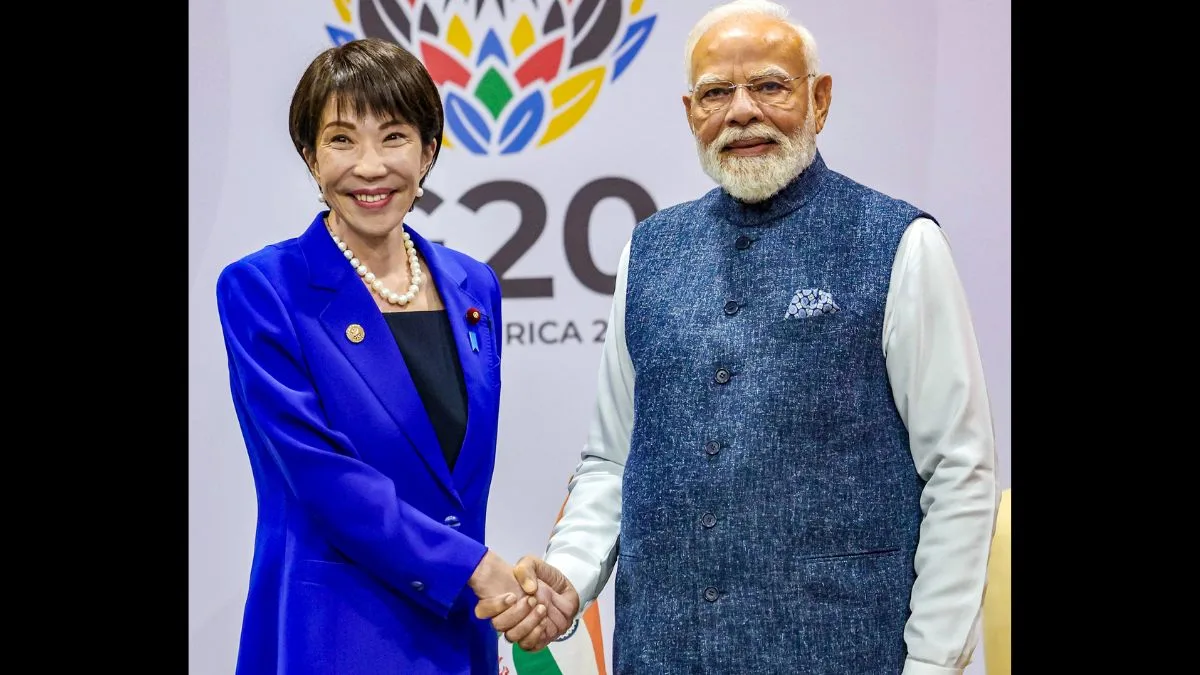
Soft power in today's day and age of complex geopolitics has departed from the conventional nomenclature given to it.
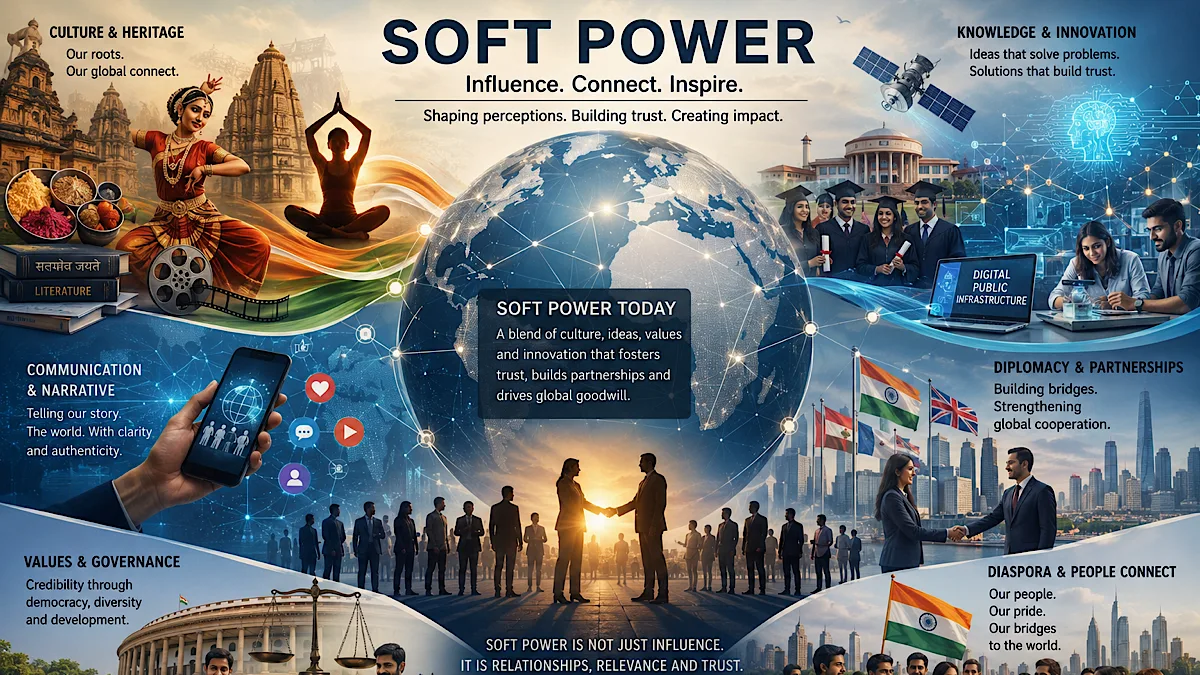
Soft power in today's day and age of complex geopolitics has departed from the conventional nomenclature given to it.
When Prime Minister Narendra Modi launched the Digital India Mission on 1 July 2015, many saw it as an ambitious technology programme aimed at expanding internet access and digitising government services.

For decades, India’s social contract rested on an assumption that required little intervention from the state: families would care for their elderly.

Every democracy owes two debts to its soldiers. The first is to equip them well enough to fight.
India is building its energy future on several pillars at once: bio-ethanol, coal gasification, renewables, and nuclear power.

The widespre ad misconception that the Reserve Bank of India’s (RBI) “intervention” (selling dollars), in India’s inter-bank “foreign exchange” (forex) market, by itself, depletes India’s dollar reserves, needs to be cleared.
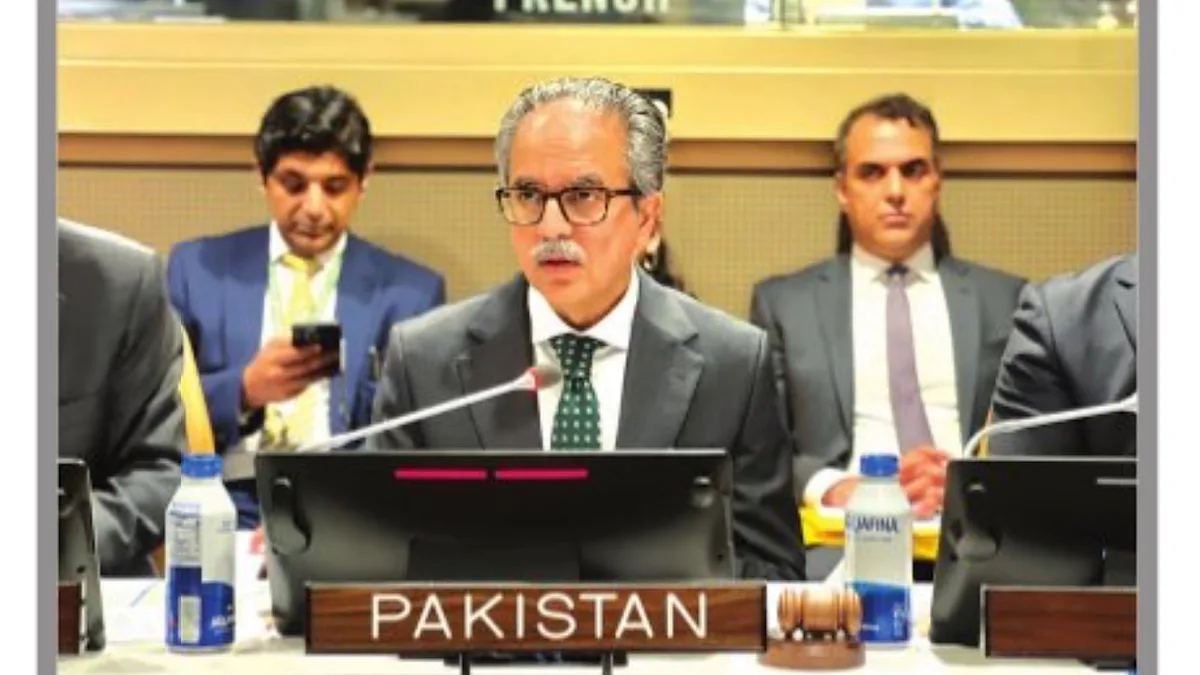
Speaking as the co-chair at the Arria-formula meeting of the Security Council on ‘Bridging the Implementation Gap: Security Council Resolutions and the Maintenance of International Peace and Security,’ Pakistan’s permanent member to the UN, Asim Iftikhar Ahmad, raised Kashmir as expected.
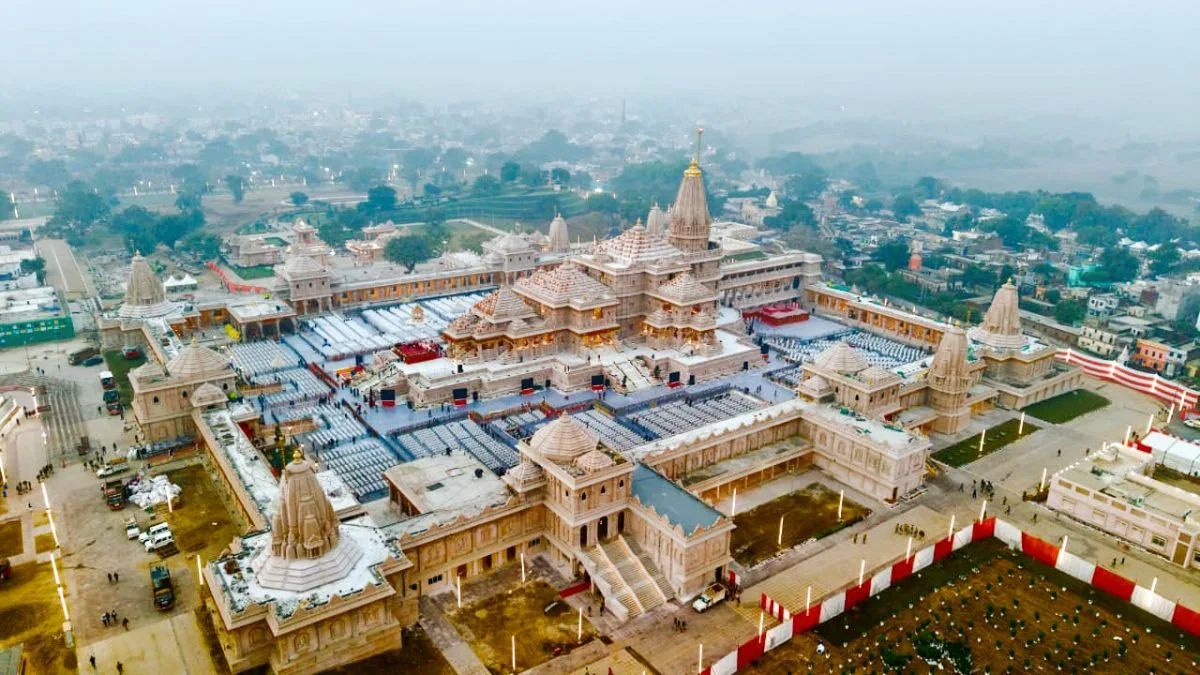
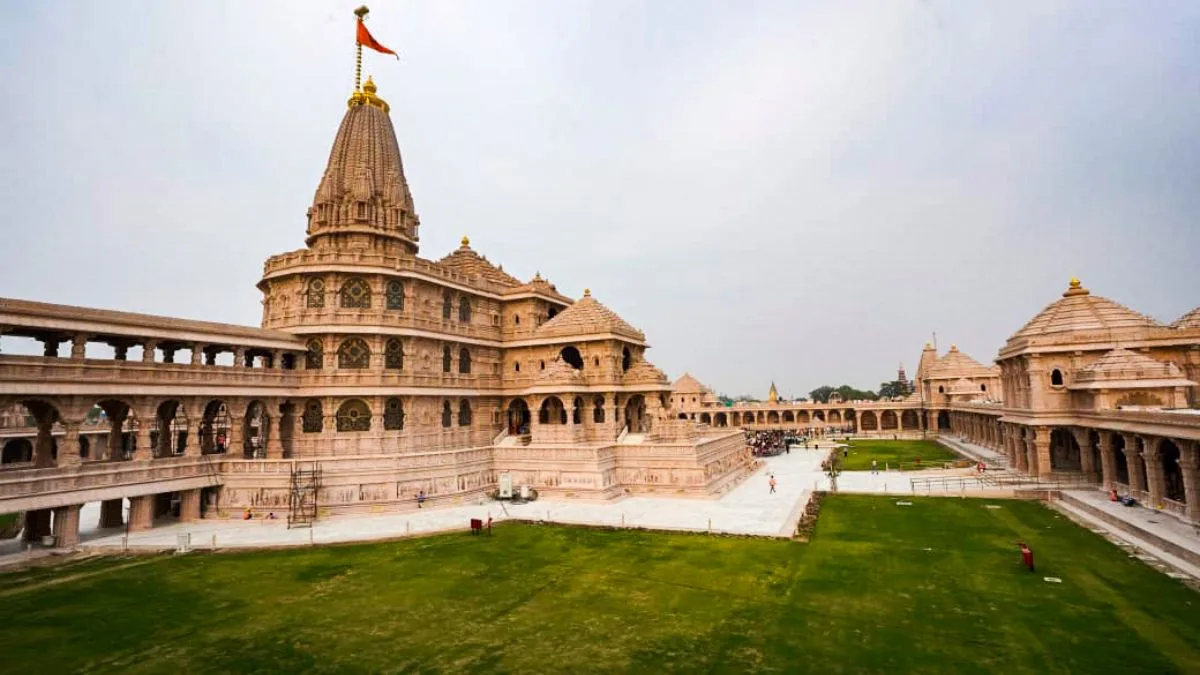
The controversy surrounding alleged irregularities in donations to the Ram Janmabhoomi temple is no longer merely about missing cash or precious metals.
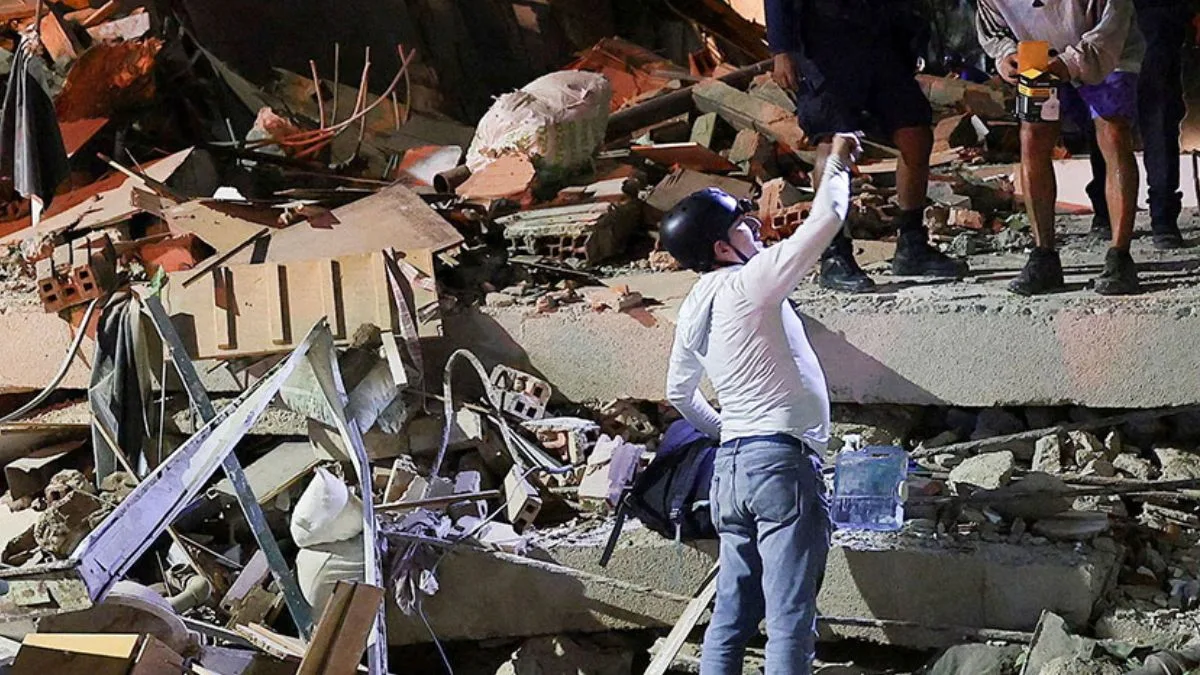
The devastation caused by Venezuela’s twin earthquakes will ultimately be measured not only by the number of lives lost, but by what the disaster reveals about the strength ~ or weakness ~ of the institutions expected to protect citizens when catastrophe strikes.
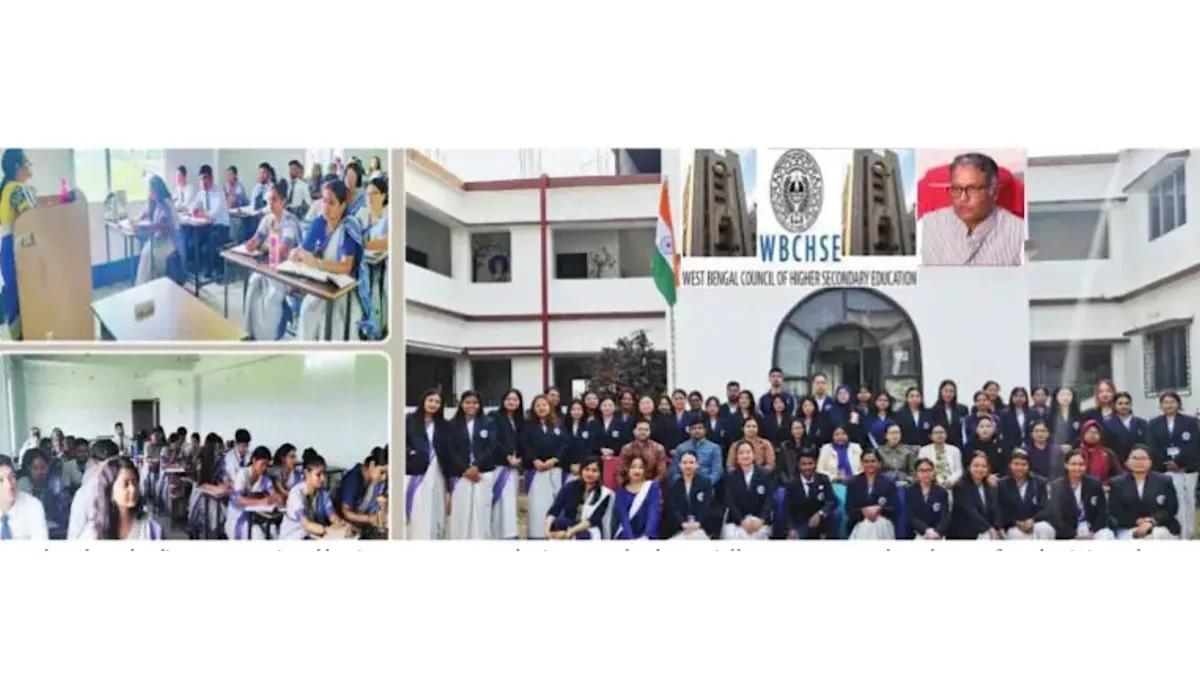
In May 1826, a seventeen-year-old youth, Henry Louis Vivian Derozio, joined the ten-year-old Hindu College as a teacher and revolutionised the character of the institution.