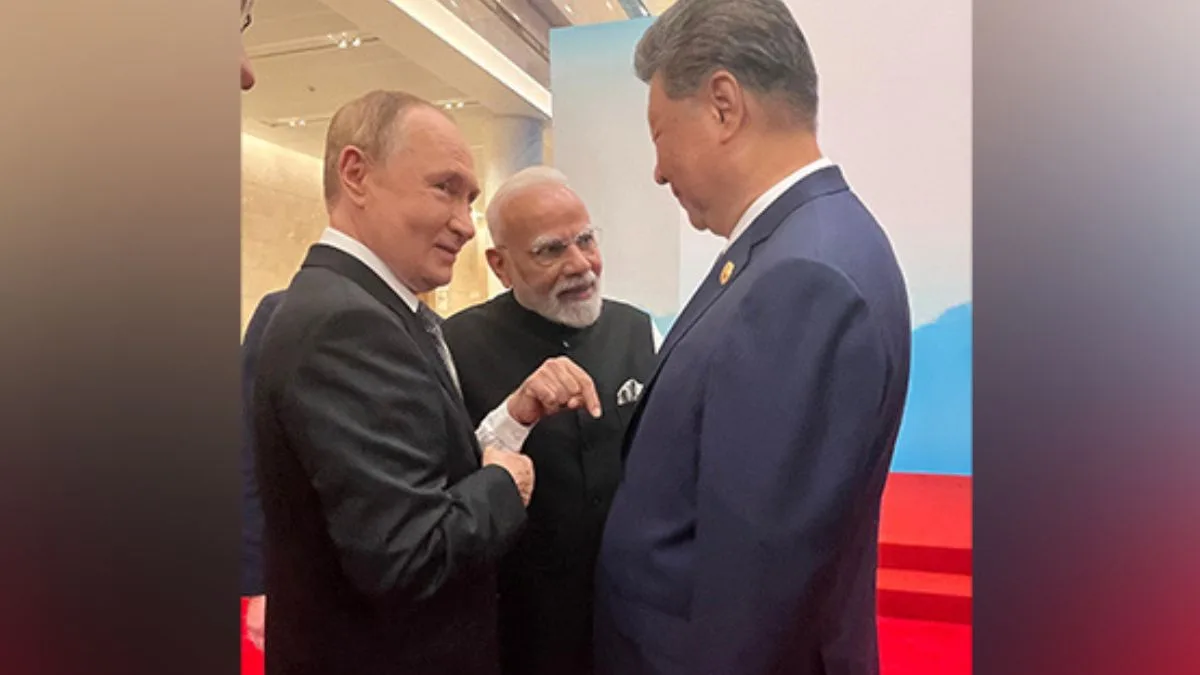
The past week has underscored the widening gulf between Western diplomacy and Moscow’s military calculus. In Beijing, Russian President Vladimir Putin suggested there was “light at the end of the tunnel” if Ukraine accepted his version of peace. Days later in Vladivostok, he erased any illusion of moderation by declaring that Western forces deployed in Ukraine would be “legitimate targets.” The shift from guarded openness to outright warning captures the strategic reality of this war: every initiative for security guarantees collides with Russia’s refusal to concede ground.
The Paris summit hosted by France marked the most ambitious allied move yet. Twenty-six nations pledged concrete security assurances for Ukraine, with promises of air, sea, and land deployments once a ceasefire takes hold. French President Emmanuel Macron framed it as the first credible shield to deter renewed aggression, while Ukrainian President Volodymyr Zelenskky hailed it as a step from rhetoric to action. For Kyiv, the reassurance force is more than symbolism – it is a signal that Ukraine will not be left alone in the vulnerable pause between war and peace.
Advertisement
Mr Putin’s rejection of this plan was swift and sweeping. By warning that even post-ceasefire troops would be targets, he effectively tried to nullify Western guarantees before they materialise. His stance is not just a dismissal of allied proposals; it is a bid to define the terms of any ceasefire in advance. Moscow’s message is simple: peace cannot come with foreign boots on Ukrainian soil, only with recognition of Russia’s conquests. This is where the divergence between Washington and Europe becomes sharper. American efforts have leaned on drawing Moscow into dialogue, hoping that talks could cap the conflict’s escalation.
Europe, by contrast, has shifted toward visible commitments to Ukraine’s defence ~ promising not just weapons but also the infrastructure of long-term security. That divergence allows the Kremlin to play one against the other, praising constructive US engagement while deriding European “provocation.” For Ukraine, the calculus is stark. A ceasefire without guarantees risks freezing the war in Russia’s favour. A ceasefire with guarantees, on the other hand, risks becoming a new flashpoint if Moscow treats foreign troops as targets. This is the essence of the stalemate: every path toward de-escalation carries the seeds of further escalation.
The danger now is that the pursuit of peace itself becomes weaponised. By turning security guarantees into contested ground, Russia ensures that even the architecture of a truce is unstable. Allies must decide whether to press ahead despite the threats, or to temper their pledges in the hope of keeping channels to Moscow open. Neither choice promises quick relief. What is clear is that the war is no longer just about territory. It is about who gets to define the conditions of security in Europe. And on that front, both sides are digging in as deeply as they are on the battlefield.