‘Total Silence on outrages’: Congress hits out at Centre over Gaza flotilla row as Ramesh flags Ben-Gvir video
The Congress party questioned the Centre's silence on Israel’s handling of activists aboard a Gaza-bound aid flotilla.
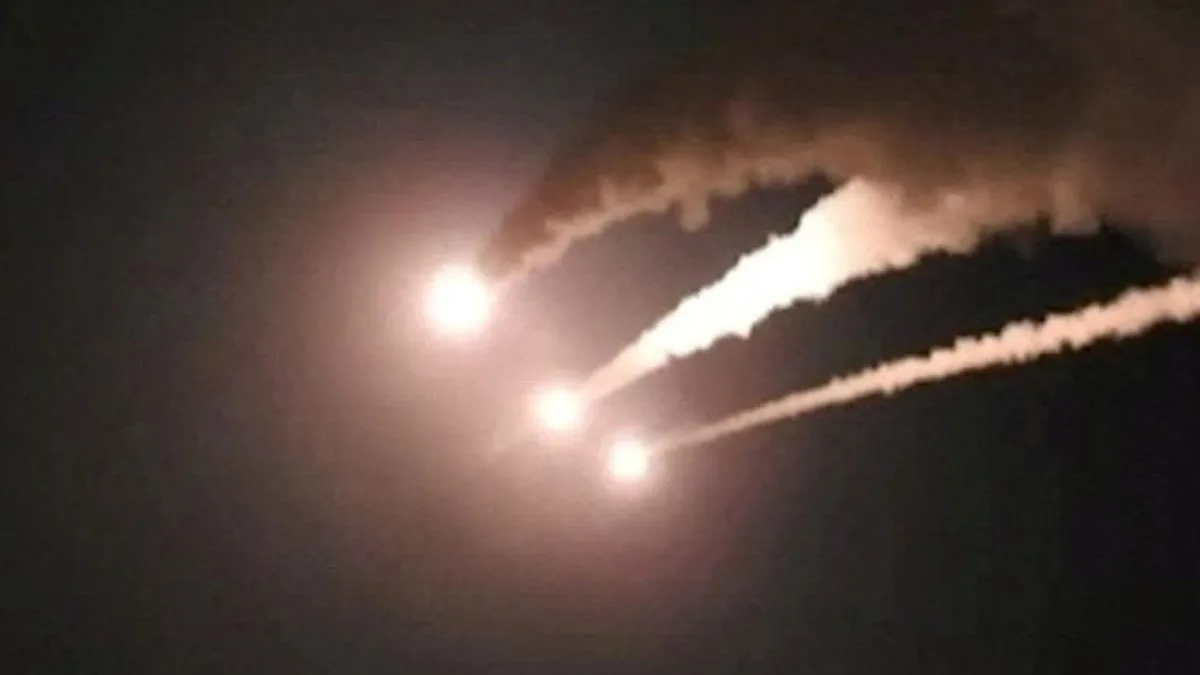
In the charred, crowded landscapes of Gaza, where drone shadows are more familiar than birds, the latest phase of Israel’s offensive has deepened an already staggering humanitarian catastrophe.





Gaza (Photo:UNICEF)
In the charred, crowded landscapes of Gaza, where drone shadows are more familiar than birds, the latest phase of Israel’s offensive has deepened an already staggering humanitarian catastrophe. What is unfolding is no longer merely a war between states or militias ~ it is a battle over the very definition of humanity and accountability in modern conflict. With the announcement of a proposed 60-day truce from Hamas, including the release of nine hostages in exchange for Palestinian prisoners and humanitarian relief, the contours of negotiation seem, once again, tenuously redrawn.
Yet this offer arises not from a place of mutual compromise, but under the weight of mass displacement, widespread malnutrition, and relentless aerial and ground bombardments. The ceasefire proposal is less a strategic recalibration and more a plea for oxygen amid suffocation. Israel’s response, or the calculated delay thereof, must be seen through a broader lens of military doctrine and political will. The stated goal remains the complete destruction of Hamas and the recovery of all hostages. But with thousands already dead, entire hospitals reduced to rubble, and aid convoys persistently blocked or delayed, the rhetoric of security begins to collapse under the weight of civilian suffering. The justification that Hamas embeds itself among civilians, while not without basis, cannot absolve the wholesale nature of this offensive.
Advertisement
A war against a militia cannot justify a war against a population. Precision in modern warfare should not only be about targeting but also about restraint, discernment, and proportionality. The suffering in Gaza is not collateral damage ~ it is the epicentre. Each civilian death erodes the moral claim of legitimacy, deepening a cycle that future generations will inherit in bitterness. Meanwhile, the international response oscillates between outrage and paralysis. Condemnations flow from podiums and press releases, yet meaningful pressure remains elusive. The blockade’s slow easing ~ allowing only “basic” food supplies ~ is a gesture too meagre to counteract the images of emaciated children and overwhelmed doctors. Aid workers and medics, exhausted and undernourished themselves, are keeping a crumbling health infrastructure barely alive. What remains deeply troubling is the emerging normalisation of atrocity.
Advertisement
As each new strike claims dozens of lives and as each day brings another makeshift graveyard, the world seems increasingly numbed. The erosion of empathy ~ strategically or psychologically ~ becomes a secondary casualty of this war. The time for principled diplomacy, however, is not yet past. Ceasefire negotiations must be met with urgency, not conditionality. Hostage releases and hu – manitarian access should not be bargaining chips; they are moral imperatives. Political leadership ~ on all sides and among global powers ~ must resist the logic of total victory and embrace the difficult terrain of coexistence. If there is any hope left for Gaza, it lies not in the ashes of military triumph but in the courageous pursuit of peace, however fragile or imperfect. Anything less will ensure that this war, like so many before it, will not end with silence, but with haunting echoes.
Advertisement