The Election Commission (ECI) has played a crucial role in institutionalizing democratic procedures in India and continues to enjoy public trust and respect. Even with its recent popularity, the ECI faces criticism from opposition parties regarding the revision of electoral rolls. However, it has been accused of being susceptible to EVM manipulation on numerous occasions. On 24 June, 2025, the ECI revealed plans for a Special Intensive Revision (SIR), which includes conducting door-to-door checks to update voter lists by removing those who are ineligible or deceased, relocated, and possibly ‘illegal migrant’ voters.
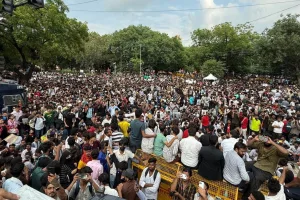
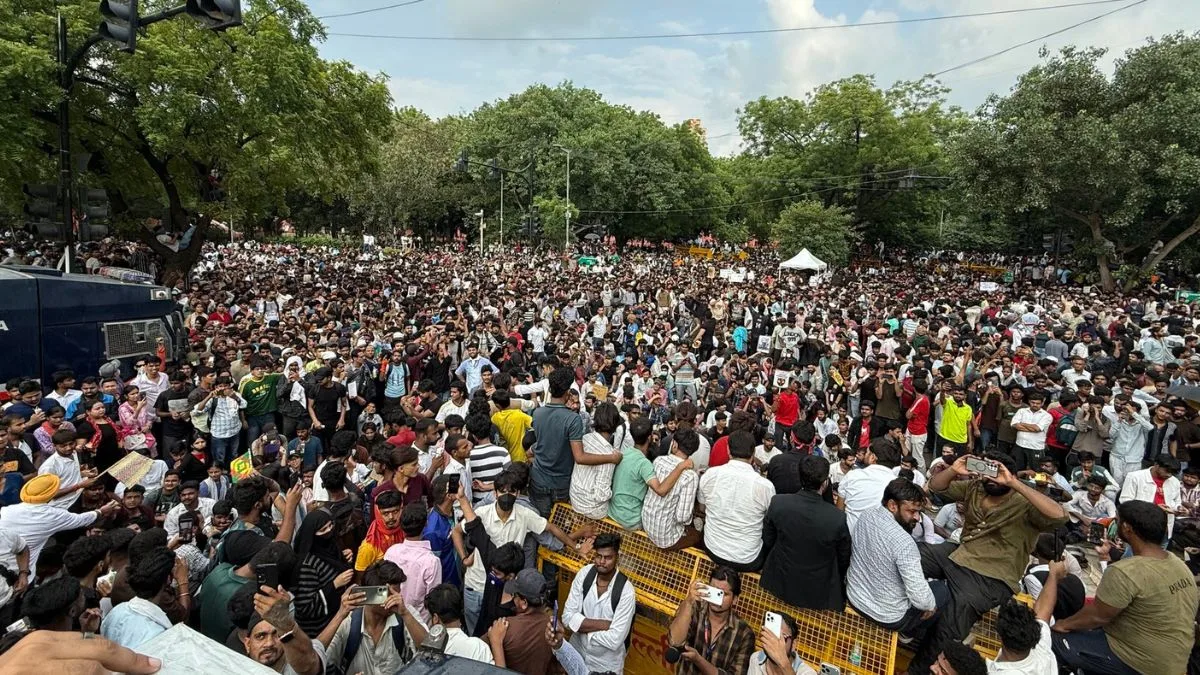
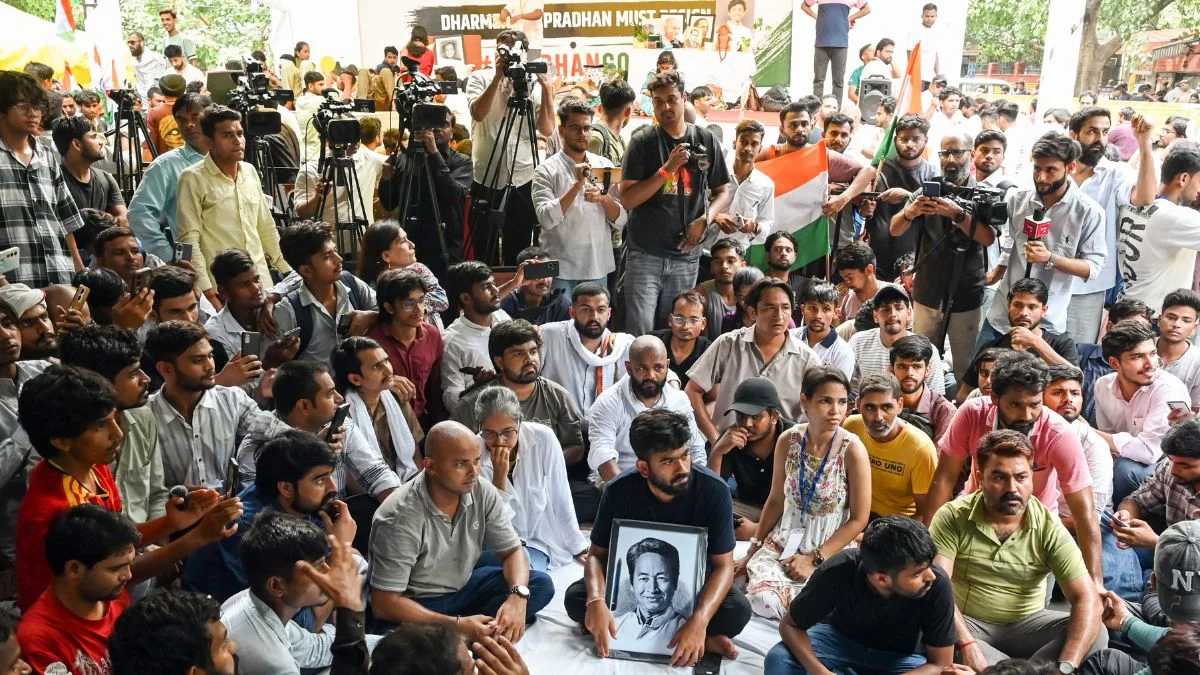
Bihar is the first testing ground for this SIR; nearly 6.6 per cent of voters’ names, totaling 65 lakh people, were struck off the electoral rolls. This omission opened the door to criticism, and Bihar’s opposition sought help from the Supreme Court , which dismissed the complaints, citing constitutional and legal reasons for the project. Opposition parties like RJD, TMC, Congress, and others took to the streets of Delhi to protest against the ‘allege d conspiracy of disenfranchising the poor, migrant, and marginalized people’ in connivance with the BJP. The conspiracy theory behind the ECI drive served as a unifying force for them, although they differ in the importance they attach to the issues.
Advertisement
The TMC has criticized a supposed hidden plan to bring in the NRC through voter list revisions, while the RJD fears that many legitimate voters from disadvantaged and migrant groups could lose their right to vote. Some state government employees in Bihar and West Bengal faced punitive action for dereliction of their official responsibilities, drawing criticism from the political establishment. The rhetorical refusal by the state government to act against the deputed officials for dereliction of responsibility prompted the ECI to take a proactive stance. The opposition’s wrath over the SIR necessitates an examination of the issue through the lens of constitutional provisions. The mere conduct of elections does not amount to democracy; it requires transparency and fairness of the entire electoral process. Although the Constituent Assembly firmly upholds the principle of universal adult franchise, the institutional mechanism for conducting free and fair elections was the pivotal issue. The Assembly rejected the imperial practice of entrusting elections to the central executive because such an arrangement would carry high risk of manipulation and undermine the democratic ethos and integrity of the election.
An autonomous constitutional body, the Election Commission of India, was created to conduct elections to the offices of President , Vice President , members of Parliament, and the State Legislatures. Article 324 explicitly vests the superintendence, direction, and control of elections in the Election Commission (ECI), while Article 326 grants the right to vote to every citizen of India. The Representation of the People Act (RPA) in 1950 and 1951 laid down detailed provisions for the smooth conduct of elections. RPA essentially deals with the preparation of electoral rolls and the delimitation of constituencies for the Lok Sabha and State Assemblies. Article 15 of the RPA empowers the Commission to prepare an electoral roll for each constituency.
In contrast, Article 16 provides for striking off names on three grounds: non-citizenship, unsoundness of mind as declared by a competent court, and disqualification from voting under electoral laws. The Commission can initiate revisions of electoral rolls, including special revisions, at any time. While such revisions typically occur before elections, the Commission, under Section 21(3) of the Act, is empowered to conduct special drives for this purpose whenever it deems necessary. Historical evidence suggests that officials have revised electoral rolls since the 1960s, and Andhra Pradesh provides a striking example: in 2004, authorities deleted 93.42 lakh voters, citing various reasons.
Under the RPA 1950, the Election Commission requisitions the services of government officials for electoral duties; such officials, once deputed, function under the control, supervision, and discipline of the Commission (article 13CC). Moreover, Article 32(1) categorically provides for penal action in the event of negligence or misconduct in the discharge of responsibility by the concerned officials. On several occasions during or before the election, the ECI took penal measures against the alleged misconduct or negligence of duty. Even if the MCC (Model Code of Conduct) is not active, the law says the Election Commission can still act against officials who shirk their electoral duties, despite questions raised about suspending them.
The EC can take action against any official who is negligent in her or his electoral duties. Amidst denials and controversy, the Chief Secretary of West Bengal recently updated the ECI on the actions taken by the government against officials the Commission wants to take action against. Officials play a crucial role in the democratic process when they prepare the list of eligible voters, and by doing it carefully, they win half the battle. Usually, the ECI revises the electoral rolls before any election; however, the RPI Acts mandate undertaking a special drive in this direction. Opposition parties act understandably, as their hopes of returning to power after two consecutive defeats at the Centre have not materialized.
The frustration of Congress is reflected visibly in the statements and behavior of the top brass, while the ruling parties in different states want to utilize the controversy to regain lost ground or strengthen their constituencies. The non-BJP state governments allege that the ECI works at the behest of the Central government to disenfranchise potential voters. Amidst the ongoing mudslinging, the ECI has found itself in a catch-22 position while revising electoral rolls. The pertinent issue that haunts Indian citizens is the requirement to collect and preserve valid documents, which has silently crept into the public psyche, fostering fears of loss of citizenship and possible deportation.
The ECI was directed by the apex court to expand the list of required documents and to publish the details of deleted voters in Bihar, along with the reasons for their deletion. Its recent compliance with these directives reflects its discomfort. The SIR offers the opposition parties a golden opportunity to regain their credibility. At the same time, the ECI must adopt credible initiatives to preserve its public trust. Fairness, integrity, and independence from external pressures are the hallmarks of the institution, which have helped it earn public trust and respect. Safeguarding this reputation requires prompt, well-articulated, and appropriate measures, which are the need of the hour.
(The writers are, respectively, a teacher of Political Science at Chandidas Mahavidyalaya and a Research Scholar at Burdwan University.)