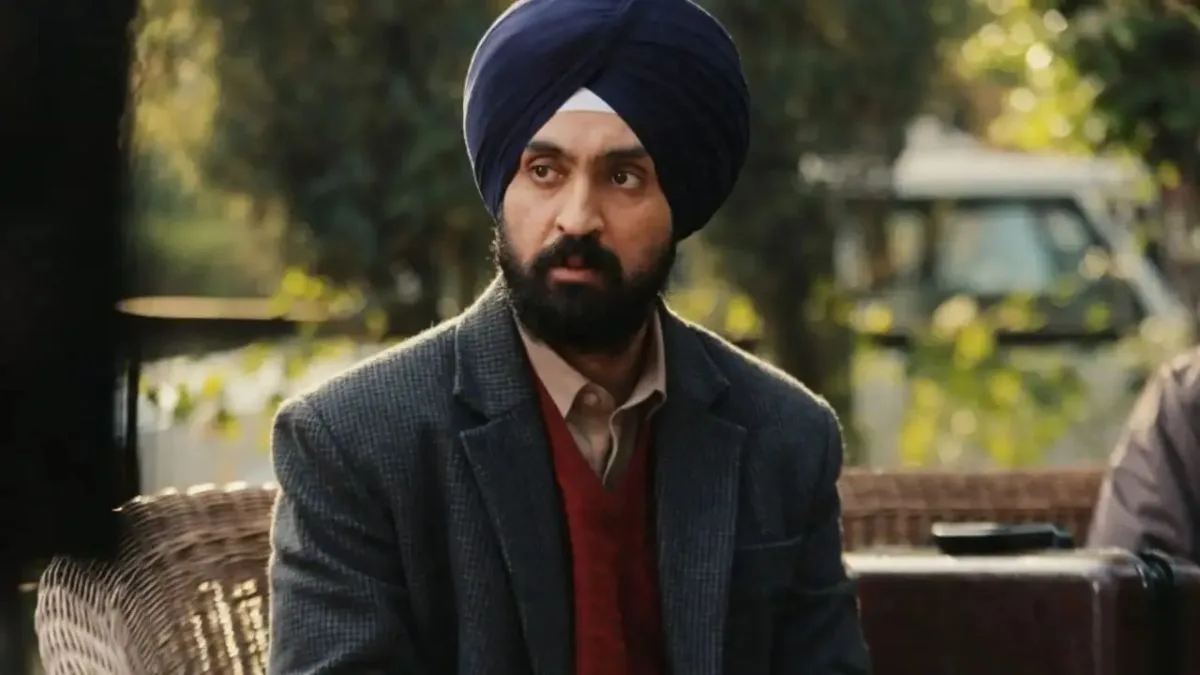
Tamil Nadu has not merely elected a new chief minister. It has broken a political structure that appeared immovable for nearly six decades. The swearing-in of film star C. Joseph Vijay as chief minister marks the first time since 1967 that power in the state has shifted outside the DMK-AIADMK axis. That matters far beyond celebrity politics. Actor-politicians are not new to Tamil Nadu. What is new is the sharp drop of public confidence in both pillars of the Dravidian establishment at the same moment.
For years, Tamil Nadu politics operated like a closed system. One Dravidian party weakened, the other inherited power. Voters could punish governments, but not the political architecture itself. This election changed that pattern. Mr Vijay did not rise because Tamil Nadu suddenly abandoned Dravidian identity. He rose because millions of voters concluded that the existing custodians of that identity had exhausted themselves. The DMK suffered from incumbency, fatigue, and the burden of dynastic continuity. The AIADMK, after Jayalalithaa’s death, increasingly looked like a party surviving on memory rather than direction. Into that vacuum stepped a younger figure with mass recognition, emotional connection, and no administrative baggage.
Advertisement
Yet the most revealing part of this transition was not the election result. It was the hesitation that followed it. The Governor’s reluctance to move quickly despite Mr Vijay emerging as the clear claimant exposed a recurring weakness in India’s federal system. Constitutional conventions increasingly bend according to political circumstance. Across several states in recent years, Raj Bhavans have transformed from ceremonial institutions into active sites of political negotiation. Tamil Nadu became another example of how discretionary powers can be stretched to delay outcomes without formally rejecting them. The irony is that there was no viable alternative formation waiting in the wings. The BJP lacks meaningful legislative presence in Tamil Nadu.
The speculation about improbable combinations ~ DMK and AIADMK ~ reflected less a genuine arithmetic possibility than discomfort with the arrival of a new political force outside established networks. But the delay also revealed something else: fear. Not fear of instability alone, but fear that Mr Vijay may not be a temporary phenomenon. Tamil Nadu’s older parties understand that if he survives a full term, the state’s political vocabulary could permanently change. A generation raised on digital mobilisation, personality-driven politics and welfare expectations may no longer return automatically to traditional Dravidian loyalties.
That is why Mr Vijay’s challenge begins now, not at the oath ceremony. His government rests on a narrow coalition stitched together more by necessity than ideological coherence. Allies who helped him cross the majority mark can also destabilise him. His manifesto promises expansive welfare spending, jobs, subsidies, and technological transformation simultaneously. Delivering even part of that agenda will test both state finances and administrative capacity. Tamil Nadu has chosen disruption over continuity. Whether that disruption becomes renewal or chaos depends on whether Mr Vijay can evolve from mass icon to durable political institution