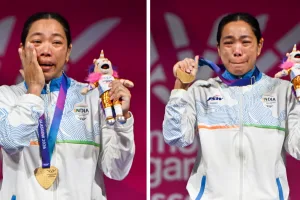
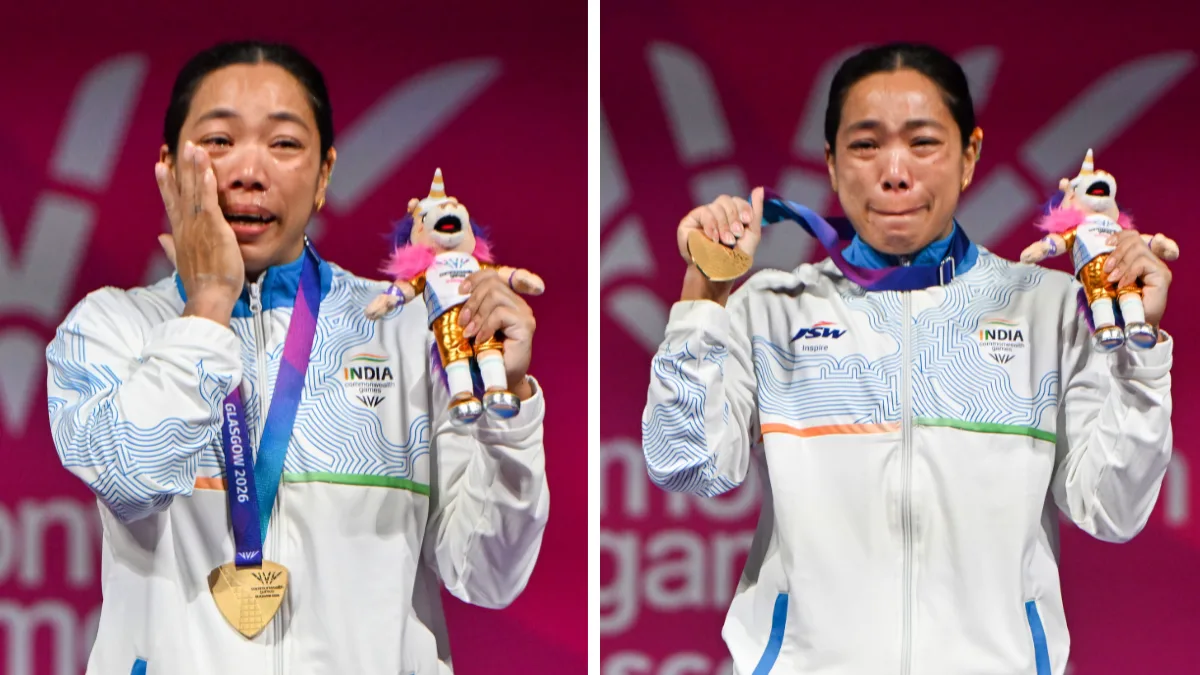
India’s most recognisable faces are discovering that stardom, once a source of effortless influence, now demands a new kind of vigilance. The rise of artificial intelligence has made it alarmingly easy to copy a voice, fabricate a video or splice a photograph into a persuasive but false reality. For public figures whose identities are their currency, the threat is not merely reputational ~ it is existential. At the heart of this battle lies the concept of personality rights.
These rights recognise an individual’s exclusive claim over their name, image, voice and distinctive gestures or catchphrases. They allow a person to decide when and how their persona may be used for commercial gain. In practice, that means a brand can hire a star for an endorsement, but no one can legally paste the star’s face on a product or create a fake video without consent. The principle is straightforward; the enforcement is anything but. Unlike jurisdictions such as California or Germany, India has no statute devoted to personality rights. Courts rely on a patchwork of privacy, copyright and trademark provisions, building precedent case by case. This common-law flexibility allows judges to improvise when new technology creates new harms.
Advertisement
Yet it also leaves dangerous gaps. A celebrity can usually secure an injunction to take down an offending video or product, but damages are harder to obtain and posthumous protection is virtually absent. Rapid advances in generative AI mean a convincing deep-fake can be created in minutes, leaving victims scrambling for legal recourse. The right is treated as an extension of privacy, which Indian jurisprudence holds to die with the individual. Such limitations feel outdated in an era when digital manipulation can survive indefinitely online. The case of deceased actors whose likenesses are repurposed without family consent highlights the inadequacy of a right that expires with death.
By contrast, some American states treat publicity rights as inheritable property, enabling estates to control and monetize a celebrity’s image for decades. Codifying a statutory right would not be a panacea ~ laws inevitably lag behind technological change ~ but it would create clearer boundaries and stronger deterrents. Explicit provisions for compensation, quicker takedown mechanisms and posthumous rights could help balance freedom of expression with the fundamental right to protect one’s identity. Still, legislation alone cannot solve the problem.
Awareness and vigilance are equally critical. Celebrities, their representatives and ordinary citizens alike must learn to monitor the misuse of their digital likenesses and act swiftly. Platforms that profit from viral content must also bear greater responsibility for detecting and removing deep-fakes before they spread. India’s creative economy thrives on the power of personality. Protecting that power is no longer just about safeguarding fame; it is about defending individual autonomy in a world where algorithms can mimic humanity with chilling precision. The law must catch up, and so must our collective resolve to value authenticity over illusion.