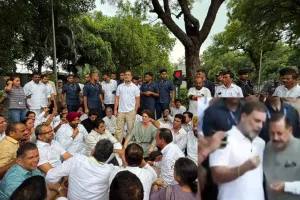
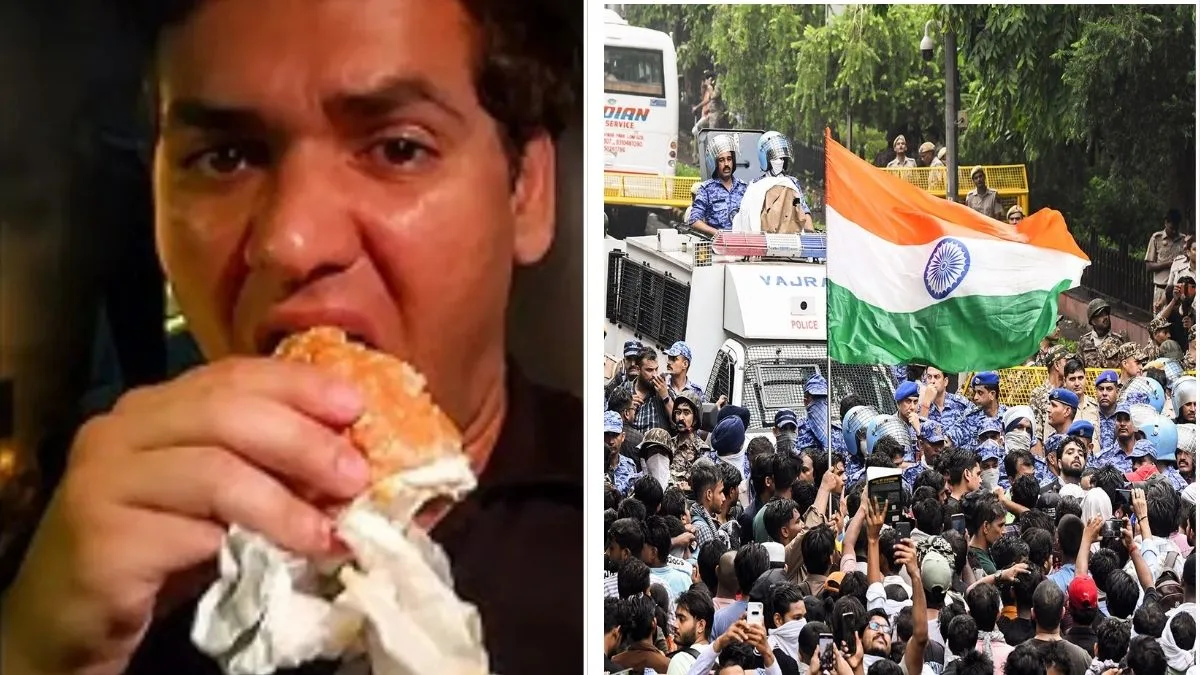
The weekend protest near India Gate was a rare sight in Delhi ~ citizens braving the city’s toxic haze to demand clean air. It was not a political rally nor a populist show of strength. It was an act of desperation. When hundreds of men, women and children assemble wearing masks and carrying banners that read “Right to live, not just survive,” it signals a collective breaking point. Delhi’s air has become unbreathable, and the city’s residents have begun to realise that silence equals complicity.
The protest, though peaceful, struck a deeper chord. For years, Delhiites have lived with air quality levels that would trigger public health emergencies elsewhere in the world. The Air Quality Index crossing 400 – categorised as “severe” ~ has become almost routine every winter. The causes are well known: vehicular emissions, dust, construction debris, industrial fumes, and the seasonal stubble burning in neighbouring states. Yet, despite annual headlines and political finger-pointing, the situation remains unchanged. At the heart of the crisis lies not ignorance but inertia.
Advertisement
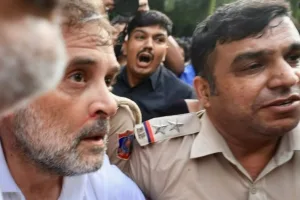
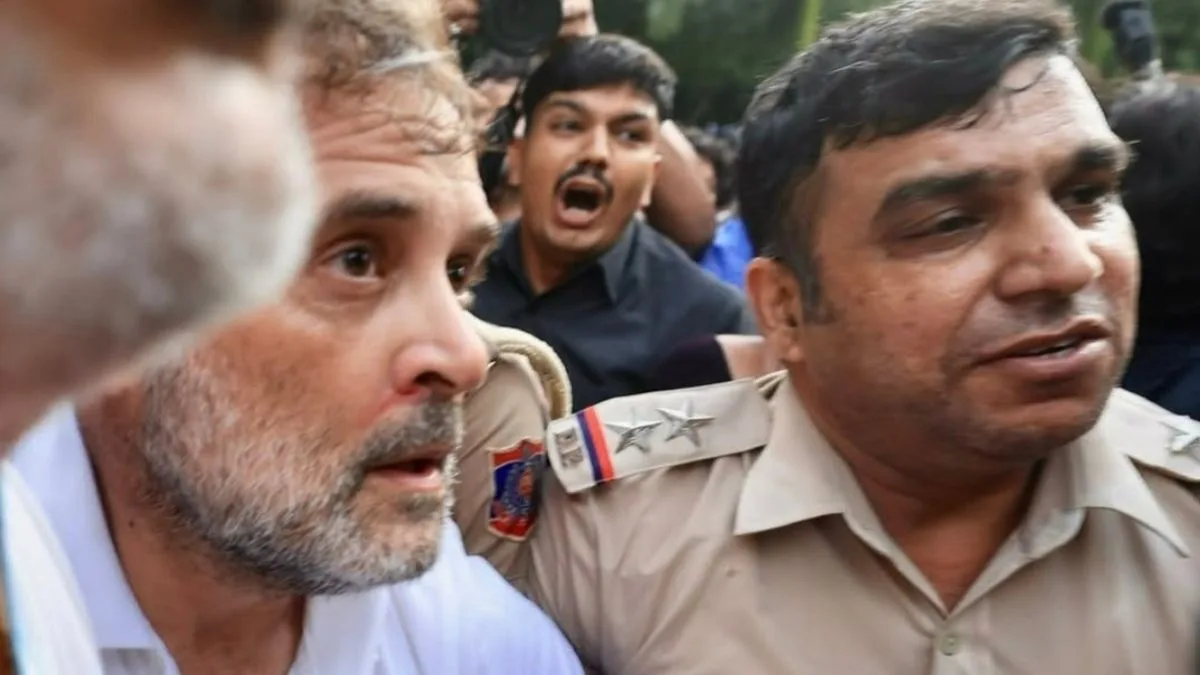
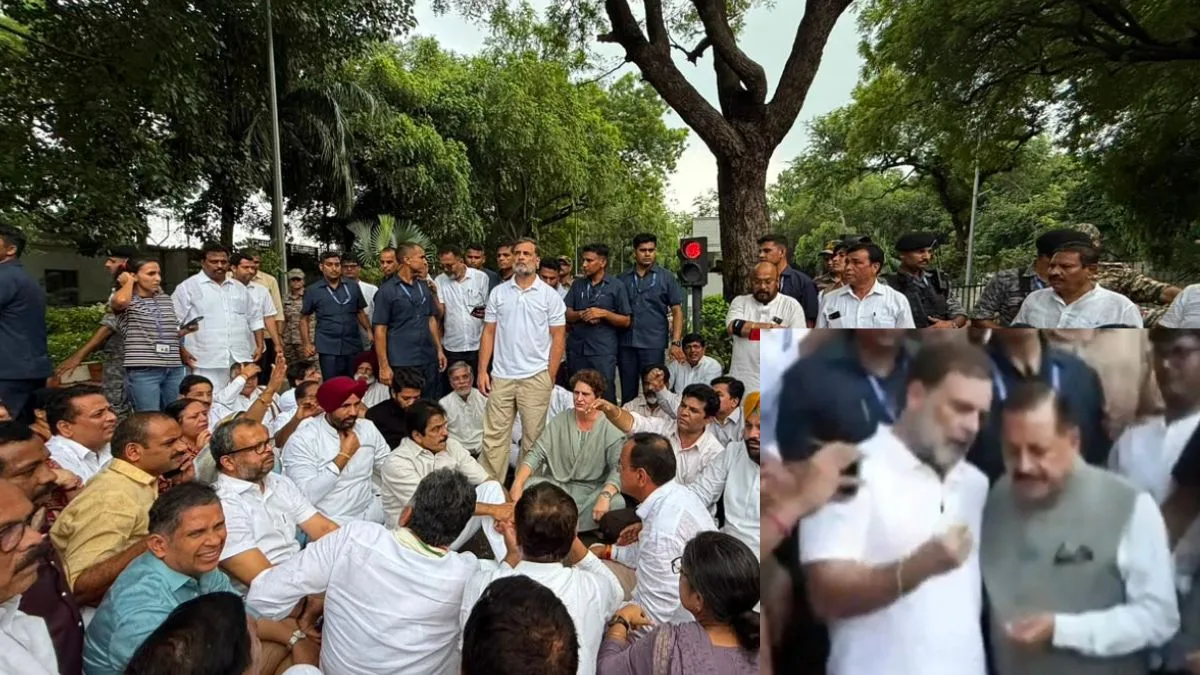
The Graded Response Action Plan (GRAP) was designed as a scientific roadmap for phased interventions. However, it has been implemented half-heartedly. Authorities have hesitated to invoke the stricter stages that could genuinely bring relief – such as halting construction or restricting diesel vehicles ~ fearing disruption and political backlash. Instead, cosmetic measures like water sprinkling, “anti-smog guns” and cloud seeding are flaunted as progress. The truth is that these measures treat symptoms, not causes, if even that. The brief detention of protesters revealed another uncomfortable truth. Citizens demanding clean air were told they had no permission to assemble at India Gate, a “high-security area.”
This bureaucratic response reflects the deeper malaise of governance ~ an unwillingness to engage with civic concerns unless they fit within controlled, manageable narratives. When environmental activism is treated as inconvenience rather than participation, the state’s moral credibility suffers. Delhi’s pollution is not an urban inconvenience; it is a public health emergency. Studies show that prolonged exposure to such air can reduce life expectancy by nearly a decade. For parents protesting on Sunday, the crisis is personal ~ it is about their children’s right to grow up breathing safely. The government’s reluctance to acknowledge this as a humanitarian issue, not merely an environmental one, betrays a troubling indifference.
The right to breathe clean air should not be reduced to an annual debate; it is a fundamental right under siege. If India’s capital continues to choke each winter, it will not only expose policy failure but also moral bankruptcy. Civic patience is thinning, and the air is thickening. The protesters near India Gate may have dispersed, but their message lingers: Delhi’s citizens no longer seek cleaner air as a privilege, they demand it as a birthright. And fatuous excuses such as the one offered, that the present dispensation has been in office for only a few months, will not cut ice.