Buying time
The US Federal Reserve’s decision to hold interest rates steady is less a mark of confidence than an admission of constraint.
The annual Jackson Hole gathering of central bankers has often served as a stage for policy signals with global reverberations.




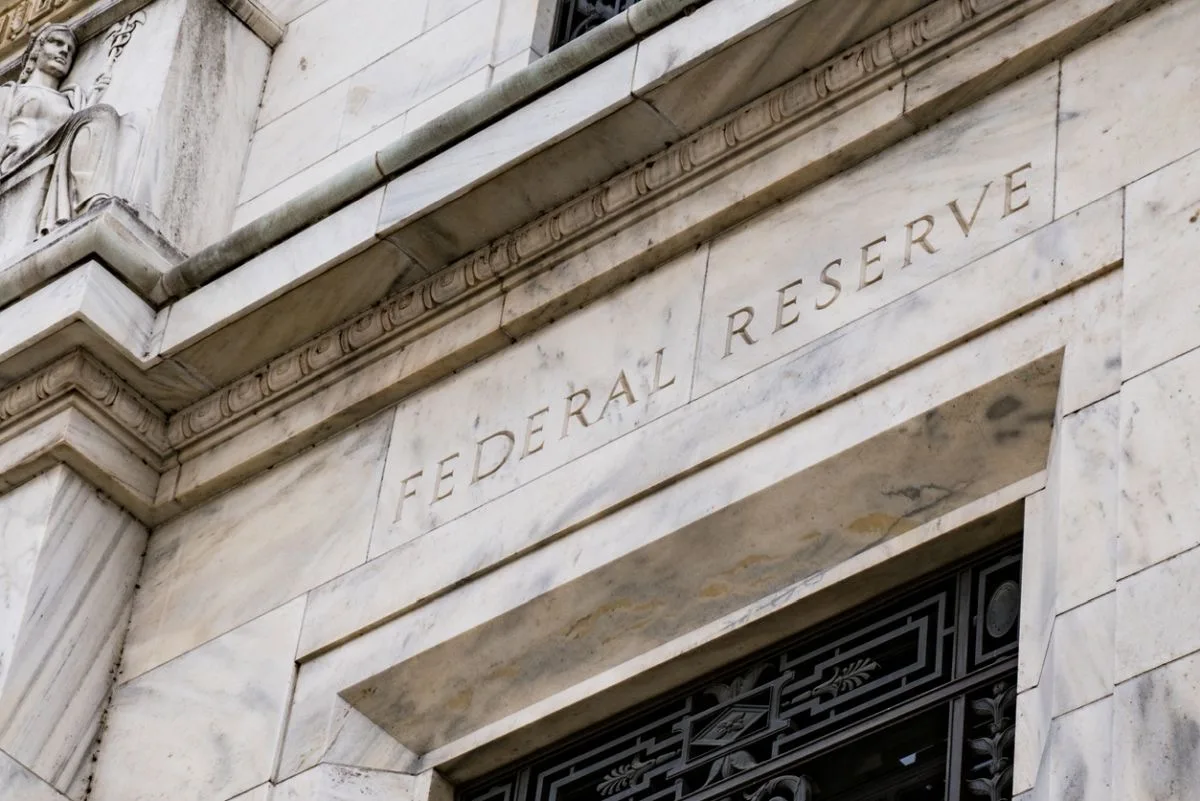
US Federal Reserve
The annual Jackson Hole gathering of central bankers has often served as a stage for policy signals with global reverberations. This year, the spotlight fell firmly on US Federal Reserve Chair Jerome Powell, whose comments marked a subtle but significant shift in tone. Markets, long hoping for relief from restrictive interest rates, read his speech as confirmation that a September rate cut is now more likely than not.
Yet behind this dovish turn lies a complex balancing act that reveals as much about politics as it does about economics. Mr Powell’s message was carefully crafted. He acknowledged that tariffs have driven consumer prices higher, a reality that households can see on store shelves. But he also argued that the inflationary effect is probably temporary, a one-time adjustment rather than the start of a wage-price spiral. This framing matters. If the Fed believes tariff-driven inflation is short-lived, it frees policymakers to focus on the weakening jobs market without appearing reckless on prices. It also reassures investors that monetary easing will not simply fuel runaway costs. Still, the Fed is caught in a delicate bind.
Advertisement
Cutting rates too quickly risks undermining its credibility as an inflation fighter. Waiting too long, however, risks stalling a labour market already showing signs of stress. Mr Powell hinted at this trade-off when he described the “tilt” of risks ~ upside inflation against downside employment. His assessment suggested that the scales are beginning to tip toward growth concerns, but he left ample room for manoeuvre, warning that no decision is locked in. The political backdrop adds another layer of tension. For months, the White House has subjected the Fed to an unusual an unseemly public barrage of criticism. The pressure has been personal, sometimes insulting, and even accompanied by threats of dismissal. Such attacks are unprecedented in modern US economic governance.
Advertisement
Mr Powell’s insistence that decisions will rest solely on incoming data was not just a nod to technocratic discipline; it was a defence of central bank independence at a moment when that principle is visibly under strain. Markets welcomed Mr Powell’s openness to easing, sending share prices higher in immediate response. But the exuberance may obscure the caution still embedded in his stance. A strong August jobs report or an unexpected surge in prices could yet delay action. By presenting the possibility of a rate cut as data-dependent rather than inevitable, Mr Powell has retained strategic flexibility.
The broader lesson is that monetary policy in the world’s largest economy remains a careful exercise in balance: between inflation and growth, between markets and households, and between independence and political interference. September may bring a cut, but the deeper story is the Fed’s effort to chart its own course under extraordinary pressure from the Trump administration. Mr Powell’s speech was less a surrender to politics than a reminder that central banking, at its best, is the art of measured judgement.
Advertisement